Motherhood should not be a risk. Yet in many parts of the world, giving birth remains an experience marked by uncertainty. Global maternal health continues to be an urgent challenge, where factors such as poverty, distance, or lack of medical care determine who survives and who does not.
The Risks and Inequalities in Global Maternal Health
While motherhood is a time of life and hope, millions of women face preventable risks.

Global maternal health is still shaped by structural inequalities and precarious conditions, which vary by country, community, and access to services.
According to the World Health Organization, around 800 women die every day from pregnancy- or childbirth-related complications. Most of these deaths are preventable with timely medical care, access to resources, and reproductive health education.
Several factors perpetuate this crisis, including distance to health centers, lack of safe transportation, shortage of trained healthcare personnel, and economic and social inequalities—including structural discrimination in developed countries and lack of information and community support.
Let’s be honest: most maternal deaths are preventable with timely management by a skilled health professional working in a supportive environment.
At the same time, simply surviving pregnancy and childbirth can never be the sole marker of successful maternal care. It is critical to expand efforts to reduce maternal injury and disability, promoting health and well-being.
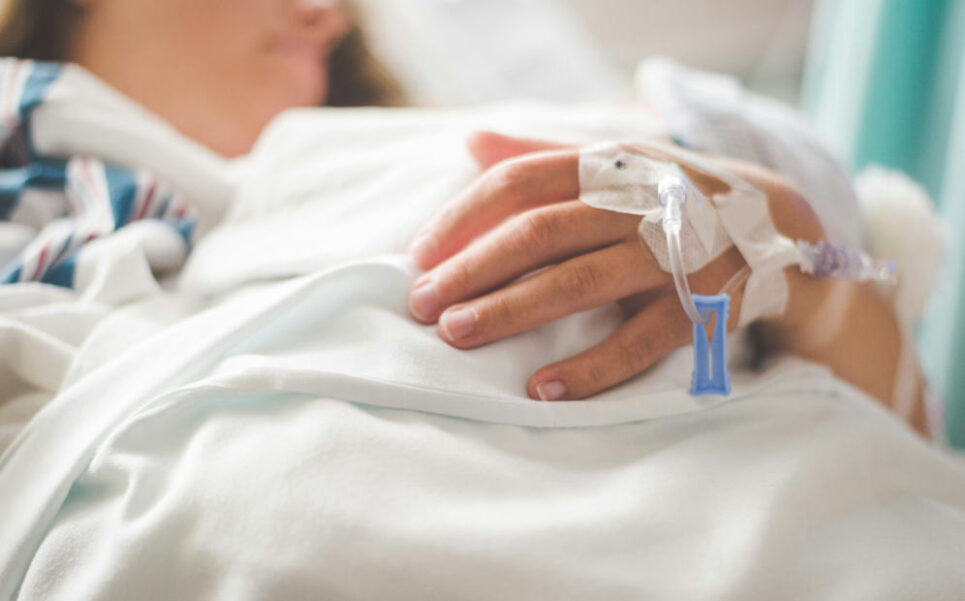
Maternal mortality is not an isolated problem but a reflection of global inequity. In rural communities, each birth can be a life-threatening event; in urban areas, economic and cultural barriers continue to affect outcomes.
Understanding the scope of the issue highlights the importance of initiatives like Every Mother Counts, which aim to transform global maternal health through local solutions, education, and sustained action.
The Origin
Every organization has a starting point. In this case, it arose from a personal experience that became a global action.

Every Mother Counts was founded in 2010 by Christy Turlington Burns after experiencing complications during the birth of her daughter.
Although she had access to quality medical care, she realized that millions of women do not have the same opportunity.
This experience left a mark. It led her to research global maternal health and produce the documentary No Woman, No Cry, exploring stories from countries like Tanzania, Bangladesh, and the United States. This project marked the beginning of an organization focused on visibility and action.
From the outset, the mission has been clear: ensure that every pregnancy and birth is safe, regardless of context. What began as a personal experience transformed into a global movement, connecting individual stories to a collective cause.
The Ethics Behind Global Maternal Health
Beyond its projects, the work of Every Mother Counts is grounded in a clear ethical foundation. Its actions respond not only to urgent needs but also to principles that guide every decision and collaboration.
The idea of progress runs throughout the entire organization. There is a constant conviction that global maternal health can improve, even in the face of persistent statistics. This vision drives an ongoing search for more effective solutions, adapted to diverse contexts.
Justice holds a central place. Access to quality maternal care is not understood as a privilege, but as a right.
For this reason, the work focuses on eliminating structural barriers that limit access to safe, respectful, and culturally appropriate services during pregnancy, childbirth, and postpartum.
This vision is accompanied by strong determination. Although most maternal deaths are preventable, they continue to occur.
In response to this reality, the organization acts with persistence, maintaining its commitment even when progress is slow.
Respect also defines every intervention. Women’s autonomy over their bodies and decisions is recognized, and their needs are placed at the center of every action.
Likewise, local organizations are not seen as beneficiaries, but as leaders with deep knowledge of their communities.
This relationship is strengthened through solidarity. Every Mother Counts works as an ally to local networks, supporting and amplifying their solutions rather than replacing them. This approach allows for the development of more effective and sustainable responses.
Finally, sustainability runs through the entire strategy. The goal is not isolated interventions, but to generate lasting changes in health systems.
Global maternal health is understood as a long-term commitment whose effects will impact future generations.
These values are not an addition to the work, but its foundation. Thanks to them, global maternal health is addressed not only as a technical challenge, but as a deeply human and transformative cause.
How They Work
The organization’s impact is not based on isolated interventions, but on a network of collaboration that prioritizes sustainable solutions.
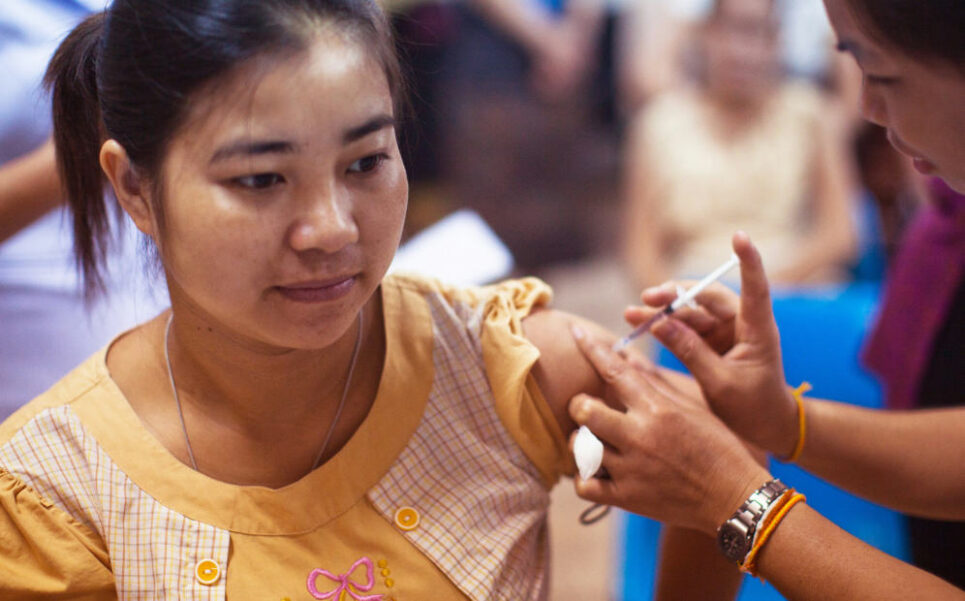
Every Mother Counts works by funding local organizations that understand the specific needs of each community.

Instead of imposing external models, it supports existing initiatives, strengthening their reach.
Its approach focuses on three key areas: access to medical care, safe transportation, and maternal health education.
This includes everything from training midwives to improving clinical infrastructure.
Additionally, the organization drives global awareness campaigns and raises funds through events, collaborations, and audiovisual content.
Volunteers, healthcare professionals, activists, and local communities actively participate in this process.
This model demonstrates that global maternal health can be effectively addressed when working locally with a global vision.
Territories in Action: Global Maternal Health in Diverse Contexts
Global maternal health does not manifest in the same way everywhere. Each context presents specific challenges, from lack of infrastructure to structural inequalities within advanced systems.
For this reason, the work of Every Mother Counts adapts to local realities, supporting solutions designed by the communities themselves.
In Tanzania, distance represents one of the main barriers. Many women live hours away from a health center, turning childbirth into a constant risk.
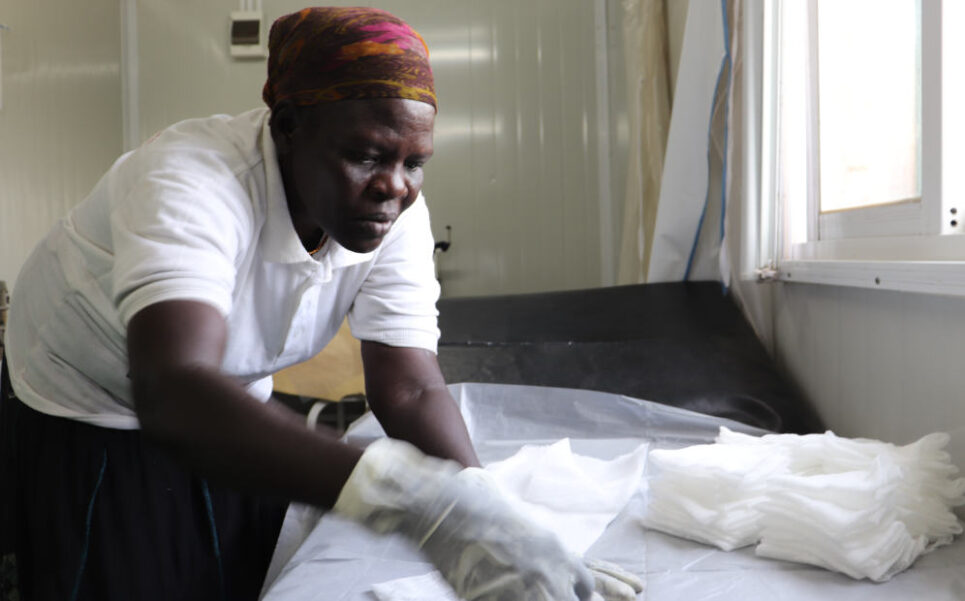
To respond to this situation, the organization has funded community transportation programs, including motorcycles and local ambulances. These initiatives reduce travel times and improve the chances of timely care.
In Bangladesh, the challenge centers on access to information and support. Through the training of midwives and community health workers, support networks are built within communities.
These women accompany pregnancies, identify risks, and facilitate access to medical care when necessary. Knowledge thus becomes a key tool for prevention.
In the United States, the challenge takes another form. Despite having an advanced healthcare system, maternal mortality rates remain high, especially among African American women.
Factors such as structural racism and inequality in access to services directly affect outcomes.
In this context, Every Mother Counts supports accompaniment programs with doulas and community networks that strengthen access to more equitable and respectful care.
These three scenarios show that global maternal health does not respond to a single cause. It is a complex reality that requires multiple solutions adapted to each environment.
Observing these territories together helps to understand that change does not depend on a single strategy. Global maternal health improves when solutions emerge from context, are sustained by communities, and respond to real needs.
Who Participates: A Diverse Network for Global Maternal Health
The organization’s impact depends on the people who support and drive it.
Every Mother Counts brings together healthcare professionals, activists, volunteers, and local communities.
It also collaborates with governments, institutions, and other international organizations.
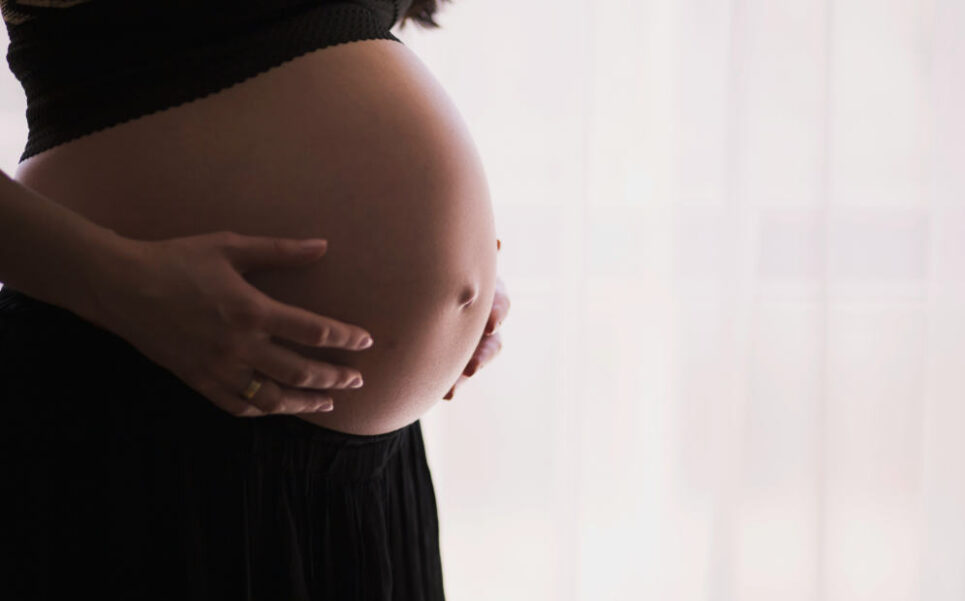
Midwives, doctors, and health promoters are key to the daily work.
At the same time, beneficiary women are not only recipients but active participants in the transformation of their communities.
The organization also involves public figures and media outlets to amplify the message and generate global impact.
Global maternal health is built collectively. Every actor, from local to international, plays an essential role.
Measuring impact is fundamental to understanding the scope of any social initiative.
Since its founding, Every Mother Counts has funded multiple projects in different countries, improving access to maternal health services for thousands of women.
Among its achievements are the expansion of transportation programs, the training of healthcare personnel, and the strengthening of medical infrastructure.
Additionally, it has contributed to positioning global maternal health as a priority issue on the international agenda.
Its campaigns have generated global awareness, mobilizing resources and attention toward an issue that remained invisible for a long time.
These advances show that change is possible. Global maternal health improves when direct action is combined with visibility.
In Conclusion
Global maternal health remains a challenge but also an opportunity to transform systems and communities. Every Mother Counts shows that change begins when we listen, act, and collaborate.
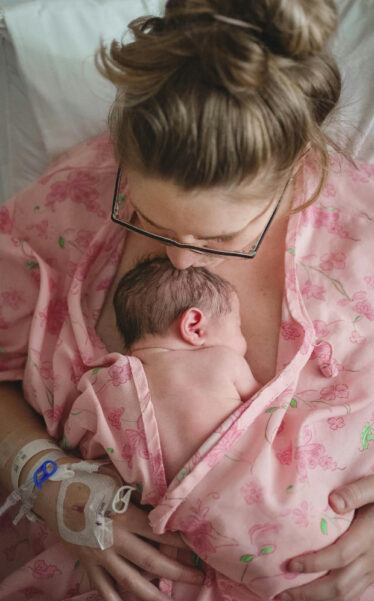
In this context, Every Mother Counts emerges as a concrete response to unequal realities. Its work goes beyond advocacy: it acts directly in communities, funds local solutions, and brings attention to stories that rarely make headlines.
Every project, every story, and every life saved reflects the impact of a committed effort toward equity. Ensuring safe childbirth should not be a privilege but a right. Everywhere in the world, every mother counts.
Ending preventable maternal deaths must remain at the top of the global agenda.
Every pregnancy and birth is unique. Addressing inequalities that affect health outcomes—particularly regarding sexual and reproductive rights and gender—is essential to ensure all women have access to respectful, high-quality maternal care.