Imagine a city where every cobblestone street seems to whisper centuries of history. A historical journey to Krakow is not just a concept, but a living experience that awakens all the senses. From the aroma of freshly baked bread to the murmur of the Vistula River and the tinkling of the bells, the city invites you to explore it with calm and curiosity.
The Origins of Krakow
Before getting lost in squares and alleys, it is worth pausing to understand where we are. Kraków is not just a beautiful city; it is one of the oldest and most influential cities in Poland, built on the banks of the Vistula and currently home to more than 700,000 people.
But its history begins long before the maps.

The first human traces date back to the Stone Age, on Wawel Hill. There, between legend and reality, one of the city’s most famous tales began: that of the dragon who lived in a cave beneath the castle. They say no knight managed to defeat it, until a shoemaker, with more cleverness than strength, defeated it using a sheep filled with sulfur.
It may sound like a fairy tale, but in Krakow, these stories feel strangely close. As if they still linger in the air.
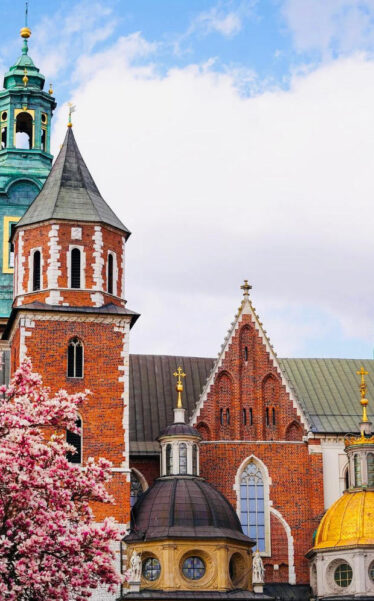
Over the centuries, the city became a key political, cultural, and economic center. It was the capital of Poland for more than five hundred years, until in 1596 the royal court moved to Warsaw. Yet, for many Poles, Krakow remains the true heart of the country.
That character is felt while walking. You don’t need to know every date or name to feel that this place has been important. And it has been.
During the Middle Ages, especially under the reign of Casimir III the Great, the city flourished.
In 1364, the University of Krakow was founded, one of the oldest in Europe, and trade, art, and thought began to define its identity.
But the splendor was not eternal.
Krakow between splendor and resistance
As you move through the city, you begin to notice that its beauty has another layer. A more complex one. A harder one.
Kraków experienced invasions, occupations, and partitions. The Czechs, the Swedes, the Prussians, the Austrians, and the Russians controlled it. As a result, Poland disappeared from the map for over a century after the partitions of the 18th century, and the city was trapped in that void.
However, it never ceased to be a symbol. For a brief period, it became the Free City of Krakow, a small independent territory that nurtured the Polish national spirit. It was a place of ideas, culture, and silent resistance.
That same spirit, in fact, remained during the 20th century.
After regaining independence in 1918, Poland existed again as a state. However, the Second World War shattered everything once more. In Kraków, one of the harshest Jewish ghettos was established in the Podgórze district, and the city was forever marked by that memory.
Today, in fact, when walking through certain neighborhoods, that history is not explained: it is felt.
Historical Journey to Krakow: The Beginning of a Sensory Experience
Today, more than eight million visitors come to Krakow each year. Its historic center was one of the first to be declared a UNESCO World Heritage Site, in 1978, and in 2000 it was the European Capital of Culture.
However, beyond recognition, there is something that defines the experience: its human scale.
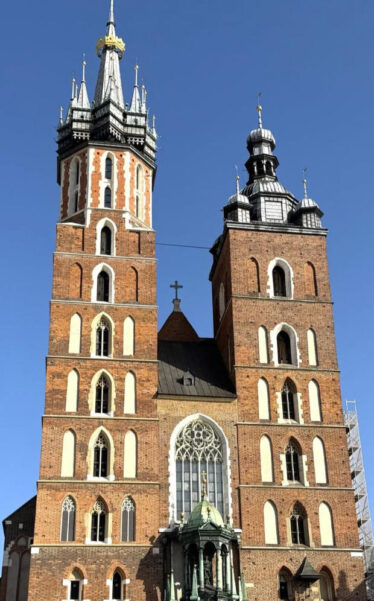
Kraków is a city that can be explored on foot. Everything seems within a reasonable distance, as if designed to walk effortlessly. And when you need to go further, the trams appear with almost discreet punctuality, connecting neighborhoods without breaking the rhythm.
As a result, this allows for something important: observation.
Seeing how the city changes from street to street. How tourists and residents coexist. How a medieval façade can hide a contemporary café.
In fact, that contrast is the beginning of the journey.
With a historic center that seems taken from a storybook and a history as fascinating as it is moving, Krakow quickly captivates the traveler. Indeed, just enter Stare Miasto to feel time folding over itself.
The cobblestones set the rhythm. The Renaissance façades reflect the light. And at some point, the smell of hot bread forces you to stop.
I consider that, unlike other cities like Prague or Vienna, here everything feels closer. More human. There is no distance between the visitor and the city: you become part of it.
That first contact does not overwhelm. Instead, it invites, and in doing so, it sets the stage for what comes next.
Stare Miasto: the living heart of the city
The old town is the undisputed heart of the city. However, it is not just a set of monuments: it is a living space.
The Market Square, Rynek Główny, beats at any time of day. During the day, with terraces full and carriages waiting, at night, with dim light transforming every corner into something almost intimate.
In the center, the Cloth Hall reminds us that trade took place here centuries ago. In the background, St. Mary’s Basilica imposes its presence with its two unequal towers. And every hour, the trumpeter’s sound cuts through the air, like an echo of the past that refuses to disappear.
As a result, everything invites you to linger a little longer.
Getting lost on Floriańska Street, crossing the Barbican, following the so-called Royal Mile to Wawel Castle… it is not a tourist route; it is a way of understanding the city step by step.
And when you think you have seen enough, Krakow gently pushes you elsewhere.
Toward neighborhoods where history changes tone.
Kazimierz: Tradition, Memory, and Daily Life in the Historical Journey to Krakow
After the monumental intensity of Stare Miasto, the body asks for a different rhythm. In fact, just a few minutes’ walk away, and the city changes tone. The streets become more irregular, the buildings less perfect, and suddenly Kazimierz appears.
Here, in contrast, the historical journey to Krakow becomes more intimate.

Since the 14th century, Kazimierz has been home to the Jewish community of the city.
For centuries, this area grew as a world of its own, with its synagogues, shops, traditions, and daily life.
In this context, before entering any building, it is enough to observe.
Murals on the walls, shop windows with old books, cafés where time seems to move more slowly.
There is something in the atmosphere that invites you to lower your voice, to walk unhurriedly, to look twice.
Walking through Kazimierz is also walking through its synagogues. Not as a list of monuments, but as fragments of a complex history.
The Old Synagogue, one of the oldest in Poland, maintains a sober, almost silent presence. It was destroyed during the war, later rebuilt, and today houses part of the Jewish memory of the city.
Nearby, the Remuh Synagogue remains active. It is small, simple, but deeply meaningful.
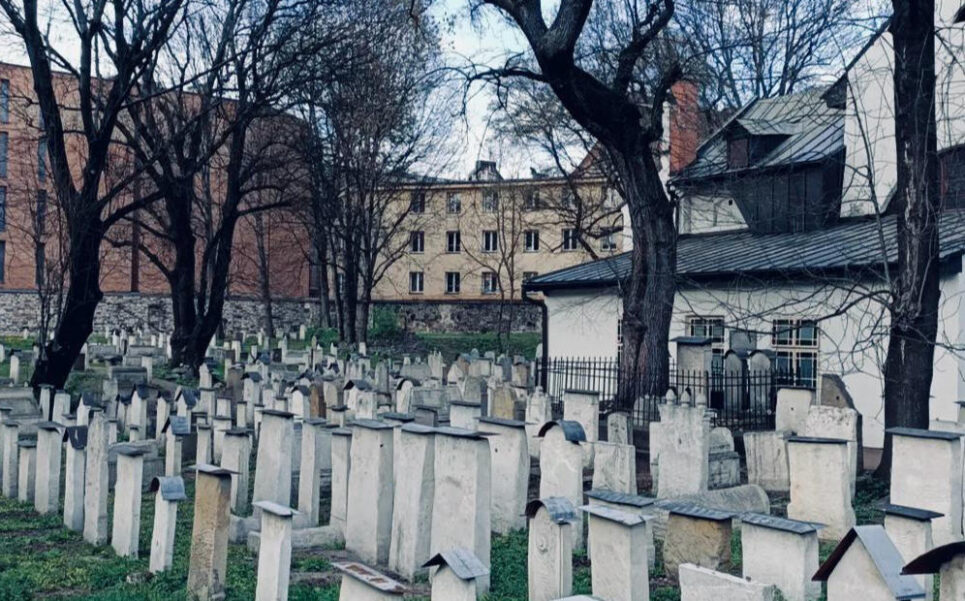
Its cemetery, with tombstones worn by time, conveys a feeling hard to explain: it is not sadness; it is permanence.
The Tempel Synagogue breaks that sobriety. Its interior, full of colors and details, surprises. Today it is also used for concerts, as if the space had decided to continue living in another way.
Others, like the Isaac, Kupa, or Wysoka Synagogues, complete this invisible map of the neighborhood. Some restored, others with visible scars, all with stories that do not need to be explained to be felt.
War, silence, and rebirth of the district
Naturally, during the Second World War, everything changed.
The Jewish community was relocated to the Podgórze ghetto, across the river. Kazimierz was left empty, silent. For decades, the neighborhood experienced a kind of abandonment that seemed irreversible.
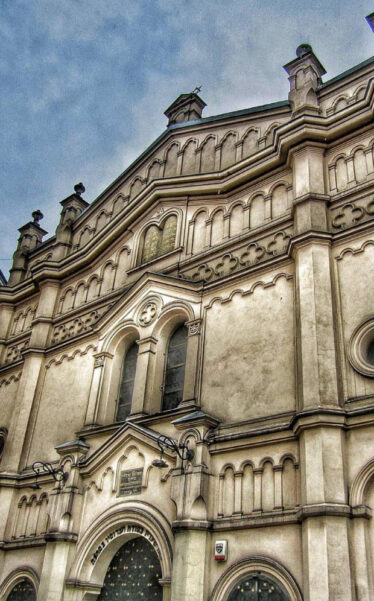
And yet, it returned.
At the end of the 20th century, a slow transformation began. Culture returned, spaces were restored, and gradually Kazimierz became one of the most vibrant neighborhoods in the city.
Interestingly, one of the most unexpected impulses came from cinema. When Steven Spielberg filmed Schindler’s List here, the neighborhood reentered the world’s emotional map.
Today, that energy is felt in every corner.
During the day, small galleries and cafés invite you to pause. At night, music emerges from bars, and conversations fill the streets. Szeroka Street becomes a meeting point where tourists and locals mingle effortlessly.
Gastronomy also tells part of the story. Kosher restaurants, traditional dishes reinterpreted, stalls where zapiekanka is served hot and fast.
Every bite is part of the historical journey to Krakow, but here it feels different: closer, more everyday.
Kazimierz leaves a feeling difficult to define. It is not just history, nor just modernity. It is a fragile balance between memory and life. And when you cross the river to Podgórze, you understand that the journey still has a deeper layer to reveal.
Historical Journey to Kraków from Podgórze: Memory That Does Not Fade
Crossing the Vistula changes something. It is not just a physical shift. Rather, it is as if the city lowers its voice.
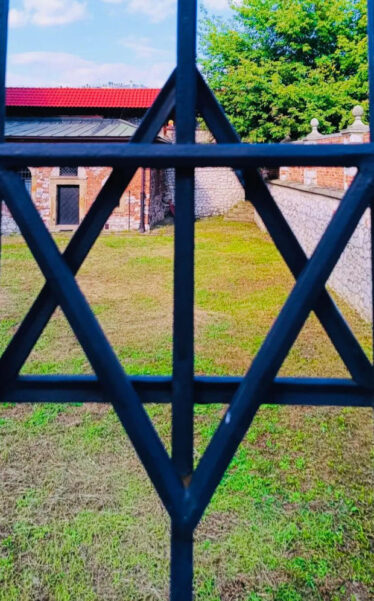
Podgórze does not welcome visitors with grand monuments, but with open spaces, silences, and a constant sense of respect.
Here, therefore, the historical journey to Krakow becomes more introspective.
During the Nazi occupation, this neighborhood was converted into the Jewish ghetto.
Thousands of people were forced to live here under extreme conditions. Hunger, fear, uncertainty. All of that is still present, even if not always immediately visible.
There is a square that tells it all. The Ghetto Heroes Square is probably one of the most striking places in the city.
Not because of what it shows, but because of how it shows it.
The scattered metal chairs across the square represent the families that were expelled from their homes.
It is a simple image, yet impossible to ignore. Each chair seems to be waiting for someone who will never return.
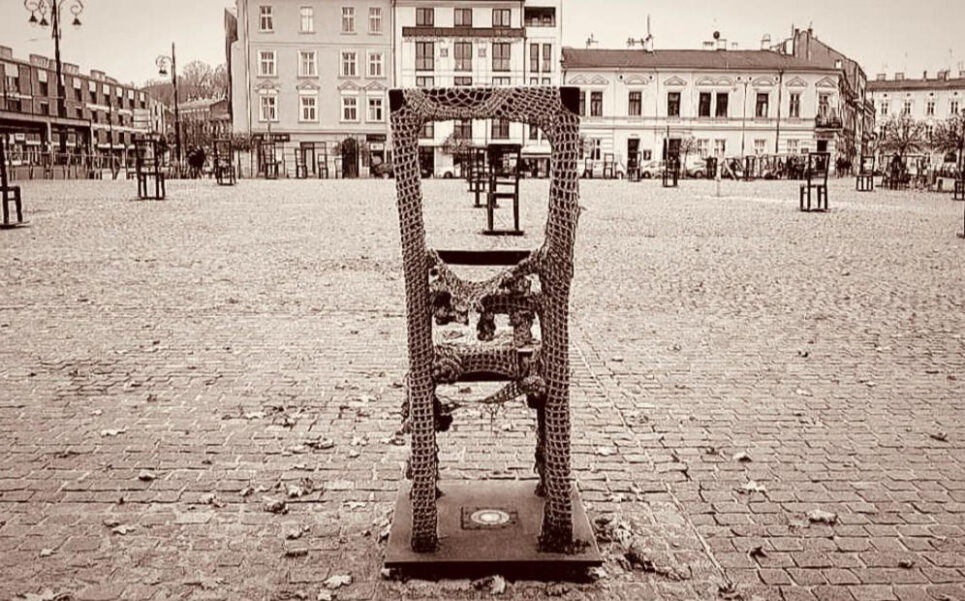
Selections for concentration camps took place here. Many endings began here.
Nearby, the Eagle Pharmacy tells another story. That of those who chose to stay.
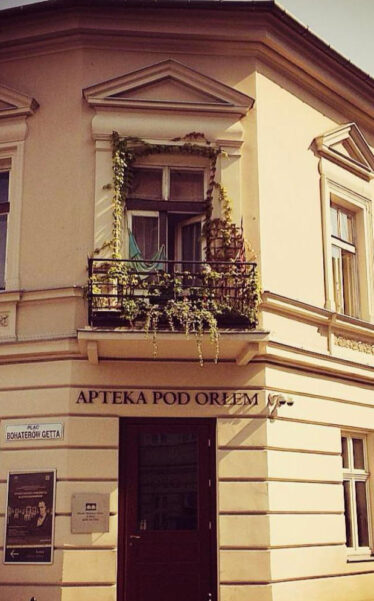
Its owner, despite being able to leave the ghetto, chose to remain.
The pharmacy became a refuge, a point of aid, a place of silent resistance.
Today, transformed into a museum, it continues to convey that humanity that defies any context.
A few steps away is Oskar Schindler’s factory.
What began as an opportunistic business ended up becoming a story of salvation. More than a thousand people survived thanks to his actions.
Today, the museum does not focus solely on him, but on the entire Nazi occupation in Krakow.
It is a tour that leaves no one indifferent. Leaving it means processing, thinking, pausing.
The present of a district marked by history
Podgórze is not only a memory.
In recent years, the neighborhood has begun to transform. Old factories have become cultural spaces, cafés appear discreetly on corners, and the promenade along the river offers moments of unexpected calm.
What is surprising is that this change does not erase the past.
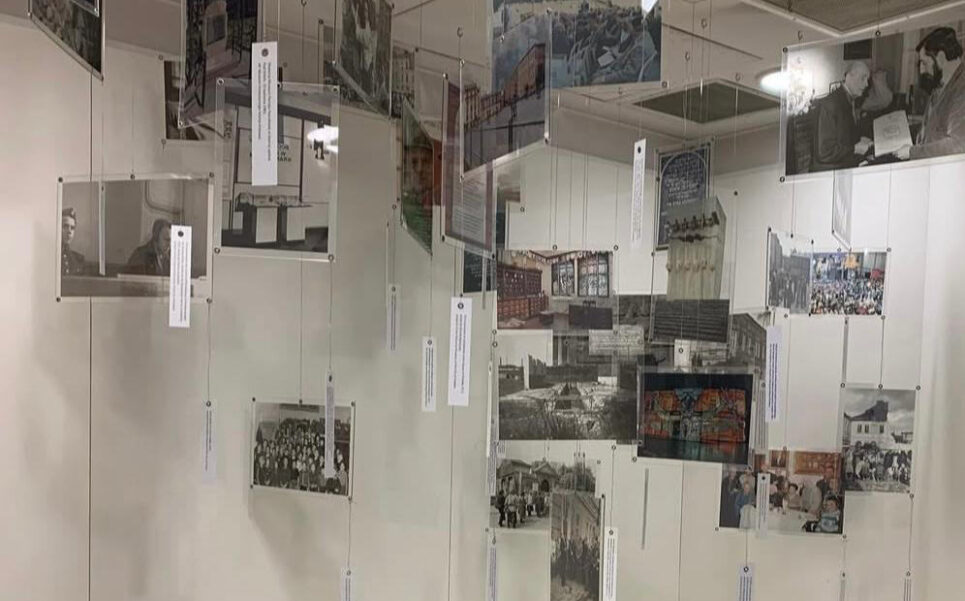
The streets remain the same. The cobblestones, the buildings, the remains of the ghetto wall in places like Lwowska or Limanowskiego are still there, reminding.
This coexistence between what was and what is makes Podgórze perhaps one of the most authentic places in Kraków.
When you leave Podgórze behind, you do so differently. More consciously. More connected with history. And it is precisely from there that the journey continues, toward something seemingly lighter but equally revealing: gastronomy and everyday life.
Nowa Huta: The Other Face of the Historical Journey to Krakow
After exploring neighborhoods where medieval history and wartime memory remain present, there comes a moment when Krakow changes its skin again. To truly understand it, you must move away from the center and look east.
About ten kilometers away, Nowa Huta appears as a completely different world.
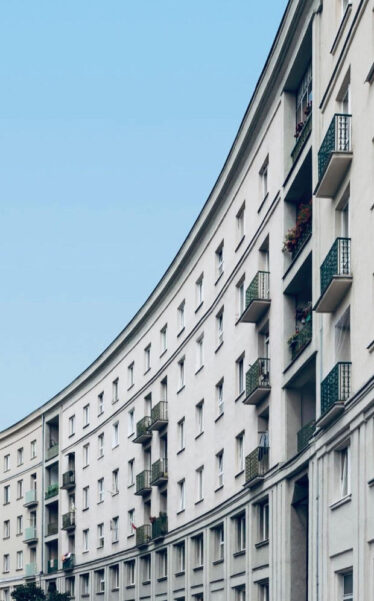
Here, the historical journey to Krakow leaves behind Gothic towers and centuries-old cafés to enter a much more recent history, marked by ideology, architecture, and the dreams —and contradictions— of the 20th century.
Nowa Huta was not born organically like the rest of Kraków. It was a project.
Built from 1949 during the communist era, this area was designed as a socialist model city. Wide avenues, concrete blocks, and large squares are designed for parades and gatherings. Everything responded to a clear idea: to demonstrate the strength of the regime and create a new lifestyle.
At the center, the enormous steel mill —five times larger than the old town— set the rhythm of life. Thousands of workers arrived every day, and the neighborhood grew to become a key industrial hub.
Walking through Nowa Huta today is understanding that historical moment from within.
The streets are wider, the space more open, the architecture more functional. Everything seems designed to be observed from a distance, as if each corner were part of a larger stage.
For years, Nowa Huta was seen as a gray, remote, even uncomfortable place for some. But time has transformed that perception.

Today, that past has become identity.
A district that reinvents itself without erasing itself
The neighborhood still retains its original layout, with Central Square as the core from which avenues radiate in a star shape. Although Lenin’s statue is gone, the traces of the past are still present in every corner.
And gradually, something new has begun to emerge.
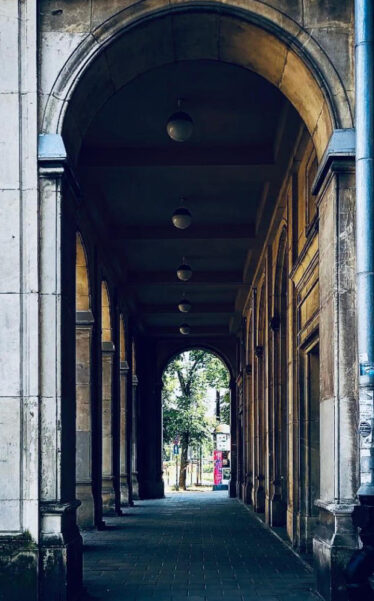
Artists, designers, and small entrepreneurs have found here a different space. Lower rents and industrial aesthetics have attracted a new generation that is reinterpreting the neighborhood without erasing it.
Cafés, creative studios, and discreet bars appear. They do not compete with the center, do not imitate it. They simply exist.
Visiting Nowa Huta is not essential for all travelers, but it is for those who want to understand Kraków in depth.
Here, there are no large crowds or perfect postcards. There is space, silence, and a more recent history that is still being processed.
Vintage car tours go through its streets as a way to connect with that past, but it can also be explored freely. Arriving by tram, observing, walking aimlessly.
Sometimes, that is enough. Nowa Huta broadens the perspective on Kraków. After understanding its medieval past, wartime memory, and communist period, the next step naturally arises: discovering how all that history transforms into living culture.
Art and Culture: The Creative Pulse of the Historical Journey to Krakow
There is a moment, after several days in the city, when you begin to notice something different. It is not in the monuments or traditional museums, but in small details: a poster in a gallery, an unexpected concert, an exhibition in a former factory.
Krakow does not only preserves its history. It constantly reinterprets it.
It is precisely here that the historical journey to Krakow stops looking only to the past and begins to dialogue with the present.
In neighborhoods such as Kazimierz or Podgórze, former industrial buildings have been transformed into cultural centers. Places like MOCAK or Bunkier Sztuki show a contemporary side of the city that contrasts —and at the same time complements— its more classical image.
Independent galleries, such as Galeria Starmach, offer exhibitions that invite you to pause and observe calmly. They are not overcrowded spaces, and perhaps that is why they feel closer.
Here, art is not imposed. It is discovered.
If there is something that defines Krakow’s cultural present, it is its festivals.
During the Unsound Festival, the city fills with experimental electronic music. The Kraków Film Festival attracts filmmakers and audiences from all over the world. And events such as the Kraków Photo Fringe turn streets and alternative spaces into open galleries.
During those days, the city changes its rhythm.
The nights grow longer, spaces reinvent themselves, and the visitor stops being an observer to become part of what is happening.
Art and culture are not an addition in Krakow, but a natural extension of its history. And after exploring it, the time comes to experience the city in an even more direct way: through its flavors.
Gastronomy with Memory
There is something that happens almost without noticing: over time, you begin to recognize the city through its aromas.
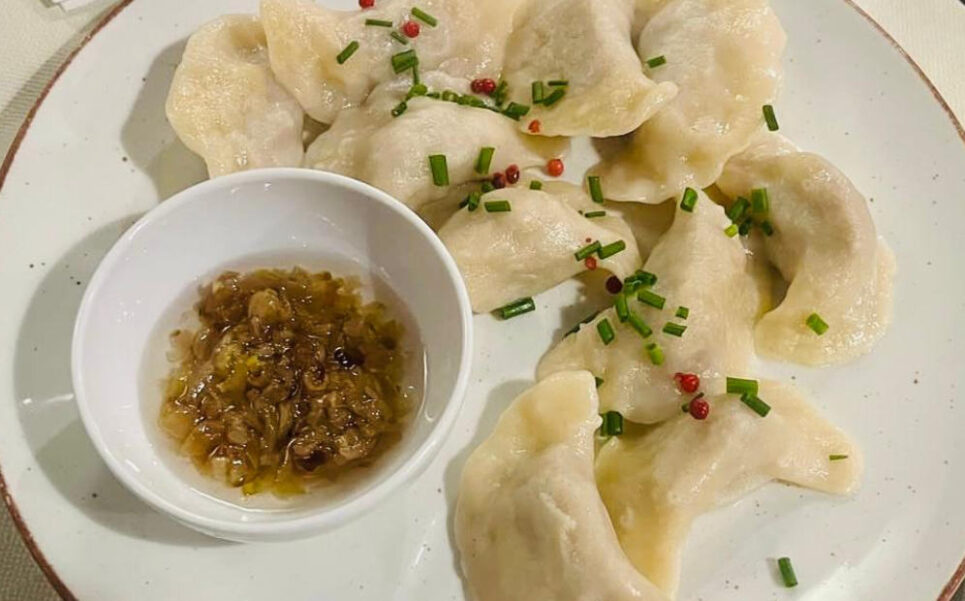
Freshly baked bread, hot soups, butter melting over dough. Gastronomy in Krakow is not just food, it is memory.
At the same time, it is also a way to understand the historical journey to Krakow from another place: the everyday.
Pierogi are probably the most well-known dish. Filled with potato, cheese, meat, or fruit, they arrive at the table with a simplicity that hides centuries of tradition.
Żurek, with its sour and deep flavor, surprises at first but eventually wins you over. Zapiekanka, more informal, appears at street stalls, especially in Kazimierz, as a quick option full of character.

To these are added bigos, oscypek, or placki ziemniaczane. Dishes that speak of winter, of family gatherings, of recipes that are passed down without needing to be written.
Sitting in a café in Kraków is also a way of observing the city.
The terraces of the Market Square, the small places hidden in Kazimierz, the discreet bars in Podgórze. Each space has its rhythm, its audience, its story.
Here, there is no need to search for the best restaurant. It is enough to let yourself be carried away.
Although card payment is widely accepted, it is advisable to carry some cash in złoty. Small shops, tips, markets… those details are still part of the experience.
And if something is worth planning, it is time. Not so much where to eat, but how long to stay.
After exploring the city through the senses, understanding its gastronomy and its rhythm, the time comes for something essential: knowing how to move, when to go, and how to make the most of every moment.
With All Five Senses
Organizing a trip to Krakow does not require major complications. But there are small details that can make the difference between visiting the city and living it.

Walking remains the best way to discover it. The center is compact, accessible, and made to be explored on foot.
But when distance requires it, trams operate with precision and connect the entire city.
As for the seasons, each one transforms the experience.
Spring and autumn offer a soft, almost golden light, perfect for walking.
Summer fills the streets with life. And winter, although cold, turns the city into a more introspective setting, especially during Christmas.
Booking in advance —especially in high season— allows for better choices and avoids unnecessary rush.
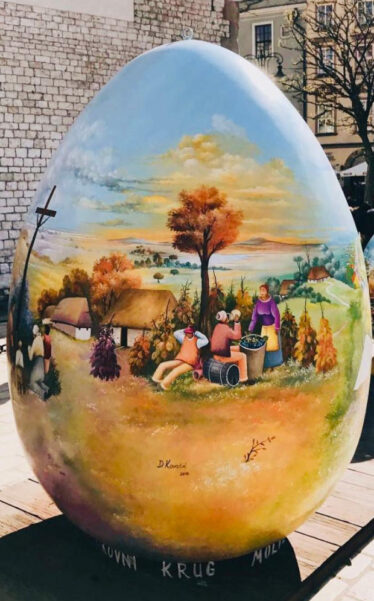
And, when everything is prepared, only one thing remains: to let yourself be carried away by the city and live it fully.
It is essential to understand that exploring Krakow is not just about walking through it: it is about experiencing it.
Sight fills with towers, murals, and reflections on the Vistula.
Hearing captures bells, conversations, and street music. Smell recognizes bread, spices, and coffee. Taste discovers ancient recipes. Touch remains in the cobblestones, on walls, on objects.
Each sense builds a part of the journey.
And each season changes that perception. The light of summer, the calm of autumn, the introspection of winter. Everything transforms the experience without altering its essence.
And it is precisely that sum of sensations that leads to the final moment of the journey: understanding what truly remains.
An Experience That Remains
There are cities that you visit. And there are cities that, without you noticing, begin to become part of you.
Krakow belongs to the latter.
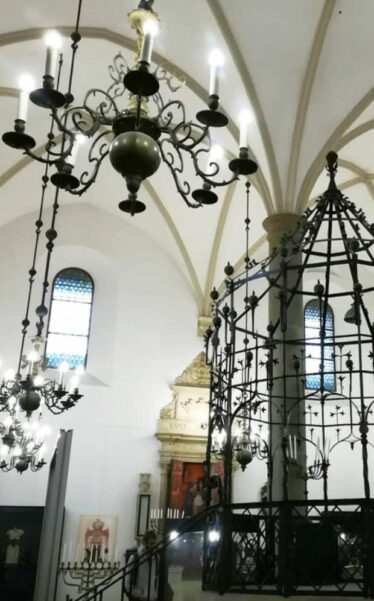
Here, the journey is not measured in monuments visited or photographs taken, but in almost imperceptible moments. The journey is measured in the sound of a trumpeter interrupting the air from the top of a tower. In the crunch of cobblestones under your feet at dusk. In the aroma of a hot coffee, while life passes slowly in front of a terrace.
Throughout the historical journey to Krakow, one understands that the city does not try to impress. It does not need to. Its strength lies in the way everything coexists: medieval beauty with the memory of war, the silence of Podgórze with the energy of Kazimierz, the monumentality of the past with the creativity of the present.
And above all, in the way it makes you feel part of something bigger.
Krakow is not perfect, nor does it try to be. It has scars, and it does not hide them. It integrates them, and it shows them respect. And it is precisely there where much of its authenticity lies. Walking through its streets is also confronting history, understanding it, and, in some way, reconciling with it.
Perhaps that is why, when you leave, you do not feel like you have seen everything. On the contrary. You feel that you have only just begun to understand it.
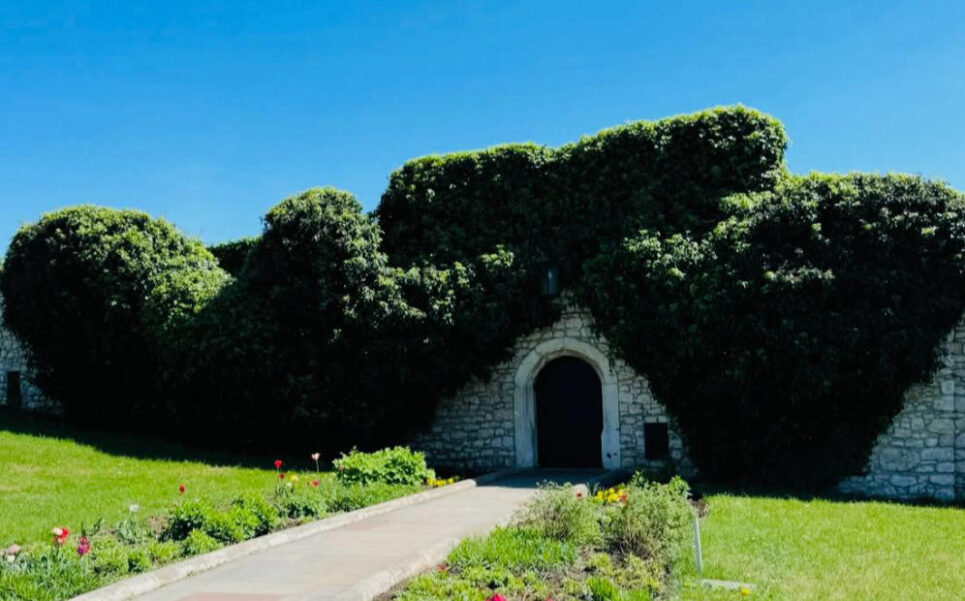
That there are still corners to discover, stories to hear, moments to live more slowly. And then that idea appears, almost without realizing it: to return.
The historical journey to Krakow does not end when you leave the city. It remains in memory, in the details, in the way you remember the light on the façades or the sound of the river at dusk. It remains within you. And over time, it transforms into something more than a memory: into a constant invitation to return.