Taking advantage of the Colombia–France Year 2017, Bogotá hosted, for the first time, a photography exhibition dedicated to Ernest Bourgarel, a French photographer, explorer, diplomat, and collector who fell in love with Colombia at the end of the 19th century.
A French Perspective on Colombia
He fell in love with Colombia at the end of the 19th century.
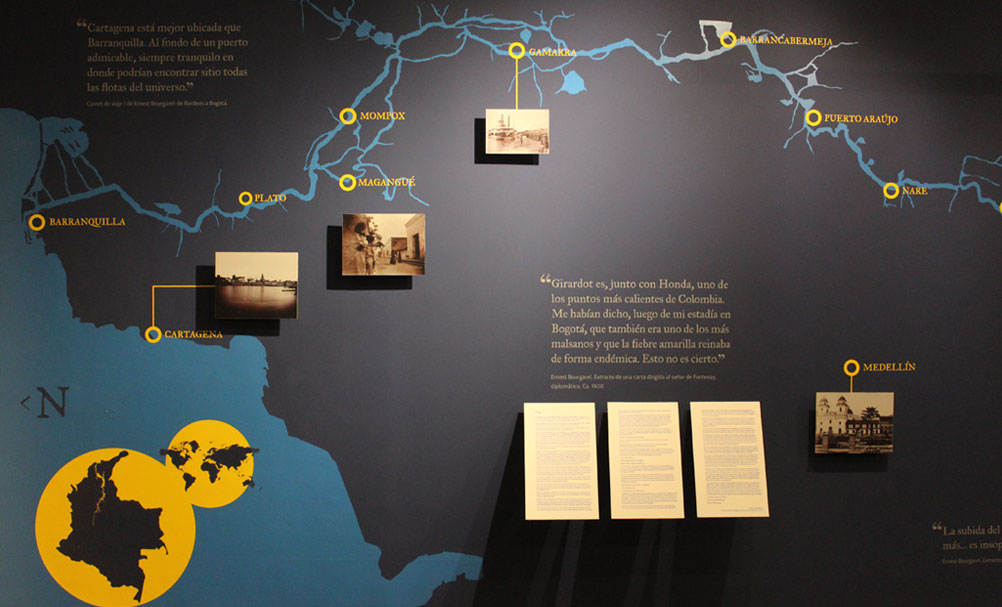
He had the privilege of photographing the country during a period marked by contrasts.
On one hand, there was a landscape of conflict and poverty. On the other, a process of modernization and rich cultural development.
This photographic exhibition, titled “Beyond the Cliché,” was made possible thanks to the Ernest Bourgarel photographic collection and the French Ministry of Foreign Affairs.
Ernest Bourgarel and Photography as Memory
According to the author, the photographs emerged from two needs. The first was to compile documentary material for his diplomatic reports, using photography as a tool to assess foreign institutions and centers of power.
The second was to build a sociocultural photographic collection that would highlight the art of his craft.
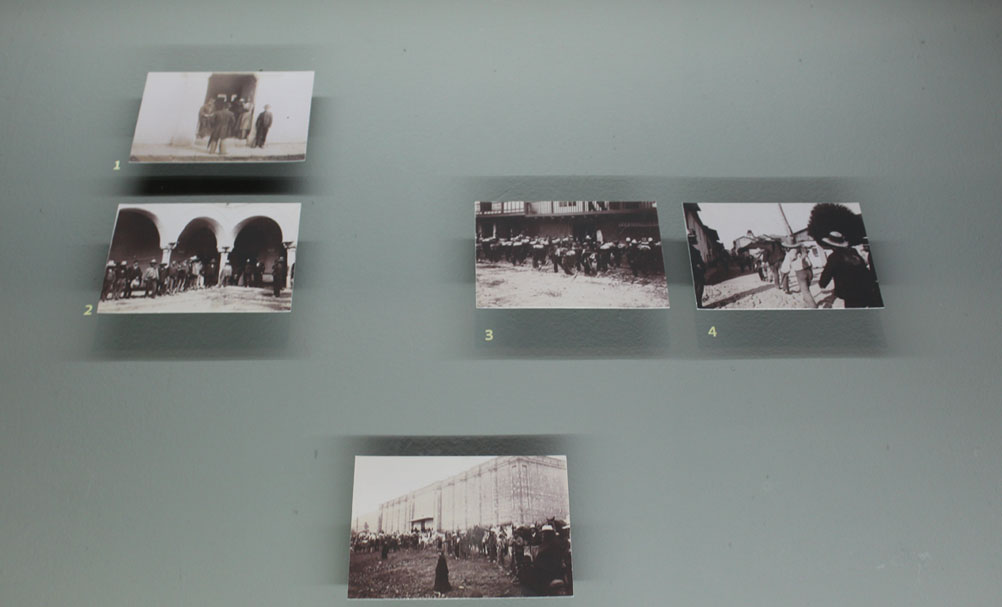
In this sense, the Ernest Bourgarel photography exhibition goes beyond simply bringing together old photographs.
It also offers an opportunity to understand how photography began to become a tool for documenting, interpreting and constructing a view of Colombian society.
The photographic narrative includes images from emblematic publications such as La Revista Ilustrada, El Gráfico, Papel Periódico Ilustrado and El Libro Azul de Colombia.
These images played a decisive role in the circulation of iconographic representations, including lithographs, photolithographs and photographs.
They also contributed to consolidating photographic imagery as a narrative, evidentiary, intentional and ideological tool and, consequently, as a political one. (De Certeau, L’invention du quotidien. Arts de faire, Gallimard, 1990.)
Representatives of the Ernest Bourgarel Association, Marie Claude Acero and Charles-Henry Dubail, explain that the Colombia–France Year 2017 had several objectives.
These included strengthening bilateral relations, updating the perception of both countries, promoting cultural exchanges, developing scientific research and consolidating ties between France and Colombia.
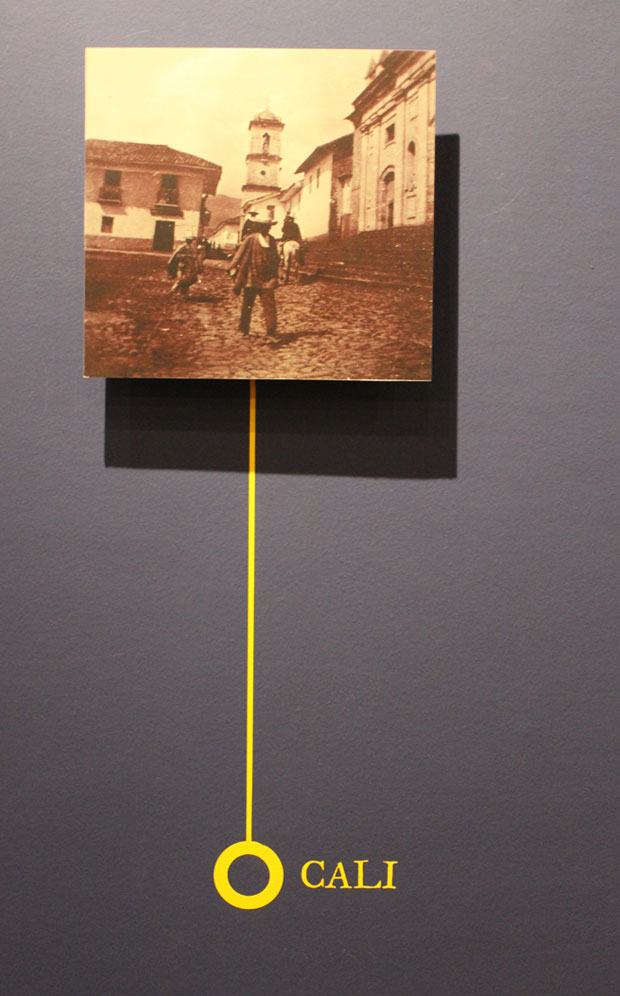
“That year was organized in France by the Institut Français, the cultural agency of the Ministry of Foreign Affairs, and in Colombia by an intersectoral committee made up of the ministers of Culture, Foreign Affairs, Education, and Trade, Industry and Tourism.” This was stated by Colombian General Commissioner Fabián Sanabria and French Commissioner Anne Louyot, who were selected to lead the initiative.
Through cultural events such as the Ernest Bourgarel photography exhibition, the aim was to present another side of each country.
A lesser-known side and, perhaps, a more surprising one for the public.
According to Óscar Londoño, an art historian at the Museum of Bogotá, curator Ana María Cifuentes saw the exhibition as an opportunity to open new paths for research into photography in Colombia and its early years.
A Look at Colombia Through Ernest Bourgarel
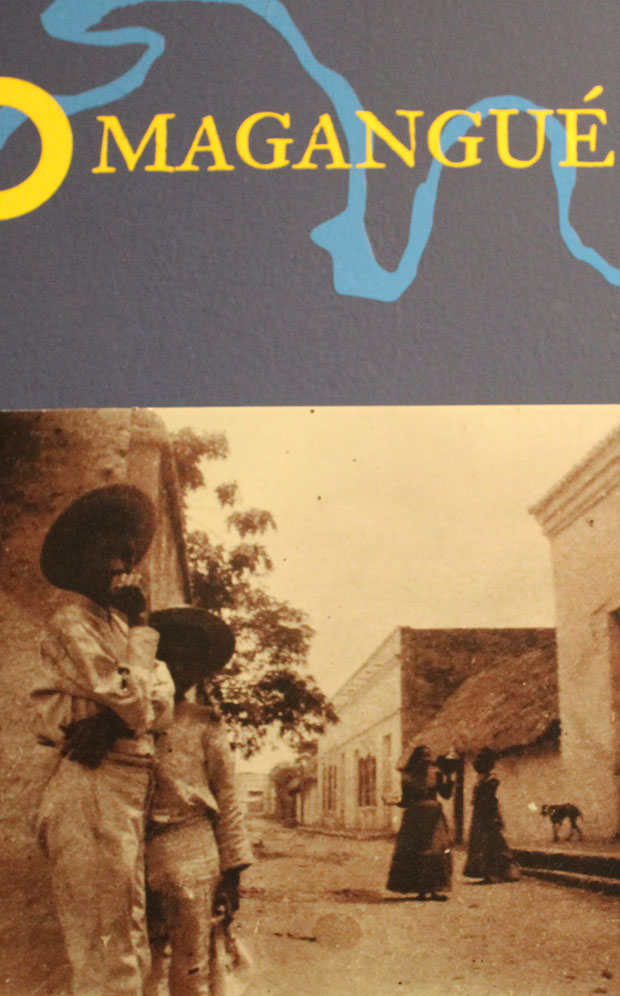
Bourgarel builds a narrative around images that go beyond portraying Indigenous people or farmers. His photographs tell stories about important events of the period.
Furthermore, the Ernest Bourgarel photography exhibition became an opportunity to look at Colombia’s past from the context of the post-conflict period. The images help place some of the social, cultural and artistic circumstances that took place centuries ago within the country’s broader historical journey.
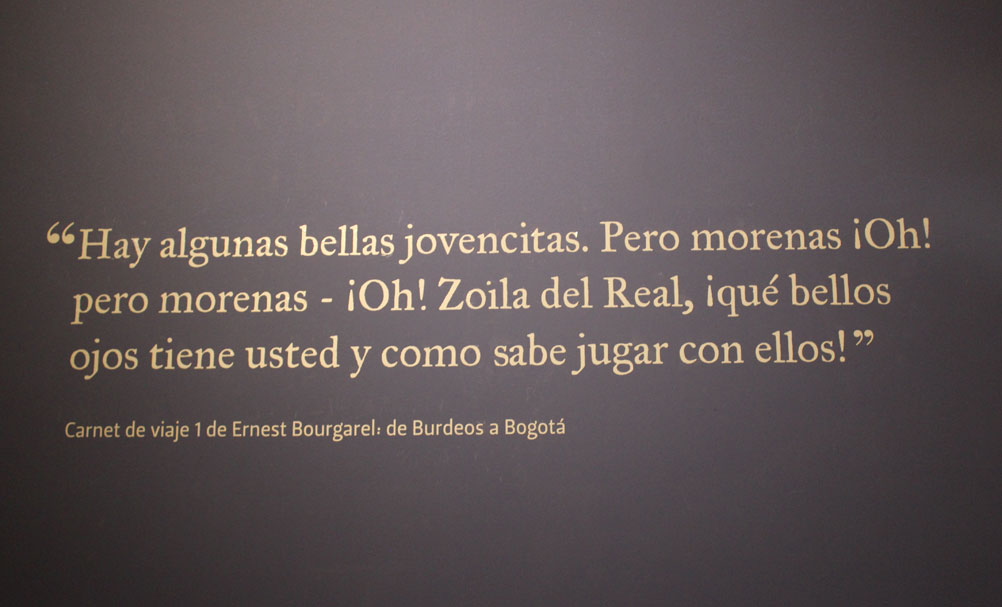
Anyone interested in entering the magical world of photography and experiencing Colombian history from another perspective can visit the Museum of Bogotá, in the La Candelaria neighborhood.