The world of art is very extensive, and today we will focus on photography and its nuances. Currently, the world of photography is accessible to almost anyone since most of us have a smartphone or a cell phone with a camera. However, this does not mean that we are all photographers or that we truly understand what a good photo requires.
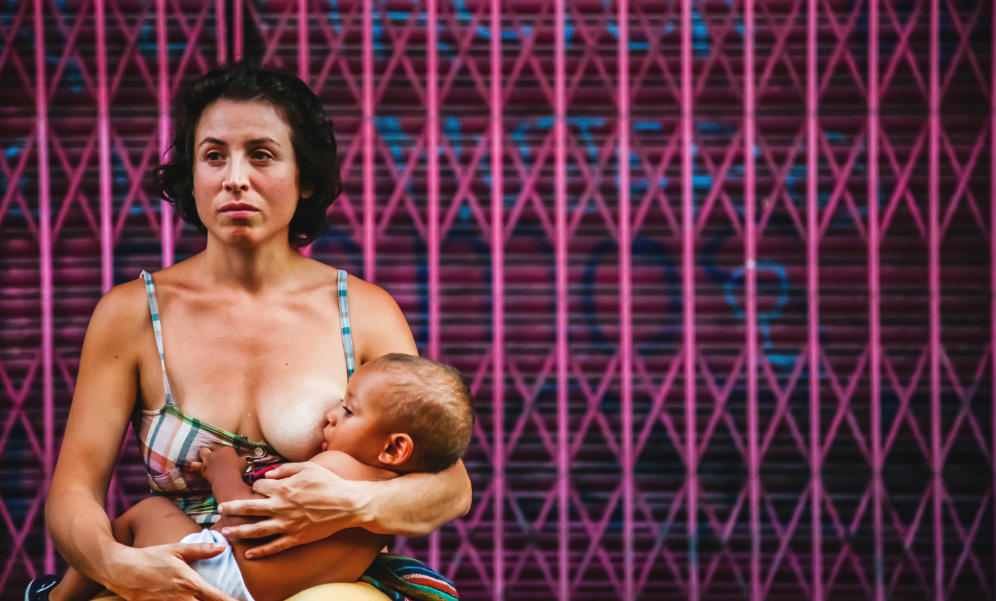
Some people have an innate sense or talent and intuitively know what a good photo looks like. This is where the versatility of Charo Amador as a photographer becomes evident — she transforms intuition and preparation into captivating images.
The art behind the lens
People who dedicate themselves professionally to this field of art not only possess that natural intuition but also prepare themselves technically and artistically to achieve the beautiful images they gift to the world.
For me, all photographic work is part of art because of the beauty of its images. Yet, it must be recognized that photography is divided into several fields according to the intention behind each image. That is why many photographers choose to specialize in one of these areas.
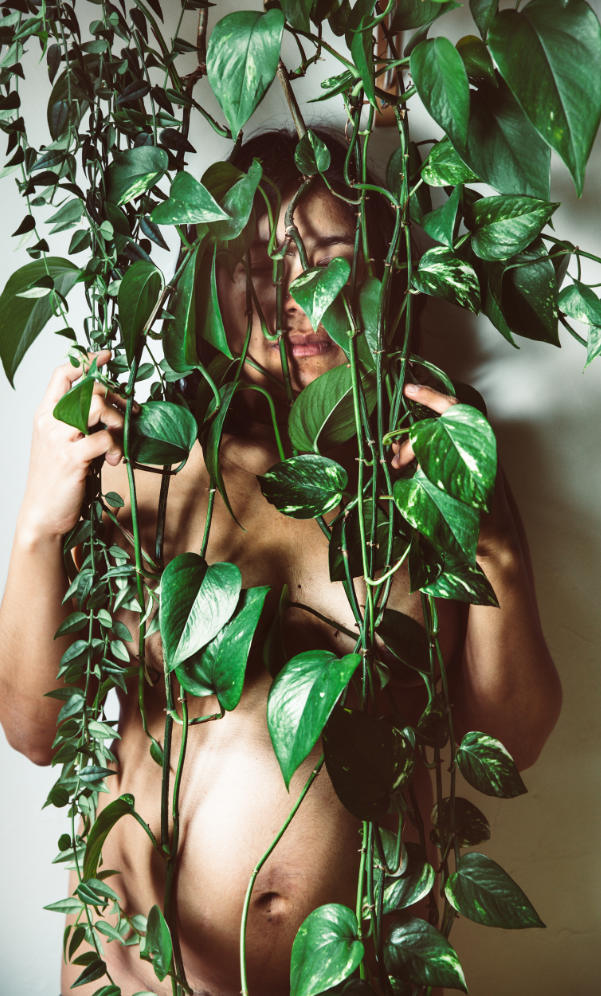
Among the many branches of this beautiful world, we find artistic photography, which is directly related to painting and shares the same intention: to be harmonious, contemplative, and decorative.
We also encounter advertising photography, whose purpose is more tangible — to present products visually, often in a subtle and refined way, to capture attention and generate desire, ultimately boosting sales.
We might think fashion belongs to the previous category, but it does not. Fashion photography is a different and very broad field that includes scenery, hairstyle, makeup, and styling in order to create unique, trend-defining images.
Then, there is documentary photography, whose objective is, as its name suggests, to document life — capturing situations and conditions that make up our world: nature, human life, wildlife, and more.
Portrait photography seeks to capture human features and essence, while journalistic photography aims to record history and immortalize events.
Aerial photography allows us to see the world from above, offering a new and breathtaking perspective. Today, many of these photographs are taken with drones. Meanwhile, underwater photography opens a window to aquatic worlds at different depths — one of my personal favorites.
Night photography reveals the magic of sunrises and sunsets, evoking a romantic atmosphere that attracts most of us. Similarly, landscape photography highlights all elements of a scene equally, presenting pure natural beauty.

Astronomical photography captures the immensity of space, often requiring sophisticated equipment, while scientific photography focuses on immortalizing experiments and advances in science.
Finally, photomacrography presents the world from up close, revealing intricate details that often go unnoticed in our daily lives.
I must say this overview is very general, and within each field, there are even more fascinating variations.
Charo Amador
Now, let’s focus on the work of one of the most respected members of our team. To be honest, she joined us after this very interview — but her work before and outside the magazine is what truly captivates us.
Rosario Ortega Amador is a fearless, valuable, persevering, and deeply talented woman. After many years living in Spain, she began presenting herself as Charo, in honor of her mother, keeping her mother’s surname as her artistic name. This is how we know her today: Charo Amador, a Mexican photographer whose talent exemplifies the versatility of Charo Amador as a photographer.
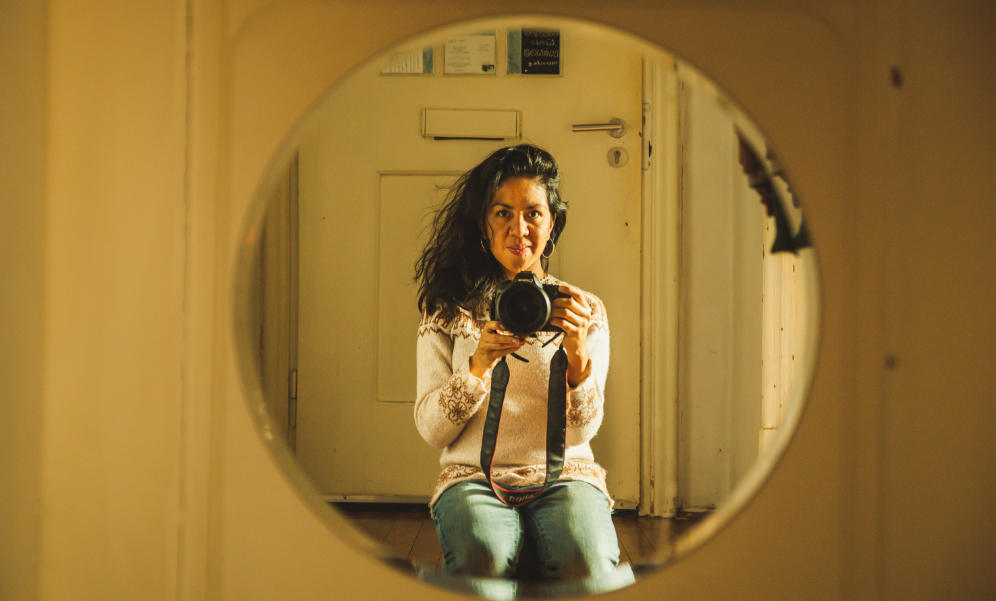
Having lived in Madrid, she later moved for love to the small German city of Augsburg, where she currently works as a freelance photographer.
The challenges of being a photographer in Germany
The first challenge that our dear Charo Amador encountered was the contrast between living in a large city like Madrid and settling in a smaller one like Augsburg.
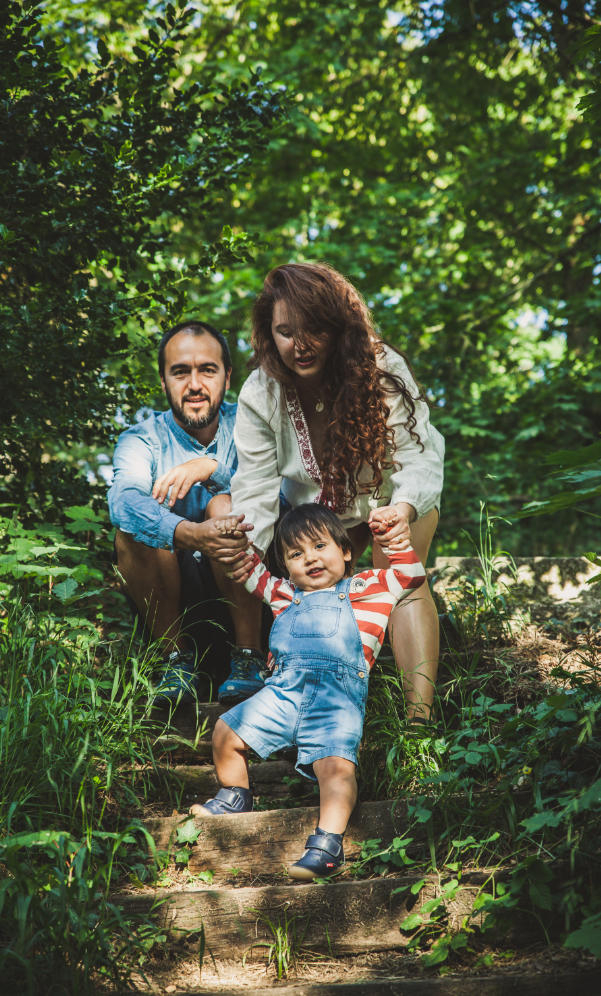
Although Augsburg may seem big to native Germans, for us Mexicans, it feels small, with fewer job opportunities. Yet, as Charo says, it is not impossible to thrive there.
The second challenge is the language. As we have discussed in other articles, the German language can be a major barrier — one that shapes both personal and professional life. Charo admits that it’s hard not to be able to fully express yourself in your own language.
We spoke about the typical difficulties foreigners face in Germany: adapting to a new city, learning the language, adjusting to the climate, food, and social norms, and understanding the local work culture, which differs for each profession.
Being a freelancer in Germany is yet another challenge. One must learn how to navigate bureaucracy, fill out documents for the famous and dreaded Finanzamt. Although daunting at first, Charo discovered that once you understand it, it’s not so frightening after all.
Working as a freelancer in Mexico or Madrid felt easier for her because things were more flexible. In Germany, she sometimes feels that regulations impose limits. Still, our charismatic Charo never gives up — staying home is simply too boring for someone with her drive.
Latin market
One of the advantages Charo has found is that in Germany, the Latin market is quite large. She sees this from two perspectives. On one hand, it helps her find clients; on the other, it can become a comfort zone that limits integration.
Charo admits that she used to criticize people who didn’t integrate into local culture — until she experienced how difficult it really is. Social circles in Germany are often well-established and not as open. She compares this to Spain, where social groups are also formed but tend to be more welcoming.
This is one of the reasons why Spanish speakers abroad often support and connect. It’s a reminder of the versatility of Charo Amador as a photographer, who adapts not only to artistic challenges but also to cultural ones.
Spain
Charo’s training began long before her move to Spain. She studied journalism, participated in photography workshops, attended Fine Arts courses in Veracruz, and later enrolled in a film storytelling school. There, she joined a team that created documentaries — from narration to production — presenting their work at various festivals.

Charo is grateful for the excellent teachers who guided her along the way. She recalls that since the age of 17, a camera has always been in her hands. Thanks to her education and passion, she quickly developed professionally in the world of photography.
In her hometown, she had numerous exhibitions and remained very active — experiences that shaped her career and prepared her for future success.
During her time in Spain, Charo became involved in social activism — something that came naturally, as her family has always been engaged in social causes. Living in Spain allowed her to absorb the vibrant energy of social movements both there and in Mexico.
She continued her work in documentaries, focusing on powerful themes. The size of a project has never mattered to Charo; what counts is its message. One of her projects, for example, explored women’s perception of their own bodies — a topic both intimate and universal.
Reinvention in Germany
Today, family documentaries are Charo’s main focus, but she continues to pursue social projects whenever possible. Recently, she was delighted to collaborate with The Milk League, which entrusted her with the photography for a campaign about breastfeeding.
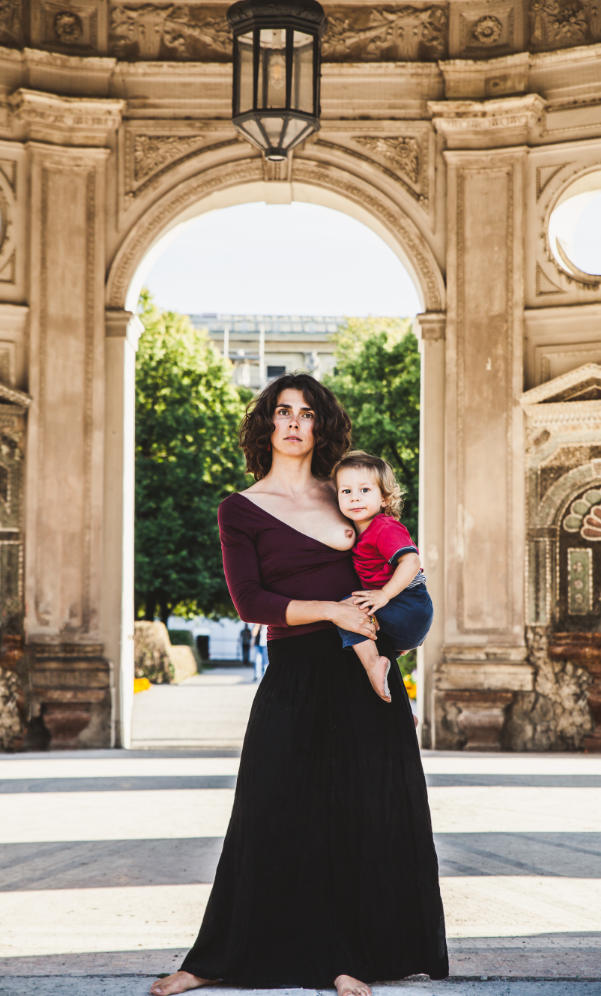
This opportunity allowed her to merge her professional expertise with her passion for social activism — a clear display of the versatility of Charo Amador as a photographer.
Personally, she continues to seek freedom and growth. She is currently studying German, working toward obtaining her driver’s license, and looking for new social projects to contribute her vision through the camera.
Charo’s stance on work is clear: she loves what she does and will never stop. Social work fascinates her, yet she also recognizes that all professional work deserves proper compensation — a belief we wholeheartedly share.
That is how I met Charo Amador — a charming woman with a present and future full of success, someone with whom you can have meaningful conversations and endless creative projects ahead.
Concluding
Valuing people’s work is essential. When you meet an entrepreneur or a migrant artist, you appreciate their effort twice as much — often unaware of how much sacrifice and persistence it has taken to reach that point.
The migrant experience can cause many to set aside their dreams, but it doesn’t have to be that way. Charo Amador reminds us that reinvention is possible, no matter the challenge. She has reinvented herself as many times as needed, always seeking freedom and doing what she loves most — photography. And that, above all, is the truest reflection of the versatility of Charo Amador as a photographer.