Some buildings simply occupy space in the city: structures that house offices, shops, or homes. However, there is also The Sphere, a radical project that rewrites what we understand by architecture of spectacle.
At the heart of Las Vegas, this monumental sphere is not just a building: it is also a manifesto of what technology, popular culture, and the city can achieve when they converge in one place.
Here, architecture ceases to be physical and becomes an experience; that is, it transforms into the architecture of spectacle.
A sphere that challenges the imagination
Upon arriving in Paradise, Nevada, east of the iconic Las Vegas Strip, The Sphere asserts itself with a presence that defies human scale.
At first glance, it appears like an artificial planet floating above the desert. However, as one approaches, it becomes clear that what is truly revolutionary is not only its form, but also what happens inside.
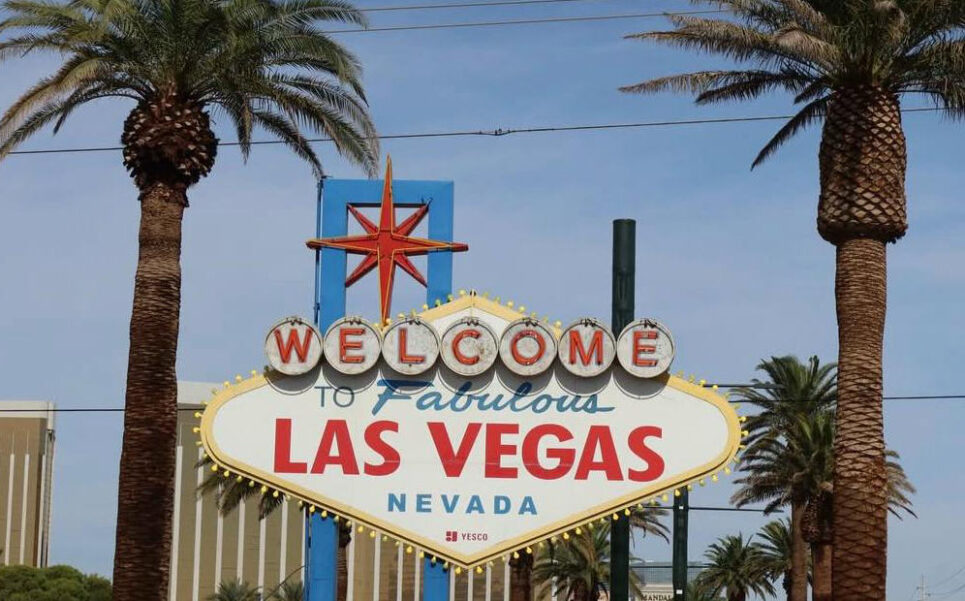
With a height of 366 feet and a width of 516 feet (112 m x 157 m), The Sphere houses 18,600 seats. In addition, it offers endless sensory possibilities.
Its interior contains the largest LED screen in the world, covering 54,000 m², and is capable of projecting immersive images in 16K resolution.

The sound is equally innovative. On one hand, it uses beamforming speakers and wave field synthesis that direct each note with surgical precision.
On the other hand, it incorporates 4D physical effects—vibrations, wind, and scents.
As a result, a multisensory experience is created in which the audience not only sees and hears, but also feels the spectacle.
The exterior of the sphere, covered with 580,000 square feet of LED screens, lights up with graphics and animations visible from miles away.
In this way, the city itself becomes part of the spectacle. In other words, Las Vegas does not merely observe this architecture; it transforms with it.
Engineering, scale, and construction
The project was announced by the Madison Square Garden Company in 2018 and developed by Populous, experts in state-of-the-art stadiums and arenas.
The figures are extraordinary. For example, the construction of the roof required 3,000 tons of steel, with 32 trusses weighing 100 tons each. Likewise, the 730-ton interior frame supports the LED screens and audio systems.
In May 2022, the exterior exosphere was completed. It was later illuminated for the first time during Independence Day in 2023, displaying images that quickly went viral.
With a cost of 2.3 billion dollars, The Sphere stands as the most expensive entertainment construction in Las Vegas. It also establishes itself as a technological milestone that takes the architecture of spectacle to a new dimension.
What truly makes it unique is not only its size or its technology, but also the way it transforms the perception of what is possible in architecture and entertainment.
Every detail, from the structure to the LED façade, is designed to astonish and envelop the spectator.
Thus, in front of The Sphere, one does not simply contemplate a building; rather, one faces an experience that challenges the limits between space, spectacle, and sensation.
Sensory experience: how the architecture of spectacle is lived
Upon entering The Sphere, one is welcomed by an atrium that seems to come from a futuristic world.
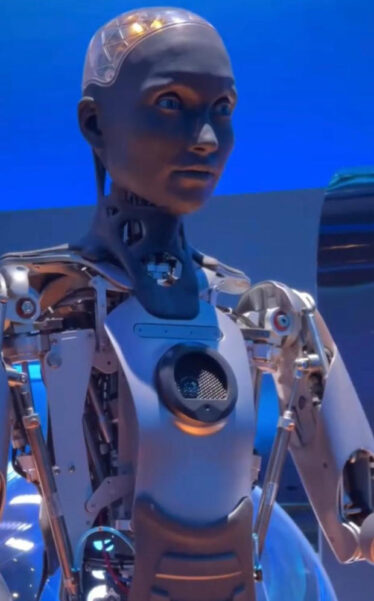
Artificial intelligence robots interact with visitors, interactive screens allow exploration of content, and each attendee can create a personalized digital avatar.
Every detail is designed to spark curiosity and prepare the senses for what is to come: the main spectacle.
The debut of The Sphere was marked by an extended residency of the legendary rock band U2 in September 2023.
The musicians were the first to explore this unique performance environment, taking advantage of the immersive sound, giant LED screens, and synchronized physical effects.
For attendees, the concert became a sensory journey where music, light, and space merge into an immersive narrative.
Shows and immersive storytelling
However, the Sphere is not limited to concerts.
For those seeking theatrical or cinematic experiences, it offers shows such as The Wizard of Oz Experience.
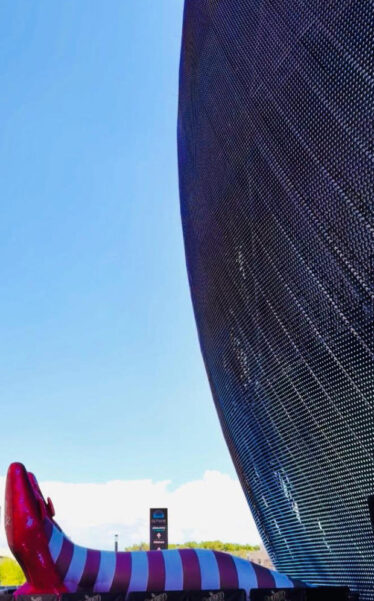
Before the screening, visitors walk through the atrium and interact with digital installations. Then, they are transported “over the rainbow” through immersive projections, 360° sound, and multisensory effects.
Each show is designed to erase the boundary between audience and stage. This principle defines the architecture of spectacle.
Another example is Postcard from Earth, directed by Darren Aronofsky. This project combines images of the planet with 4D effects—vibrations, wind, and scents.
In this way, the viewer not only observes but also physically experiences each environment.
The experience goes beyond the visual and auditory. Consequently, the audience perceives textures, movement, and scale directly.
Thus, architecture ceases to be a passive container and becomes an agent that shapes emotion and memory.
Sphere Studios: creativity and technology behind the magic
Behind the sensory experience offered by The Sphere in Las Vegas lies a creative laboratory that turns each show into something truly unique: Sphere Studios, located in Burbank, California.
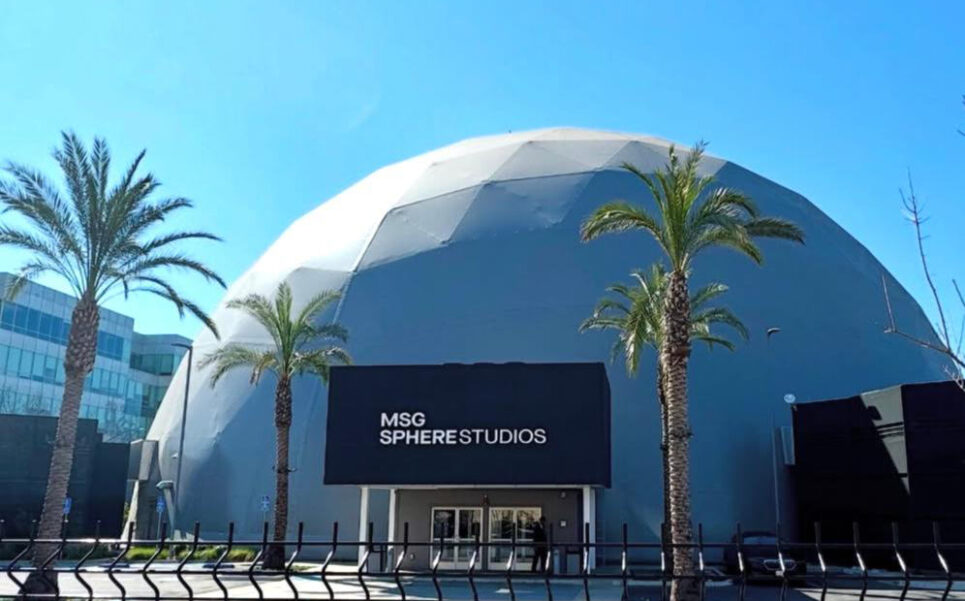
This space is not just a production studio; it is where the architecture of spectacle comes to life even before visitors cross the doors of the sphere.
Here, filmmakers, musicians, and designers work side by side to develop exclusive content that maximizes the building’s capabilities.
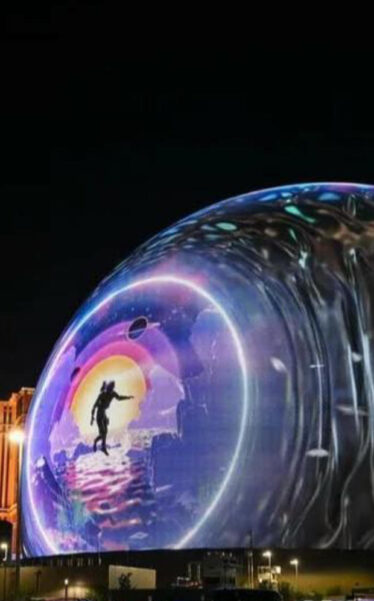
Each film, concert, or projection is conceived with The Sphere’s 16K technology, directional sound, and multisensory effects in mind.
Ted King, known for his work on Star Trek: The Experience, leads the creation of visuals that play with perception and immersion.
Meanwhile, systems like Big Sky allow the capture of 360° material that is later precisely adapted to the sphere’s enveloping environment.
Each project combines narrative, music, special effects, and architectural design, ensuring that the content is not just a show but an integral component of the building’s architecture.
In this way, Sphere Studios demonstrates that the magic of The Sphere lies not only in its imposing physical structure but also in the creativity and technological innovation that fuel every experience.
Cultural and urban impact of the architecture of spectacle
If Sphere Studios is the creative brain of The Sphere, the cultural and urban impact of the building is the tangible result of that vision.
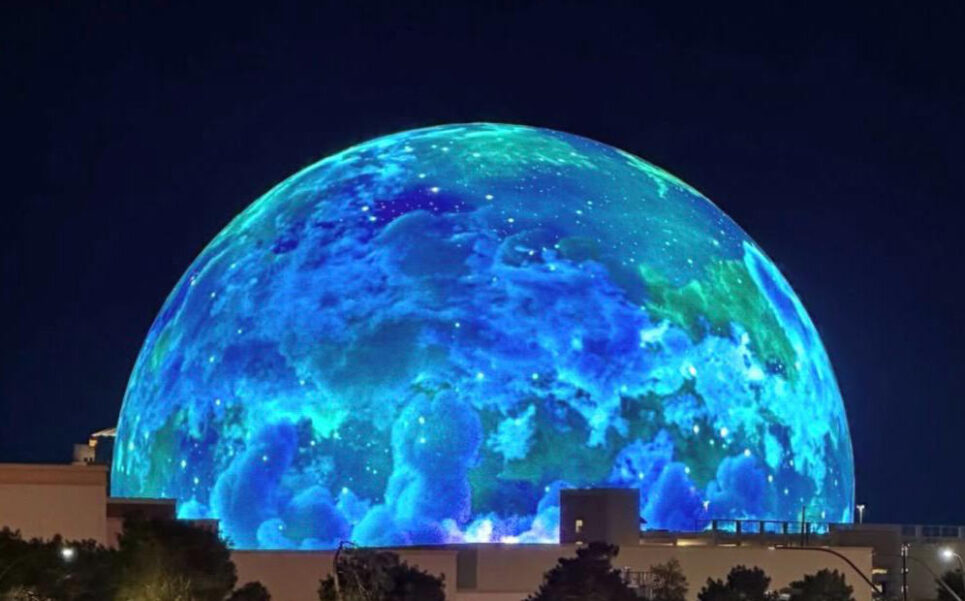
The sphere has transformed the way entertainment is conceived in Las Vegas: the audience ceases to be a passive observer and becomes an active participant, immersed in experiences where technology, narrative, and architecture intertwine inseparably.
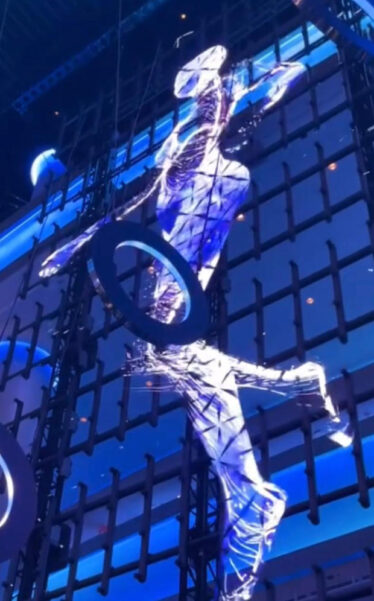
The influence of The Sphere goes beyond individual experience; it redefines the relationship between the city and its visitors.
Its LED façade, visible from miles away, and its multisensory interior turn the sphere into an urban landmark that complements casinos, resorts, and traditional attractions.
Consequently, the city positions itself as a laboratory of cultural innovation.
The architecture of spectacle ceases to be an adjective and becomes a tangible experience, capable of transforming emotions, sensations, and memories in every spectator.
Ultimately, the connection between Sphere Studios and the sphere in Las Vegas demonstrates how creativity and technology can come together to redefine not only a building, but also the way a city lives and experiences entertainment.
Conclusion
Visiting The Sphere is not simply attending an event; it is immersing oneself in a space where all the senses are activated, and the perception of urban entertainment is redefined.
From the exterior LED façade that transforms the city to the immersive sound that adapts to each spectator, the sphere offers a unique experience, impossible to replicate anywhere else in the world.
The true revolution of The Sphere lies in how it has changed the way spectacles are conceived.
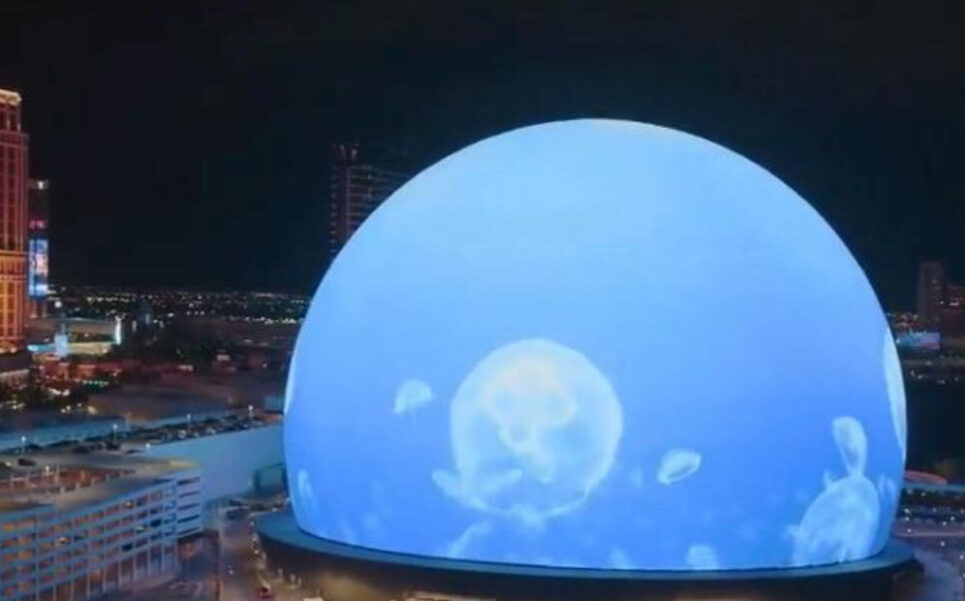
Architecture ceases to be a simple container and becomes the protagonist; technology ceases to be a support and becomes a sensory mediator; the audience ceases to be passive and becomes part of the narrative.
Each U2 concert, each screening of Postcard from Earth or The Wizard of Oz Experience, demonstrates that the architecture of spectacle can transform emotions, perceptions, and memories.
Ultimately, The Sphere invites us to experience the city in a different way: to feel it, to live it, and to be amazed.