TV Shows are part of our culture. Many people spend countless hours in front of a TV watching endless amounts of programming. I consider myself somewhat of a TV Series critic — I don’t have a degree for it, but I’ve watched my share of TV Shows and Series (excellent, good, bad ones, and everything in between). Recently, I came across Petrol, a Canadian web series, and it made me reflect on what makes a program truly last.
So what exactly makes a program last?
Why is it that we watch so much TV? The answers are many, and some people say that a series of factors make a TV program endure: great writers, producers, and actors; a good concept; room to grow with a strong ensemble cast offering multiple storylines; a desirable time slot; audience comfort; loyal network support; and the public’s fickle taste.
A great show is a show that meets and exceeds audience expectations. It needs to be beautifully shot and have interesting and unique characters. Of course, ending most or every episode with a cliffhanger is also a must.
Some shows stay relevant by providing commentary on current events. The best kind of show is one based on a universal concept or idea, able to survive shifts in actors, storylines, and writers without damaging the overall franchise.
From my point of view, a hit show always takes an established genre and adds a twist.
Nothing in that last episode is determined by anything that wasn’t established in the very first episode—or even in the opening credits
The Interview: Petrol, a Canadian Web Series
Without expecting much, I happened to meet Reza Sholeh, writer and producer of Petrol, and Ant Horasanli, producer, director, and writer of Petrol, a Canadian web series. I wasn’t going to let this opportunity pass me by.
Solkes: What is the main difference between this action/drama and other series?
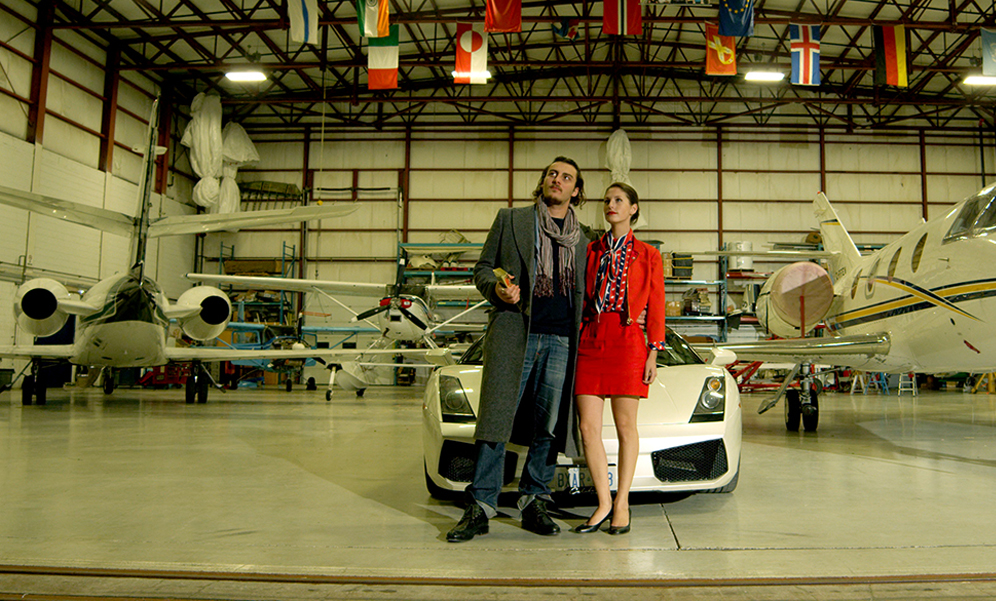
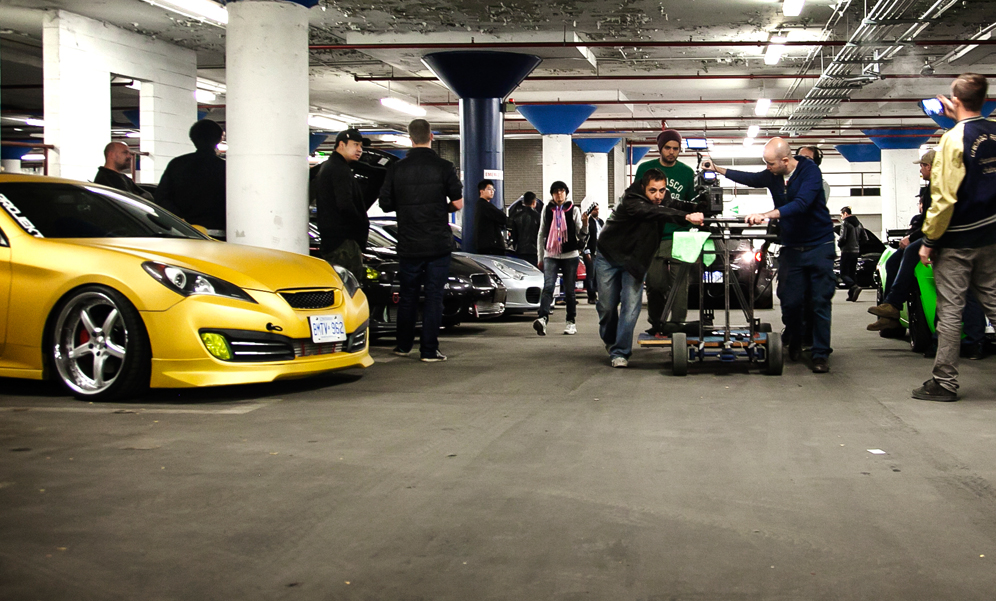
Reza Sholeh (Producer, Writer of Petrol): The main difference with Petrol, a Canadian web series, is that it’s geared towards car enthusiasts. We have sport bikes, off-road vehicles, jet skis, airplanes, and tons of cars — mostly exotic and tuned ones. Of course, there’s a complex crime story that a general audience will love, but that’s the main difference; it’s a show for petrol heads.
Solkes: How has the series evolved?
Ant Horasanli (Producer, Writer, and Director): It was always supposed to be a show set in the world of getaway drivers, but the characters that emerged as we wrote and developed Petrol, a Canadian web series, took the story in a whole new direction. A perfect example is how, in Breaking Bad, the character of Jesse Pinkman was supposed to die early on. Similarly, the character of Arsen in Petrol was only going to appear in two episodes, but became one of the major driving forces of the show.
Solkes: What can people expect in the new season?
Reza Sholeh: Not too much we can reveal right now, but expect more exotic and expensive cars, more surprising twists, more chase scenes, exotic locations, and even a few celebrity cameos.
Talking with Reza Sholeh and Ant Horasanli was more than just an interview; it was an intimate look into the creative minds driving Petrol, a Canadian web series. Their enthusiasm, candor, and commitment to authenticity reveal the passion that fuels the project. Each answer unveiled not only the technical brilliance behind the production but also the heart and vision that make it resonate with audiences around the world.
The Power of TV
As the interview continued, I had a thousand questions. I really enjoy a good TV show!
Solkes: What makes this story arc new, different, and fresh?
Ant Horasanli: This is the first time a story like this has been set in Toronto. It’s not a police or medical drama; instead, Petrol, a Canadian web series, offers a fresh look into the unknown world of getaway drivers. Every character has a reason for working for “The Employer,” but things are never what they seem.
Television shows have long been a mirror of society. Unfortunately, many lack originality—copies of copies that have lost the spark of their initial inspiration. However, Petrol, a Canadian web series, stands out. It strives to maintain its freshness and relevance, exposing certain traits of modern life: the bilingualism of our culture, our diverse perspectives, and the pulse of a multicultural Toronto.
Solkes: Is it important for the show to have a diverse team?
Reza Sholeh: Our team is like the United Nations — we have people from all over the world: Japan, China, Turkey, the UK, Afghanistan, Russia, Ukraine, Portugal, and Iran. This reflects how we live and work in Toronto, which is incredibly multicultural.
Solkes: What’s the motivation behind Petrol, a Canadian web series?
Ant Horasanli: The motivation is to bring audiences around the world a show without borders. To offer thrilling action, stunning cars, and a mystery that entertains you for every minute. That’s why we made it available on YouTube for free — so everyone can enjoy it.
Television has always had the power to shape the way we see ourselves and the societies we live in. Petrol, a Canadian web series, uses this power not to imitate, but to innovate — blending adrenaline-fueled action with subtle social commentary. It captures the restless energy of a generation searching for meaning, creativity, and connection. The show reminds us that great television doesn’t just entertain; it sparks conversation, challenges perspectives, and reflects our shared human experience.
The Art of TV
Television is more than just entertainment — it’s a form of art that combines storytelling, visuals, sound, and emotion to connect with audiences across the world. From the script to the screen, every detail matters: lighting, dialogue, performance, and pacing all work together to create meaning. The beauty of TV lies in its ability to reflect real life while shaping how we see it. In that sense, Petrol, a Canadian web series, captures this artistic essence perfectly — transforming fast-paced action and heartfelt storytelling into a cinematic experience that speaks to viewers everywhere.
Solkes:Is it complicated to create a TV show in Canada?
Reza Sholeh: It’s never easy to make a TV show anywhere in the world. Making a good one is almost impossible. You have to stay creative, be fresh, and make sure you can actually execute your ideas.
Solkes: Do you think TV is art?
Ant Horasanli: Any motion picture content—short film, feature, documentary, or TV/web series—is a form of art. It’s collaborative art. Behind every production is a team working together to tell a story beautifully. Making Petrol, a Canadian web series, is storytelling through a visual medium.
I loved the honesty in their answers. As someone fascinated by television as a medium of communication, it became clear that many people dream of being part of a TV show. Television is a world of its own — full of creativity, challenges, and undeniable charm.
The art of television lies in its expressiveness and its unique ability to connect people. It captures real life and blends it with imagination, turning stories into shared experiences. Sometimes, it even becomes part of our daily lives — in our living rooms, during meals, or while spending time with loved ones.
In many ways, Petrol, a Canadian web series, embodies this power. It brings together art, technology, and human emotion to create something fresh and exciting. With its multicultural cast, authentic storytelling, and bold energy, it reflects the spirit of modern entertainment — fearless, diverse, and deeply human.
So here it is, from Toronto to the world: Petrol, a Canadian web series — a story that drives fast, feels real, and reminds us why we keep watching.