Christmas in the Southern Hemisphere is special. It carries its own kind of magic — one that goes far beyond the December holidays. For some reason, many people believe that to experience the Christmas spirit, one must be in the North. However, that is not true.
Exploring Christmas in the Southern Hemisphere is like opening a book of sensations — where each chapter has its own aroma, sound, and flavor. From Latin America to Africa and Oceania, everything fills with rituals that blend history, tradition, and modernity.
Consequently, every breath is a reminder that the magic of Christmas lies in sharing, in the senses, and in the life that beats around us. Mexico, Colombia, Ecuador, Africa, Australia, New Zealand, and all of Latin America turn Christmas in the Southern Hemisphere into a poetic and sensory experience that transcends cold and snow. Here, Christmas is something you feel, smell, touch, and hear.
Latin America: Lights, Aromas, and Traditions That Embrace
Christmas in the Southern Hemisphere, especially in Latin America, is a symphony of colors, flavors, and emotions. In December, the season does not arrive quietly. Instead, it bursts in with guitars, laughter, lights, and that unmistakable aroma of corn, cinnamon, and hope that floats through the air.
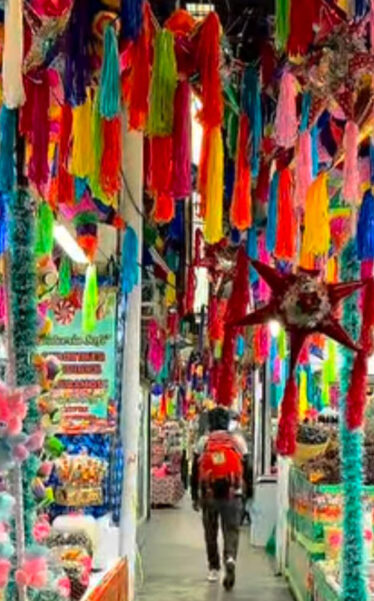
On every corner, Christmas feels like a collective song — an invisible bond that unites generations. From Mexican posadas to Colombian novenas, Ecuadorian processions, and Caribbean street parties, everything beats to the same rhythm: the joy of celebrating together.
In Mexico, Christmas in the Southern Hemisphere is more than just a date — it’s a ritual of faith and community that extends through streets, homes, and hearts. The country dresses in red, green, and gold, and every region reinterprets the celebration with its own blend of traditions, scents, and flavors.
The posadas, celebrated from December 16 to 24, are the heart of the season. They were born centuries ago as a bridge between faith and community and have evolved over time, incorporating music, dance, and local customs.
As night falls, the streets glow with strings of lights dancing among the sweet smell of rompope and the warm aroma of freshly made tamales and buñuelos. Families build nativity scenes, take part in pastorelas, and the sound of choirs, mariachis, and local bands fills the plazas.
Markets overflow with colorful piñatas, hot chocolate, and tamales in every flavor, while public festivals invite everyone to celebrate under the mild December sky.
However, the story of these festivities has deep roots. Long before colonization, pre-Hispanic peoples celebrated Panquetzaliztli, a tribute to Huitzilopochtli, the god of war. Later, the friar Diego Soria adapted these rituals into the posadas, recreating Mary and Joseph’s pilgrimage to Bethlehem.
Over time, religious music merged with laughter and popular songs, and the piñata — with its seven spikes symbolizing the deadly sins — became an emblem of faith, joy, and shared abundance.
Further south, Colombia shines with its own light. Here, Christmas in the Southern Hemisphere is not only celebrated — it’s breathed.
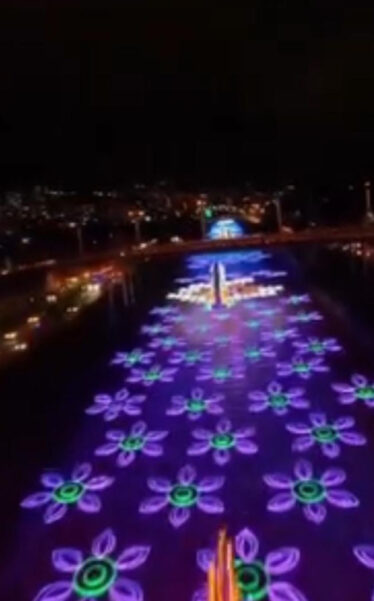
In Medellín, the famous Alumbrado Navideño turns the city into a universe of light — more than 20 million bulbs illuminate rivers, hills, and parks.
Moreover, the nights fill with free concerts — from Andean music and carranga to salsa and children’s choirs. Families stroll among lights and laughter, wrapped in a feeling of wonder that seems endless.
In Bogotá, the ciclovías navideñas become rivers of bicycles decorated with lanterns and garlands. The city’s plazas — like Bolívar or Usaquén — vibrate with concerts, artisan fairs, and shared smiles.
If there is a day that marks the beginning of everything, it is December 7, when Colombia glows during El Día de las Velitas (Day of the Little Candles).
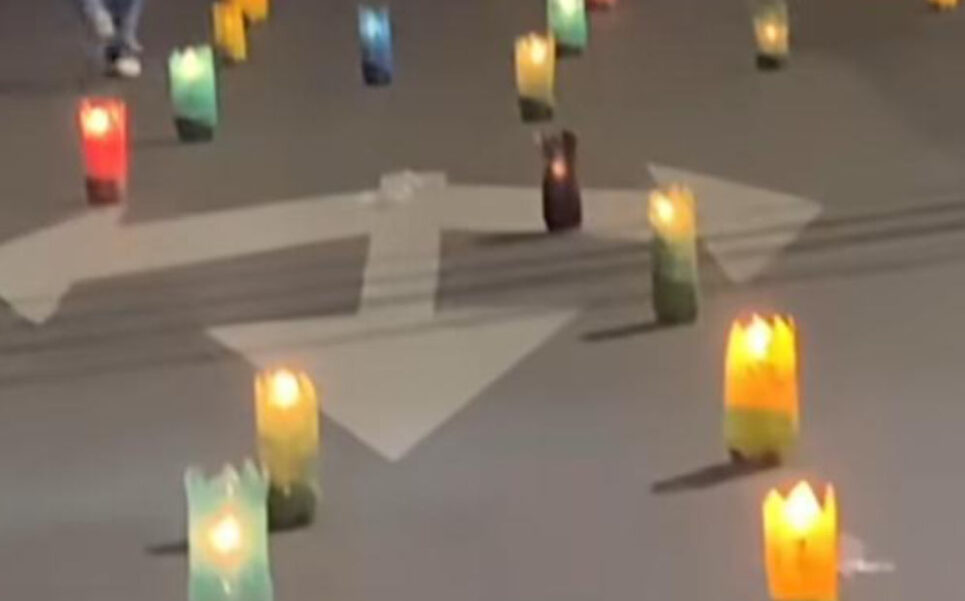
Thousands of lanterns and candles twinkle on balconies, windows, and streets, forming a warm blanket of light that symbolizes hope and unity.
Each family celebrates differently — some light candles at midnight, others at dusk. Some make wishes, others give thanks.
In towns like Villa de Leyva, the Festival de Luces turns the night sky into a fiery display of color that attracts over 50,000 visitors.
And in Cali, the Feria de Cali (December 25–30) is pure energy — parades, international concerts, and rhythms that make more than 700,000 people dance every year.
Among mountains and coffee plantations, the Eje Cafetero offers a more intimate Christmas — one that feels like a whisper.
In Salento, Manizales, or Armenia, colonial balconies sparkle with lights and garlands, while the aroma of fresh coffee mingles with the echo of guitars and carols.
Here, Christmas in the Southern Hemisphere feels close, warm, and deeply human — like a conversation under a starlit sky.
Continuing south, Ecuador welcomes us with a celebration that is both prayer and festival.
In Quito, processions such as the one honoring the Virgin of El Quinche gather thousands of faithful who move together among hymns, candles, and flowers.
In Guayaquil, parks and plazas transform into stages of light and sound, where carols blend with the Andean rhythms of the zampoña and charango.
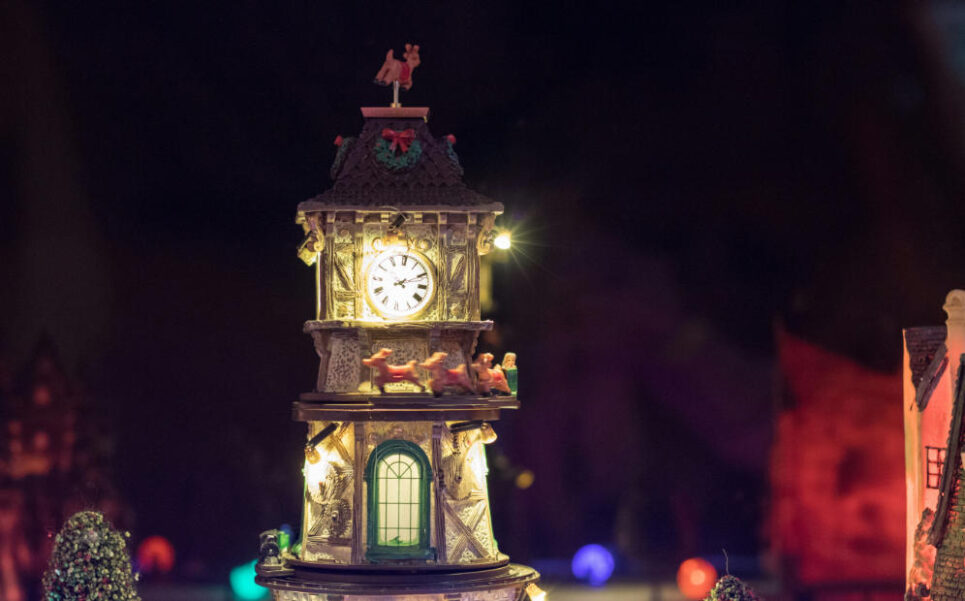
Children reenact the birth of Jesus, tables fill with pristiños covered in cane syrup, hornado, fig sweets, and fresh tropical fruits that add color and sweetness to every meal.
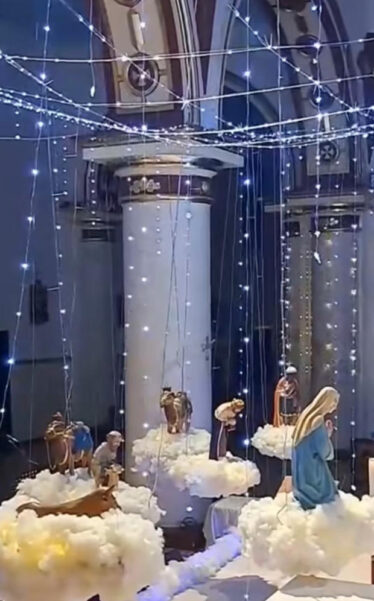
In Ecuador, faith and community embrace each other. Families build nativity scenes of moss and stone, attend midnight mass, and between December 31 and January 1, burn años viejos — cardboard and cloth dolls that symbolize what is left behind.
Thus, the Christmas spirit continues — uniting farewell and rebirth.
Ultimately, Christmas in the Southern Hemisphere across Latin America is an experience felt with every sense.
It is the sound of laughter mingled with carols, the glow of lights reflecting in coffee or honey, and the warmth of hands coming together.
Here, Christmas is not just a date; it is a tapestry of stories, a dance of cultures, and a living celebration that brightens both streets and hearts alike.
Africa: Drums, Songs, and Festivals
Christmas in the Southern Hemisphere in Africa is anything but uniform. On the contrary, every country adds its own colors, sounds, and rhythms to the celebration. As a result, December becomes a time of gathering where music, dance, and community beat together in harmony.
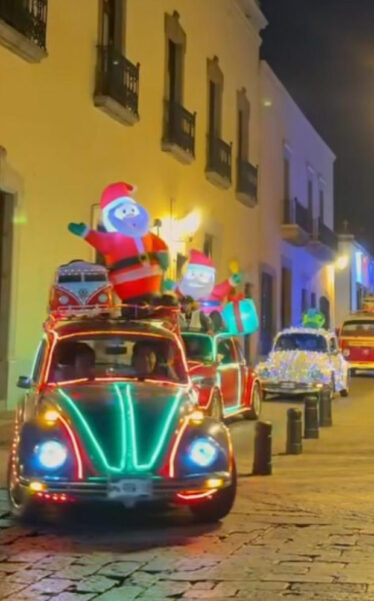
In South Africa, the festivities begin with large picnics and barbecues known as braais. Families and friends gather under the radiant sun, sharing laughter and food.
Meanwhile, in cities like Cape Town and Johannesburg, open-air concerts and craft fairs fill squares and parks with joy and movement.
In addition, churches host the traditional Carols by Candlelight. These candlelit songs create moments of poetry and shared intimacy — a reminder that Christmas in the Southern Hemisphere is a celebration of warmth and light.
In Kenya, families blend devotion with tradition. After attending mass and community songs, many travel to the countryside for large feasts that include nyama choma (grilled meat) and fresh fruits.
Furthermore, children go from village to village singing carols in Swahili, while local festivals celebrate tribal dances that fill every corner with rhythm and energy.
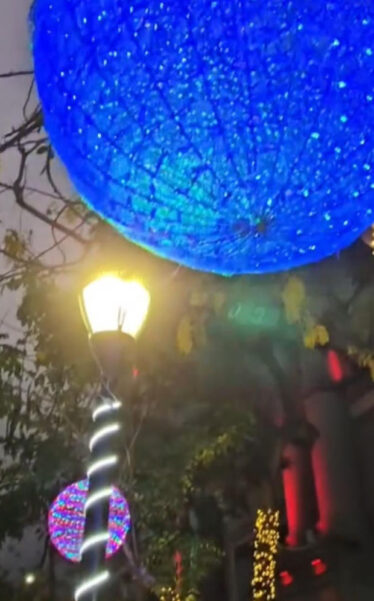
Likewise, in Ghana and Nigeria, Christmas explodes in a burst of colors and sounds.
Street parades mix drums, choirs, and traditional costumes, while carols blend with African beats.
Additionally, festivals like the Festival of Nine Lessons and Carols — originally British — have been reimagined with local music and dance, creating a celebration that fuses European tradition with African creativity.
Therefore, Christmas in the Southern Hemisphere across Africa feels like a sensory mosaic of drums, voices, and color. Each song, each dance, and each shared meal becomes an act of unity and spirituality.
Ultimately, the collective joy transforms Christmas into a ritual lived with every sense — a reminder that community is the true heart of celebration.
Oceania: Beaches, Barbecues, and Sunshine Festivals
It doesn’t matter that Oceania is the smallest and least populated continent — during December, its Christmas celebrations feel vast and overflowing with life.
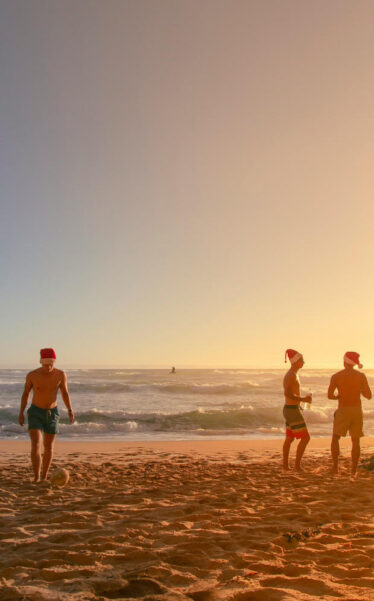
In this region, Christmas in the Southern Hemisphere takes on a unique character because of the seasonal contrast: while decorations evoke a winter wonderland, the warm sun and sea breeze remind everyone that it’s midsummer here.
Let’s be honest, this mix creates a fascinating contrast — a poetic balance between tradition and reality that turns the celebration into something unforgettable.
Communities across Oceania fully embrace the Christmas spirit, adapting classic rituals to their vibrant, outdoor lifestyles.
For example, open-air markets and seaside festivals light up the coasts and towns. The warm weather reflects the hospitality of the people, who find creative ways to blend Western heritage with rich local cultures. As a result, each gathering feels intimate, joyful, and full of laughter and music — the scent of the sea mingling with the warmth of the land.
In New Zealand, beaches and parks transform into natural stages for evening celebrations. Fireworks illuminate the starry sky, while families and friends share festive meals outdoors.
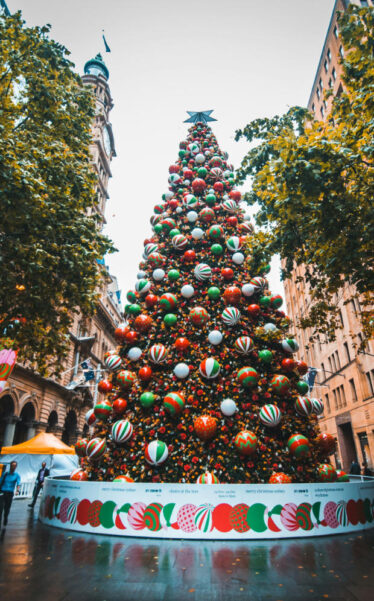
Meanwhile, in Auckland and Wellington, open-air concerts, picnics, and local fairs fill the air with carols that blend with the sound of waves and seagulls. Children join creative workshops as games and music turn each moment into a sensory experience.
On the other hand, Australia celebrates with parades, light shows, and sports events in Sydney and Melbourne. Families enjoy barbecues, fresh seafood, and traditional desserts, blending classic flavors with local ingredients.
The joyful rhythms and festive songs fill the air, while theater performances and Christmas parades display the continent’s rich cultural diversity — a harmonious blend of tradition and modernity.
Furthermore, the food reflects the diversity of Oceania itself. Fresh tropical fruits, seafood, and traditional dishes come together in feasts that awaken all senses. Each bite, scent, and musical note becomes an invitation to celebrate with intensity and joy.
Thus, Christmas in the Southern Hemisphere in Oceania isn’t defined by snow or cold. It’s lived under the sun, with feet in the sand, surrounded by community, music, light, and flavor.
Here, December becomes a collective song of life and magic, where joy radiates brighter than any winter light.
When talking about Christmas in the Southern Hemisphere, Australia is perhaps the most iconic example of how traditions adapt to geography and climate.
While Europe and North America wrap themselves in snow and fireplaces, Australians celebrate under blue skies, with sunscreen and a fresh breeze from the ocean.
Indeed, December in Australia means long, sunny days — perfect for outdoor fun and communal joy. Families and friends gather for barbecues, beach picnics, and sports tournaments, turning the holidays into a vibrant social event.
For instance, in Sydney, the famous Carols in the Domain concert brings thousands together under the stars. Families sit on the grass, singing by candlelight as live bands play Christmas classics.
Meanwhile, Melbourne lights up with spectacular decorations and open-air festivals, where local markets, street performers, and choirs fill the city with warmth and rhythm.
Moreover, many Australians decorate their homes with bright lights and native flowers such as the Christmas Bush, which blooms red in December, giving the season its unique southern identity.
On the beaches, surfers wearing Santa hats have become an iconic sight. Bondi Beach in Sydney hosts an informal gathering where locals and tourists alike celebrate with swims, music, and laughter.
This image — Santa trading reindeer for surfboards — perfectly embodies the spirit of Christmas in the Southern Hemisphere: joyful, relaxed, and full of sunshine.

In addition, sports play a central role. The Boxing Day Test Match in cricket and the Sydney to Hobart yacht race are major national events that bring the entire country together.
As a result, the holiday period in Australia combines tradition, sport, and nature, showing that the essence of Christmas can flourish even under the summer sun.
Ultimately, Christmas in the Southern Hemisphere here is not just a holiday — it’s a celebration of life outdoors, of community, and of freedom.
It’s a time to reconnect with the land and sea, to share joy and gratitude, and to celebrate the diversity that makes Australia shine at this time of year.
Conclusion: A Different Kind of Christmas
Christmas in the Southern Hemisphere challenges our imagination of what Christmas “should” look like. Instead of snowflakes and cold nights, we find sunlight, ocean waves, and tropical fruits.
Instead of staying indoors, people go outside — to the beaches, parks, and mountains — creating new ways of being together.
Therefore, this celebration reveals something profound: the spirit of Christmas transcends climate, culture, and geography.
Whether it’s through a beach picnic in Australia, a drum circle in Africa, or a candlelit concert in New Zealand, the message remains the same — love, community, and gratitude.
Moreover, these southern festivities invite us to rethink tradition, to embrace difference, and to understand that celebration is not about where we are, but how we share life.
In the end, Christmas in the Southern Hemisphere teaches us that warmth does not only come from fire or blankets — it also comes from human connection, joy, and the endless summer light that unites hearts across the world.