The Cold Arrives First
It arrives in the middle of the night, it arrives as we open our eyes, in the first light of day; it arrives as gazes, tears, and smiles begin to freeze.
The cold arrives first.
It doesn’t wound the skin, but it settles into memory. It seeps into our minds, uninvited, unplanned, taking hold of everything—without asking permission, without apologizing for cutting, hurting, stirring, and unsettling.
Synthetic winters are different—they are not natural. They are precise replicas of what we remember and what we feared to forget.
Synthetic winters are like bottomless mirrors.
The air cracks, breath turns to vapor, and each step awakens echoes of winters past.
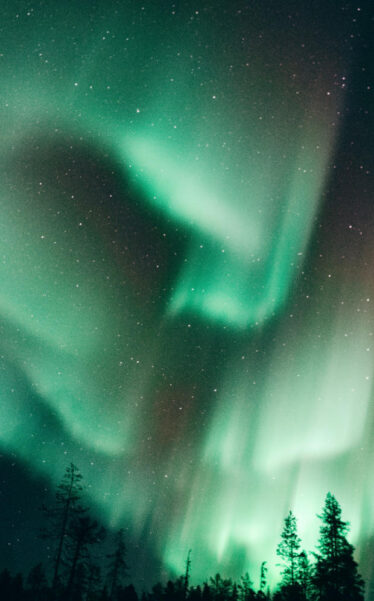
And then, the Northern Lights appear.
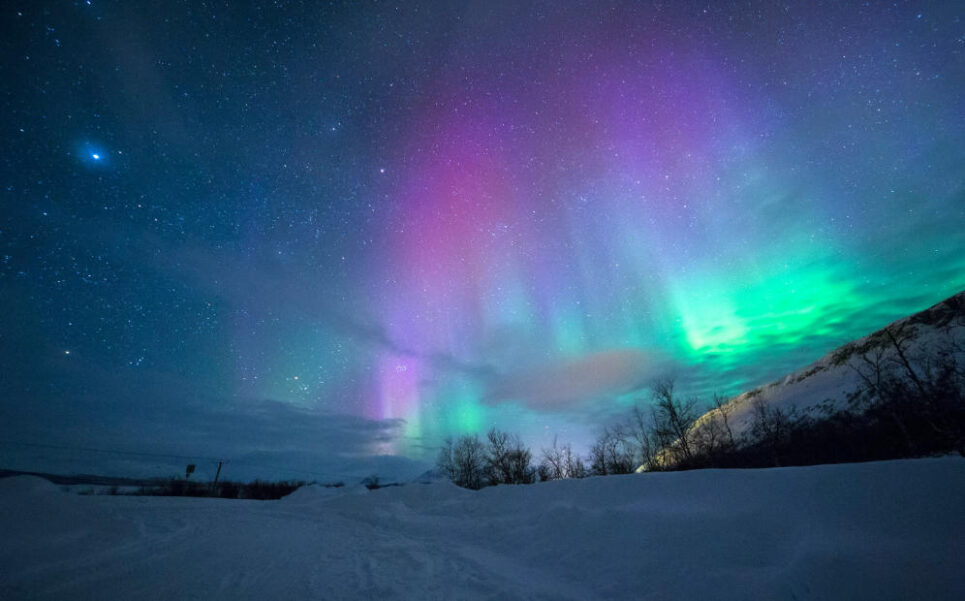
The sky is dyed in greens, reds, pinks, and mauves.
Green and violet waves cross the heavens like brushstrokes from an invisible artist—waves with no beginning or end, holding a magic that is unique, special, fleeting, and eternal.
Those beautiful stains. The coldest zones where fire tangles itself in complexity. In these corners, energy is like a burning sigh traveling through the cosmos.
In this rootless winter, the air glimmers with particles of artificial light—
a fierce light that burns us.
The auroras seem to stitch the firmament with threads of green, violet, and blue. They breathe in waves, bend, and dissolve—as if the universe were painting upon itself. It is nature’s art.
When winter is synthetic, the climate no longer follows natural rhythms but the whims of cities and machines.
In that moment, our eyes become hunters of color.
We seek the glow of a lamp, the golden reflection on a window, the aurora spilling green and violet hues across a steel sky.
And then we feel something strange: nostalgia and wonder, fear and tenderness—all at once. How is that possible?
Each thought passes through a sheet of ice that refracts and distorts it, making it distant. The mind begins to sense a strange silence—not the calm of a forest, but a carefully calculated emptiness.
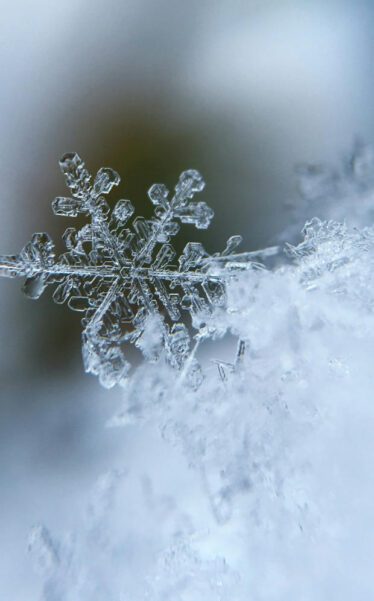
The mind reacts to color as if recognizing an old melody.
In the darkness of short days, we cling to every spark, as if within it lay the promise of another season.
Our minds change in winter. They become slower, more reflective, more intimate.
We hear the crack of ice, the echo of our footsteps, the whisper of wind against the windows of the soul.
And the cold not only hardens bodies—it hardens ideas. It makes us introspective, granting us a fertile silence where the deepest thoughts take root.
It’s sad—algorithms have learned to predict our gestures, our glances, even our wonder.
They remind us that, though machines can replicate landscapes and atmospheres, they can never fully reproduce the unpredictability of emotion, the spark of thought, or the rhythm of our sighs.

Yet nothing can anticipate what we feel when we see the light dance over snow.
Each flash of color is a returning memory.
In synthetic winters, the body no longer knows whether the light it receives comes from the sun or from technology.
But the soul knows the difference.
Natural light caresses; synthetic light strikes. Both awaken something within us—but in opposite ways: one invites silence, the other throws us into vertigo.
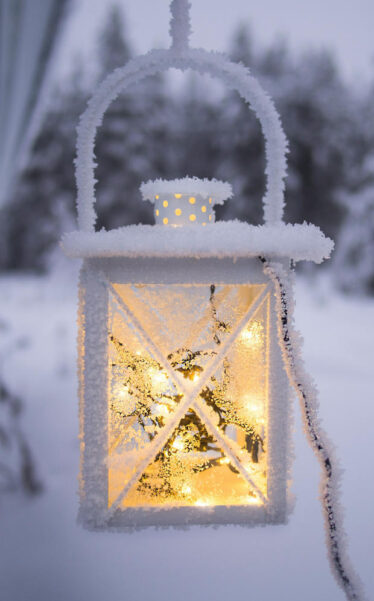
In the midst of synthetic winter, light becomes a promise. It reminds us that life still exists behind the cold.
Our memories blend with the perfection of frost—memories where a friend’s laughter seems pixelated, the hands of a loved one mere silhouettes of warmth we can never touch.
Memories where words dissolve into the air, as if algorithms knew too much about us—wanting to protect us from pain, or perhaps to steal from us the ability to feel it at all. Could it be that algorithms know our souls?
And the cold arrives first.
The cold has a curious way of altering memory.
It doesn’t erase it—but turns it translucent, as if each recollection breathed within a fogged crystal.
The cold doesn’t just inhabit the air—it settles into thought.
Sometimes we think we remember an embrace, but in truth, we remember the warmth that was missing.
On freezing days, memories mingle with the vapor of breath and the sound of ice breaking beneath our steps.
And then—a distant laugh.
An embrace we never wanted to let go of.
The cold becomes liquid memory, frosted, flowing through skin and mind.
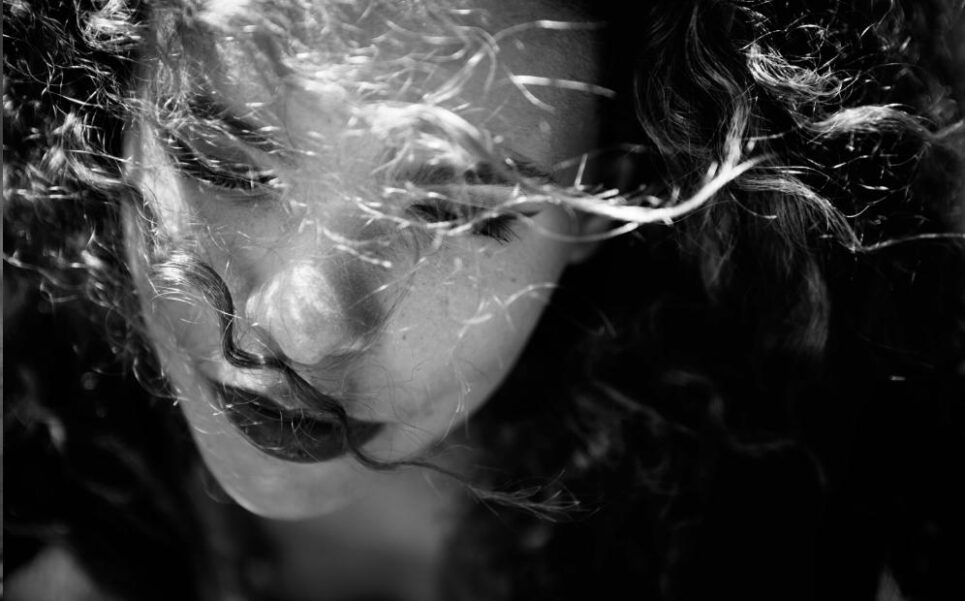
The cold preserves—like a silent archivist of the soul. Then, ice softens the outlines, and what was sharp becomes mist. We remember less the facts, and more the feeling of having lived them.
Perhaps that is why winters are so prone to melancholy—they return to us the echo of what once was.
A moment when memories are not fixed but shift shape, like steam rising from a hot cup.
In the end, the cold doesn’t erase memory—it reinvents it.
Synthetic winters are not real colds; they are emotional ones—algorithms replicating emotions and returning them amplified.
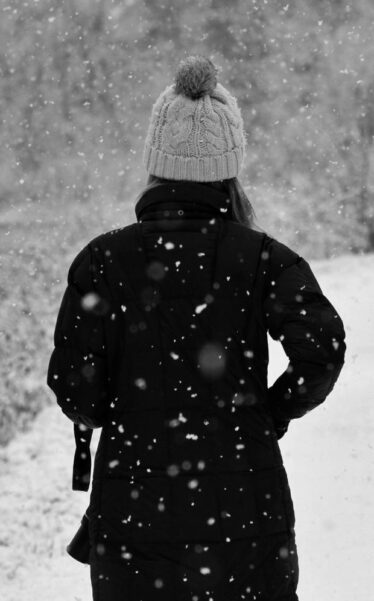
Algorithms that will seem to shape our days—marking us, dominating us, changing us.
Winter molds the mind as ice sculpts the river.
It teaches us to accept the ephemeral and understand that not everything blooms under the sun.
We walk through this landscape of artificial precision.
Every glimmer, every shadow, every calculated light reminds us of what it means to be human.
To be human is to be uncertain, imperfect, unprogrammable.
That is something no machine will ever understand.
It is like an artificial whisper—a cold not born from the sky, but from the mind of machines.
Still, we learn from them. They interpret our wonder, return beauty in predictable patterns—and we discover we can feel more deeply.
Silence is another kind of aurora. There is no noise—only data pulsing like our own hearts.
For in a synthetic winter, silence is not natural—it is calculated, measured, almost theatrical. There is no wind to carry leaves, no crunch of snow beneath our feet.
It is a silence that imposes itself—forcing us to listen to the inner voice as never before.
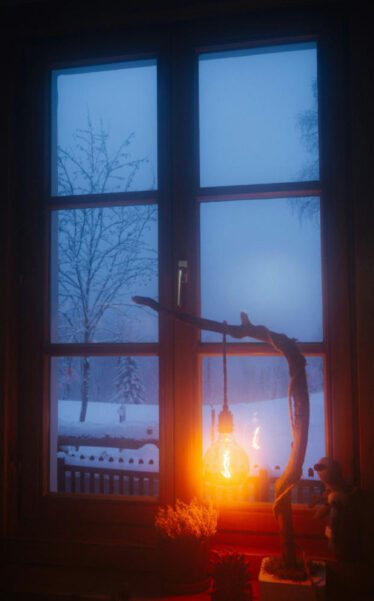
Thus, synthetic winters teach us to look carefully, to listen attentively, to perceive more intensely.
The cold reminds us of who we were; the light, who we can be; and the algorithms, how we are changing.
Our inner voice becomes an echo traveling through corridors of memory and desire—revealing who we were, who we are, and who we might yet become.
Each breath carries fragments of memory, as if the ice preserved moments—freezing laughter, embraces, and tears into crystals that glimmer under artificial light.
Every step taken on perfect snow is a poetic act.
Each glance at the coded sky is a question: What does it mean to be human when the artificial touches our most intimate emotions?
Finally, we understand—the cold is also memory. The Northern Lights, even when replicated, remain a miracle. And synthetic winters teach us that to feel—even among lights and codes—remains our most authentic act.