In a recently published study, it was shown how the development and corruption rates of a city could be analyzed through different factors. One of them is the number of problems Uber in Bogotá and other cities faces when starting operations in a new market.
Developed Cities and Uber
The most developed cities, known as important cosmopolitan centers and major urban areas around the world, have also been among the quickest to legalize and regulate Uber’s operations.
Meanwhile, cities known for high corruption rates and underdevelopment have faced all kinds of delays and problems when attempting to legalize the technology platform headquartered in San Francisco. They simply do not see it as a necessary or complementary means of transportation.
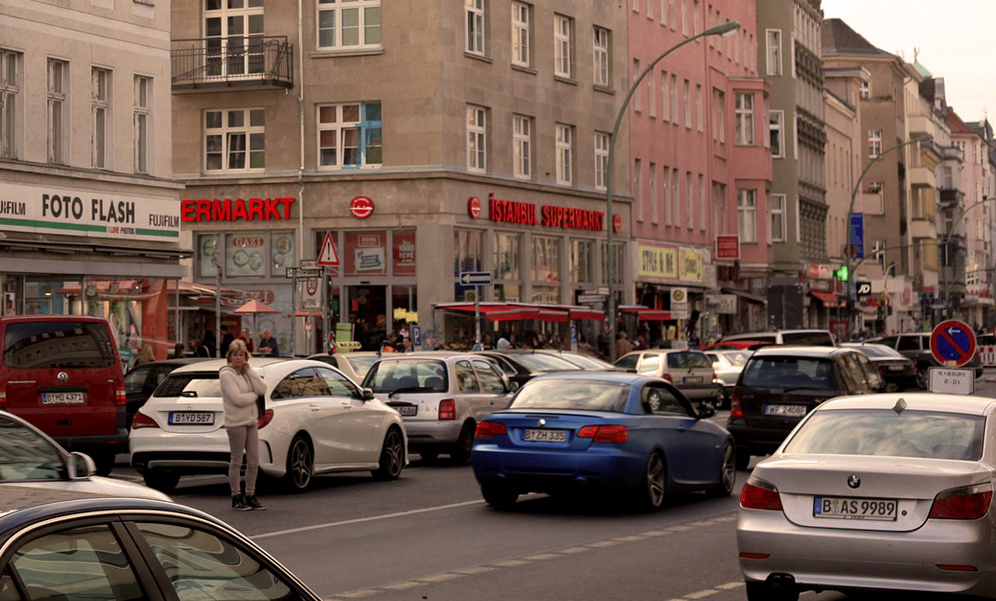
Developed and important cities such as London, Mexico City, São Paulo, and New York have made Uber an important ally in addressing transportation problems and improving urban mobility.
Their governments see the multinational company as an effective solution for the growing number of citizens looking for viable transportation alternatives.
In these places, Uber does not only coexist with taxis and other transportation companies. Different services can work together toward a common goal: providing citizens with better and more effective transportation alternatives.
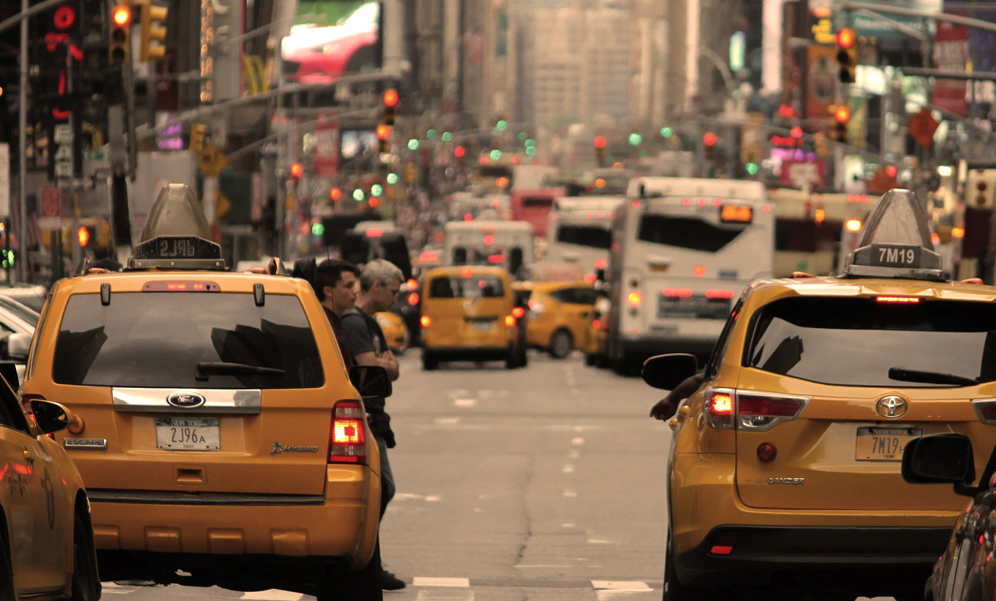
São Paulo and New York have also offered Uber helicopter services as an alternative during particularly congested periods. These cities recognize that traffic is a complex problem that often requires different solutions.
Uber in Bogotá: A Different Reality
Bogotá’s reality is very different. Since Uber began operating in the city, users have generally expressed satisfaction with the service.
They value having an effective, simple, controlled, and secure transportation option.
However, Uber in Bogotá has faced repeated obstacles from local authorities. The company has had to deal with regulatory challenges and opposition from taxi drivers and other public transportation sectors.
This trend has not been limited to Bogotá. Similar difficulties have appeared in other parts of Colombia.
The opposition became particularly evident when Uber was forced to stop operating after the government considered its service illegal. Authorities argued that the company did not fulfill the permits and licenses required to operate.
After a short period, Uber was able to resume its operations. At that point, the government announced plans to introduce legislation regulating Uber and other similar platforms that had emerged as the service became more popular.
The Challenges of Regulating Uber in Bogotá
There are several problems with this legislative process. First, creating this type of legislation takes time, and the process had not yet begun.
Another concern is the proposal to regulate these platforms as a luxury form of transportation. This could significantly increase the cost of the service.
Such a classification also contradicts the concept behind the company. Uber operates according to similar principles in different parts of the world.
Why should its model be changed in Colombia? And why should it be classified as luxury transportation when it is accessible to a broad segment of the population?
One of Uber’s main benefits is its accessibility. Even people who do not use the service can benefit from having additional transportation options available.
More alternatives can also help reduce pressure on the city’s existing transportation system.

In Bogotá and Colombia more broadly, public transportation services are concentrated among a limited number of companies. Strong labor unions also play an important role in the sector.
Cab companies operating in Bogotá are owned by two or three main owners. Three or four partnerships also control much of the bus business.
In general, the same groups dominate the sector.
It is understandable that established businesses do not want to lose income or influence. However, their resistance can make it difficult for more efficient and transparent services to enter the market.
Problems with the Taxi Industry
The real problem is not only the concentration of public transportation. It is the lack of competition can also affect the quality of service.
Without strong competition, there is less pressure to improve. Transportation companies can establish their own practices and operate according to informal rules.
For example, taxi drivers in Bogotá often ask passengers where they are going before deciding whether to accept the ride. In theory, drivers should accept passengers while they are working.
Taxi fares are another issue. Although the government regulates fares, drivers sometimes charge what they consider appropriate.
The official fare is calculated according to distance and the units recorded by a taximeter. However, passengers have questioned the reliability of these systems.
Drivers may use the taximeter to inform passengers of the amount they intend to charge. They can also refuse a passenger who is unwilling to pay a specific amount.
They may simply say: “Sorry, I’m not going that way.”
When drivers do accept a ride, some passengers may still be charged more than the established rate. Complaints can sometimes result in confrontations between drivers and passengers.
There are also concerns about driving behavior. Some drivers have pending traffic tickets and sanctions.
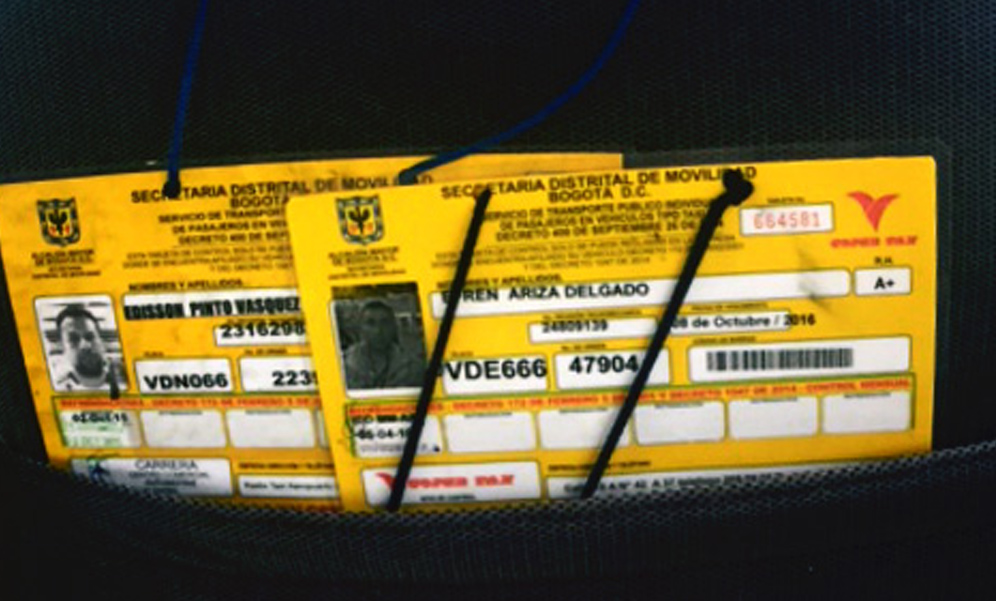
There are limited controls to determine whether drivers have pending legal processes or whether their licenses are fully in order.
In some cases, passengers are exposed to distracted driving. Drivers may listen to loud music, text, or talk on their phones while working.
These practices can create concerns about passenger safety and the quality of the service.
Uber in Bogotá: An Alternative to Traditional Taxis
On the other hand, Uber drivers are generally expected to provide a different customer experience.
They usually open the door for passengers, greet them politely, and ask about their preferred radio station or music.
While driving, they are expected to avoid using their phones. If they need to answer a call, they can use hands-free or wireless systems.
Some drivers may not know the city’s routes as well as traditional taxi drivers. In many cases, however, they have access to satellite navigation systems.
They can use these systems after stopping the vehicle safely.
Uber also conducts different studies and analyses of its drivers. When they join the company, drivers are tested on their driving skills.
They must also pass security checks. Their legal background is reviewed, and certain pending processes can prevent them from joining the platform.
If they have pending tickets or traffic sanctions, drivers can’t work.
Once they join the platform, drivers must also provide updated documents and complete the required tests.
These procedures are intended to help guarantee the quality and safety of the service.
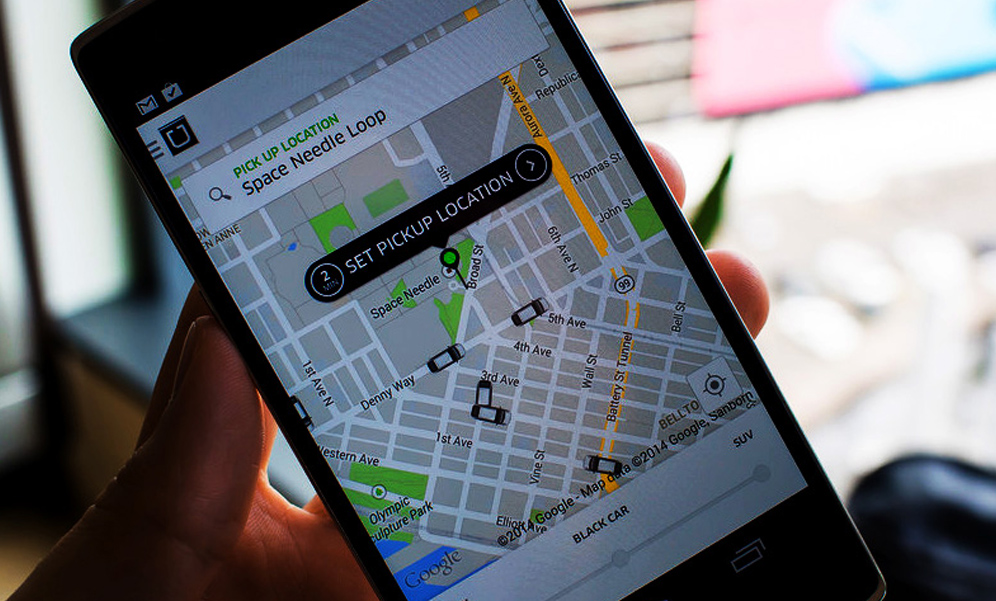
Uber rates are also unified and transparent for users. Passengers can know the estimated price of a ride in advance.
The price is calculated by the system according to the distance and other factors. The driver does not decide the final fare.
Once the passenger reaches the destination, the final price is shown. This makes it more difficult for the fare to be manipulated according to the driver’s preference.
Uber does not automatically charge more simply because a ride takes place at night or during a weekend. However, prices can increase when demand is particularly high.
Uber in Bogotá and Urban Mobility
In cities such as Bogotá, taxi availability can become uneven when demand increases.
During rush hours, finding an available cab can be difficult. Traffic jams can make the situation even worse.
Rain can also affect availability. Some drivers may decide not to work because of difficult traffic conditions.
Friday evenings can create another challenge. As the city becomes increasingly congested, some drivers may choose not to provide service.
With Uber, the platform uses different mechanisms to encourage drivers to remain available.
First, drivers can receive sanctions if they repeatedly reject services. Secondly, Uber can temporarily remove drivers from the platform if they fail to provide the service as required.
Uber also uses dynamic pricing to respond to changes in demand. When demand increases significantly, fares can rise.

The customer decides whether to accept the higher fare. The updated price is displayed before the ride is confirmed.
This system allows passengers to make an informed decision before requesting the service.
Transportation Challenges in Bogotá
The differences between Uber and traditional taxi services are evident, particularly in a city such as Bogotá.
The gap between the two services can be significant. However, Uber in Bogotá is not enough to solve the city’s broader transportation problems.
Uber can provide a complementary transportation option. Yet Bogotá needs stronger policies and government decisions to address its mobility challenges.
This is not only the government’s responsibility. Citizens also have a role to play.
They must monitor public decisions and demand better solutions for transportation and other civic issues.
Ultimately, Uber in Bogotá can be part of the solution. But improving transportation requires broader changes and a commitment to creating a more efficient, transparent, and accessible mobility system.