I was surprised to discover that many of the people who made some of the first films were women. However, times have changed. **Women in film industry** continue to face significant barriers when it comes to accessing positions of power and decision-making. The industry remains largely dominated by men, and the lack of women in hiring positions has contributed to a less diverse workforce.
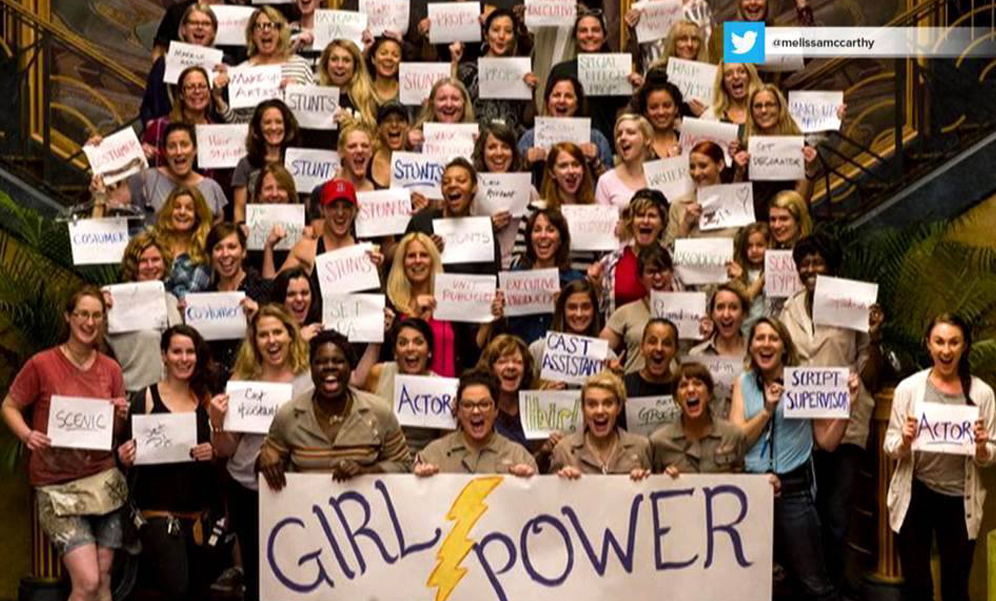
Women in Film Industry and Positions of Power
It is a fact that women in positions of power tend to hire other women. This is a change we urgently need.
It is essential to promote equal opportunities. We must also support creative projects and increase the visibility of women’s work in the industry.
Women are underrepresented in the film industry. The fight to showcase women’s work is one of the essential reasons why our festival exists.
There are several actions that can contribute to this change. One is increasing the visibility of women in the industry. It is also important to promote international communication and cooperation.
We also need to encourage new opportunities around the world. Developing innovative projects and initiatives can also help expand women’s participation in the industry.
One way to achieve this is by creating spaces where women can present their work.
Breakthroughs Film Festival: A Space for Women Filmmakers
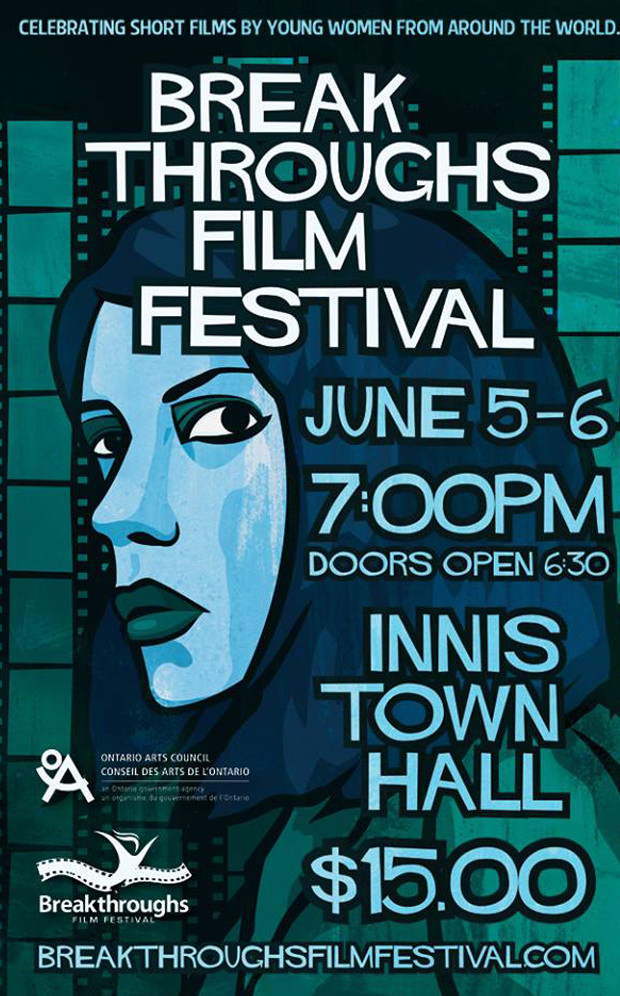
This is the case with Breakthroughs Film Festival, the only Canadian festival dedicated to short films made by women. The festival showcases films from all genres.
We had the incredible opportunity to speak with its team and learn more about this issue.
Solkes: What is the fundamental difference between this festival and other film festivals?
Gabor Petric, Executive Director at Breakthroughs Film Festival: Breakthroughs Film Festival is the only festival in Canada dedicated to showcasing short films made by the new generation of women in the industry. We present films from every genre, created by talented women from around the world.

Solkes: Why create a festival dedicated to women?
G.P.: We want young female directors to have the opportunity to present their work to the public. We also want them to participate in conversations about their films and the challenges they face in the film industry.
I loved this answer. The idea that a group of people came together several years ago to support women in the industry fills me with happiness and pride.
It has not been an easy journey. As always, obstacles have appeared. Being recognized as a platform for art requires a great deal of time and dedication.
It is important to highlight that the National Film Board of Canada (NFB) decided to invest half of the money allocated to production in films directed by women.
According to a report on women in the industry, between 2014 and 2014, only 17% of directors were women. Women also represented 22% of writers and 12% of producers in Canada.
A Systemic Barrier for Women in Film
However, both in front of and behind the camera, women’s careers seem to be several steps behind those of men.
For this reason, some of the most influential women in the industry are calling for greater diversity in film.
It is sad, but there seems to be a **“systemic barrier”** limiting women’s progress. This situation affects both creative fields and decision-making positions.
Making films is part of a highly competitive industry, one in which there are many stories but few people with the opportunity to tell them.
Women make up less than 20% of directors and 21% of screenwriters in the Canadian film industry.
Yet understanding the importance of a festival like this is more complicated than many people might think.
We all know that there are countless film festivals around the world. That is why I keep thinking about it.
Solkes: Why is it important to support young female directors and women in general within the film industry?
G.P.: Young female directors can feel that their voices are lost in the crowd. At times, this can break anyone’s heart. A person dedicates time, passion and energy to a project and then does not receive the support they need.
By creating a platform where young female directors can present their work, we are trying to encourage creativity. We also want to foster meaningful conversations about the problems they face in the industry.
Solkes: What are your immediate and long-term goals for the film festival?
G.P.: Year after year, we want to grow. We want the festival to be a place where promising talent within the film industry can be showcased.
Our central goal is to be a voice for art created by young women. We also want to be a destination for anyone who believes in and supports their work.
Solkes: In 2012, women represented 18% of people working in the industry, including directors, executive producers, producers, writers and others. Have you seen any change?
G.P.: I think we are living in a cultural space where conversations about women in the film industry have become more public and transparent.
Some powerful voices around the world have spoken about the problems women have faced in their respective film communities.
The struggles and imbalance are still very present. However, the more we engage in open dialogue, the better.
This creates awareness and opportunities for participation and change. Our goal is to be part of that conversation and offer our support in every way possible.
Solkes: How has the festival evolved over the past five years?
G.P.: One of the biggest changes within the festival has been its opening to international filmmakers and films.
In its earlier editions, the festival presented only local and Canadian work. Now it has opened up to the world, giving us the opportunity to showcase a much more diverse range of work.
Pioneering Women in the Film Industry
Many women began their careers in other areas of the film industry before making their directorial debuts.
A perfect example is Alice Guy-Blaché, considered one of the first female directors in film history. Her career began in France at Gaumont Film Company.
She directed her first film in 1896. After that, she directed the films produced by the studio until 1905.
For some reason, films directed by women were considered to have greater moral weight. So, if women had such a significant impact at the beginning of the industry, what happened afterward?
It is important to remember that the “director” is often considered a figure of authority. Just as in the military, many people could not conceive of a woman being in charge.
The film industry still insists on telling many of its stories from a male point of view.
Solkes: Do you think the film industry is sexist by definition?
G.P.: I think some systems that have given unfair advantages and excluded women have been in place for a very long time.
If we look only at statistics, the numbers do not reflect equality across the different areas of the film world.
Women have been underrepresented in these roles. That is why it is so important to hear the voices of women who participate in discussions about these issues.
Solkes: Why do people insist on presenting films from a male point of view?
G.P.: One could say that, systematically, a greater number of male filmmakers have had the opportunity to create and share their work.
This causes the balance to tilt toward the male perspective.
Solkes: What are your thoughts on the fact that there is deep and widespread discrimination in the stereotypes of women and girls portrayed by the international film industry?
G.P.: It is absolutely true. There are very negative representations of women in films around the world.
However, because of this, I think it is important to highlight work that shows something different.
To change negative stereotypes and patterns of representation, we should look for films and filmmakers that offer balanced and complex stories about women.
There is remarkable work around the world where we can find powerful and enriching perspectives.
Unfortunately, female representations with these characteristics can be harder to find. They certainly exist, and they have enormous value.
Solkes: Do you believe films directed by women are different from films directed by men?
G.P.: I think every film has a different director. Even the same director can change styles with each project they work on.
I do not believe there is inherently such a thing as a “female film” or a “male film.”
That is the beauty of this art. It is full of different points of view.
Solkes: What is the motivation behind the film festival?
G.P.: The motivation has always been to showcase the work of young female directors and their emerging talent.
We love watching these films. We want to share with audiences the search for new work and new voices.
Solkes: Why does the festival have this name?
G.P.: It refers to the struggles that women artists continue to face within the industry.
They represent a small fraction of directors and have to work even harder than their male counterparts to make their voices heard.
Solkes: What do you consider to be a great film?
G.P.: There are too many elements that can make a film great. What I can say with certainty is that a truly good film is worth watching.
Solkes: What can people expect from this year’s new edition of the film festival?
G.P.: I think audiences will see a wide selection of short films from local and international talent.
These films showcase a group of filmmakers whose names may not have appeared on large posters or been surrounded by accolades before.
However, that is part of the excitement. There is an opportunity to discover fresh and creative perspectives from young women whom we hope will continue making this kind of work.
Solkes: If there is a young woman out there who wants to make films and is reading this article, what would you tell her?
G.P.: If you have a story to tell, tell it. You must find a way to film your passions.
Creating art is one of the most amazing things we have as human beings. If you have the desire to create, be bold, do not censor yourself and bring your ideas to life.
And, of course, once you have done that, send it to our festival.
Women’s Creativity in the Film Industry
There are currently more men than women working in the film industry. This is not because women are not interested.
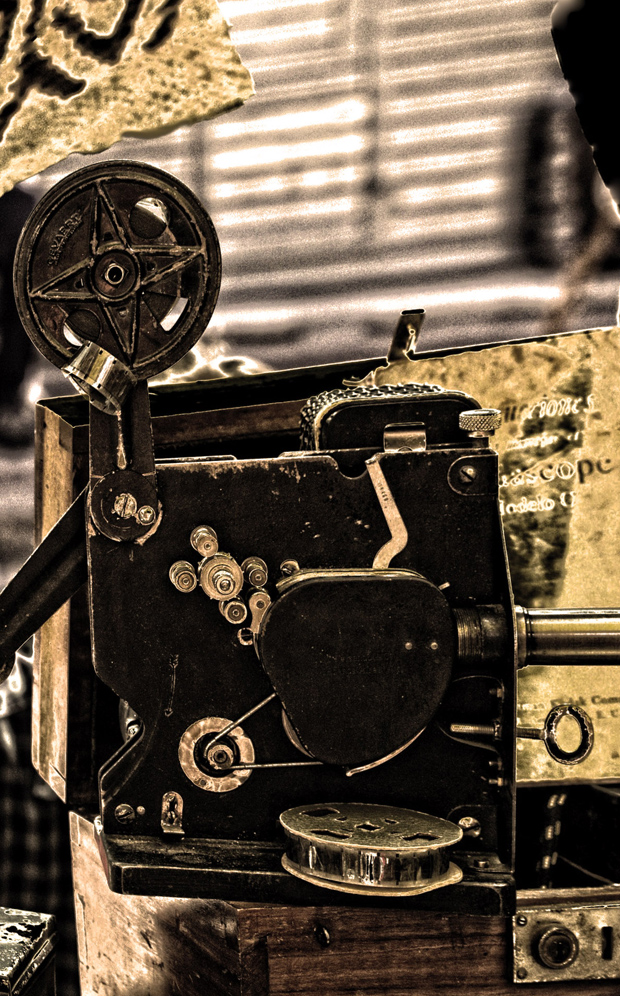
Women have been a fundamental part of the film industry since its origins. Across every format, from short films and documentaries to feature films and silent movies, women have influenced the development of cinema.
I think it is wonderful that people are talking about women in the film industry. I want to be part of that conversation.
We need to break this ridiculous pattern that repeats year after year without anything changing.
As a creative woman, I am glad that a film festival is opening a space for all of us. Thank you for breaking the lens. We are grateful for your collaboration and for believing in us. Above all, we are grateful that you have chosen to give women the opportunity to present their work to the world.