Medellín is a city that refuses to be captured by a single definition. Those who visit often leave with more than photographs. They leave with memories of the warmth of its people, the mild climate that seems eternal, the life that unfolds between mountains, and a cultural scene that has steadily forged its own identity over time. Yet the remarkable social transformation of Medellín is one of the most studied urban processes in Latin America and one of the reasons why the city attracts thousands of visitors every year.
But we cannot remain on the surface. Medellín is not a city that can be understood immediately. It must be walked.
There is something about the way it stretches across the Aburrá Valley, framed by the Andes Mountains, that compels visitors to look twice. This city is not simply located within the landscape—it is part of the landscape. Perhaps for that reason, it is a city that has been rewriting itself from within for decades.
Today, Medellín speaks with a different voice: more conscious, more diverse, more creative. A city that does not deny its history, but neither does it remain trapped by it.
Climate and the Social Transformation in Medellín
One of Medellín’s first gestures toward visitors is its climate. Its nickname, “The City of Eternal Spring,” is not merely a tourist slogan; it is a constant sensation of pleasant temperatures, soft light, and a way of life that never freezes.

That atmosphere explains part of its current appeal.
Today, Medellín is a destination that combines travel, everyday life, and long-term stays. Many people arrive for just a few days and end up imagining themselves staying much longer than planned.
It is important to understand that Colombia does not experience the succession of seasons and weather patterns familiar in many other parts of the world.
For that reason, the term “City of Eternal Spring” refers to the thermal sensation experienced throughout the valley.
Temperatures generally remain between 23°C and 27°C. This creates a sunny, bright, pleasant environment that feels particularly comfortable.
Yet what truly sustains Medellín’s magnetism is not only what is visible, but also what the city has built beneath the surface.
The Invisible Layers of the City
Before discovering its viewpoints, cafés, or vibrant neighborhoods, it is worth understanding that Medellín is a city built upon multiple layers of history.
In fact, many of the experiences that fascinate travelers today are the result of processes that began long before the city became an international destination.
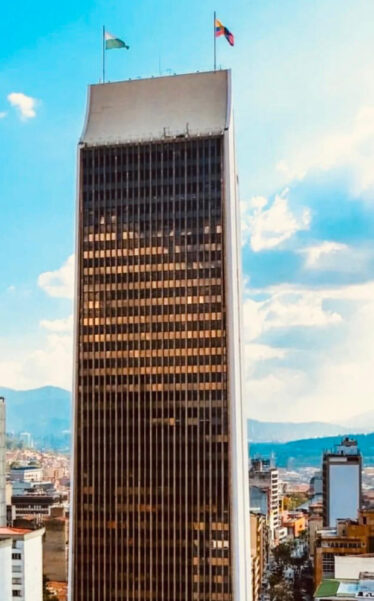
And to understand the city, one must first locate it.
Located in the heart of the Aburrá Valley, in the central range of the Andes Mountains, Medellín is the capital of Antioquia, Colombia’s second most populous city after Bogotá, and one of the country’s most important economic centers.
Yet beyond the statistics, Medellín is best understood through its historical depth.
For much of the twentieth century, it served as a major hub for the trade of gold, coffee, real estate, and manufactured goods. This commercial foundation eventually gave way to a strong process of industrialization that transformed the city completely.
Companies such as Coltejer (a textile company founded in 1907 by industrialist Alejandro Echavarría) and Fabricato (Fábrica de Hilados y Tejidos del Hato S.A., founded in 1920) marked the beginning of a textile era that turned Medellín into a national economic powerhouse. Tobacco, beverage, and coffee industries further contributed to this growth, attracting rural populations and consolidating a new urban working class.
The city grew, expanded, and filled with activity.
A City That Climbed the Hillsides
Observing Medellín from one of its viewpoints is enough to understand one of its most striking characteristics: the city appears to climb the mountains.
Homes stretch across the hillsides surrounding the Aburrá Valley, creating an urban landscape that is both impressive and complex. Behind that image lies a story of migration, accelerated growth, and profound social transformations.
During the mid-twentieth century, Medellín began expanding into the mountains surrounding it. What had once been a city concentrated on the valley floor gradually spread across the hillsides.
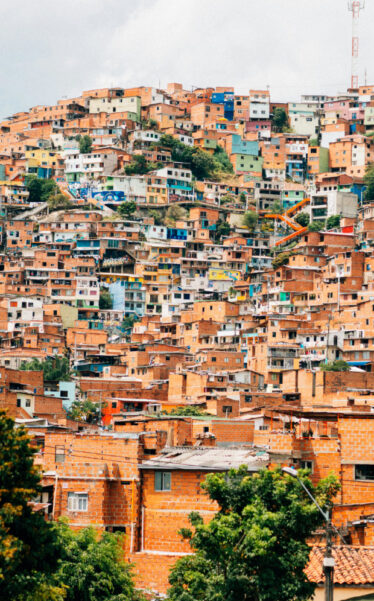
This growth was driven by families arriving from other regions of Antioquia in search of work and opportunity. Many found employment in the industries powering the local economy; others simply sought a better life in a city that seemed to promise progress.
The hillsides filled with neighborhoods, often built without formal planning. Meanwhile, the urban center was undergoing a rapid process of architectural modernization.
The city’s physical expansion advanced almost as quickly as its economic ambitions. New buildings, offices, and commercial spaces began redefining its skyline, projecting the image of a modern and prosperous Medellín.
However, this growth did not occur evenly. While some sectors benefited from industrialization and economic development, others remained excluded from those opportunities.
In practical terms, Medellín transformed from a town into a city in just a few decades. Its population doubled between 1965 and 1985, without the institutions and planning tools necessary to manage such rapid urban growth.
Inequality became increasingly visible in the territory itself. The mountains surrounding the city not only displayed their natural beauty but also revealed the social differences that were deepening between those participating in economic growth and those observing it from the margins.
Medellín was no longer simply an industrial city; it had become a complex metropolis marked by profound contradictions. Economic growth generated prosperity, but it also exposed social fractures that would eventually have much deeper consequences.
When the Model Began to Break Down
Every city experiences moments that redefine its course. In Medellín, one of those turning points arrived during the 1970s.
What had long been a story of industrial growth and economic expansion began to show signs of strain. The city that had prospered thanks to its factories and entrepreneurial dynamism was now facing challenges that would profoundly alter its social fabric.
Beginning in the 1970s, the development model that had driven Medellín’s growth started to reveal signs of exhaustion.
The textile and manufacturing industries, which had been the engine of the local economy for decades, lost momentum amid national and international economic transformations. At the same time, new financial and real estate activities began to gain prominence, reshaping the city’s productive structure.
The consequences arrived quickly. Unemployment increased, many families saw their opportunities diminish, and informal labor became an everyday reality for thousands of people. What had long been a city associated with industrial work began to experience a growing sense of uncertainty.
In this environment, crime found fertile ground. For many young people without access to education, employment, or social mobility, illegal economies started to appear as a possible alternative. First came smuggling; later, drug trafficking. What initially seemed like a marginal activity eventually infiltrated different sectors of economic and social life.
The crisis was not only economic. It was also a crisis of expectations. A city that had built much of its identity around industrial progress was beginning to confront a far more complex and painful reality.
A City Marked by Violence
Visitors arriving in Medellín today encounter a dynamic, creative, and vibrant city. Yet to understand the magnitude of its transformation, it is necessary to look at one of the most difficult chapters in its recent history. For several decades, Medellín was the setting for some of the most severe expressions of violence that affected Colombia.
During the 1980s and early 1990s, Medellín became one of the most visible epicenters of violence in the country. The consolidation of the Medellín Cartel, narco-terrorism, contract killings, and confrontations between criminal organizations and the state radically transformed urban life.
However, reducing those years to the figure of Pablo Escobar would oversimplify a much broader story.
Medellín was also one of the cities most deeply affected by the Colombian armed conflict and by what some researchers have called the urbanization of war.
Guerrilla groups, paramilitary organizations, criminal networks, and state forces operated at different times within the urban territory, turning numerous neighborhoods into contested spaces.
The consequences were profound. Thousands of families experienced displacement, loss, and the breakdown of community ties. Violence altered the way people inhabited the city, restricted movement between neighborhoods, and left visible and invisible scars that remain part of the collective memory today.
Understanding Medellín means acknowledging this history without reducing the city to it. The violent past remains present in many stories and urban spaces, but it also serves as the starting point for understanding the scale of the changes that would follow.
The City That Began to Rebuild Itself
What makes Medellín unique is not only that it endured a profound crisis, but also the way it chose to respond.
By the late 1990s, Medellín was trying to emerge from one of the darkest periods in its history.
In 1991, the city recorded 6,809 homicides. The violence experienced during that era had radically transformed the lives of its residents.
Change had to come, and the people of Medellín set out to rebuild their city.
The response did not come from a single institution or a single public policy.
It was the result of a collective effort involving local governments, community organizations, universities, businesses, and citizens.
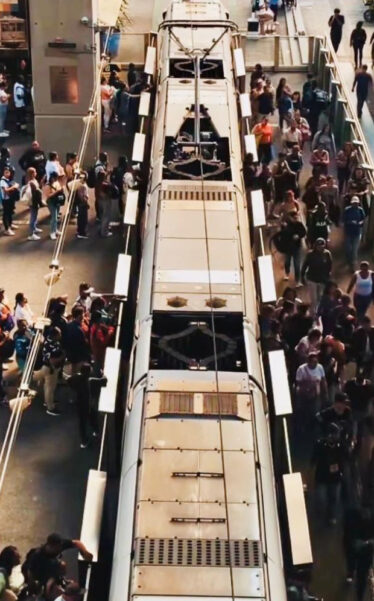
The strategy focused on intervening where historical inequalities had been most pronounced. Mobility became a tool for inclusion.
The Medellín Metro system ceased to be merely a means of transportation and became a symbol of citizenship and belonging.
Later, the Metrocable, Metroplús, and other infrastructure projects expanded that vision.
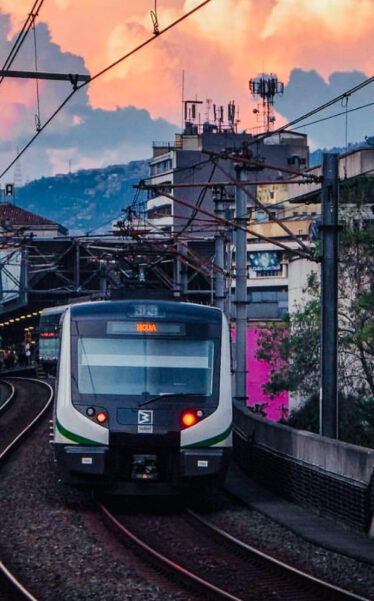
Historically isolated neighborhoods were connected to the rest of the city.
At the same time, transformation was supported by education, culture, and public space.
Libraries, parks, cultural centers, and community projects began occupying places where abandonment or institutional absence had once prevailed.
The Spain Library, located in one of the city’s most vulnerable areas, became an emblem of this new way of thinking about urban development.
More than a physical renewal, Medellín embarked on a process of social reconstruction.
The city understood that change could not be measured solely in kilometers of infrastructure or economic indicators, but also in its ability to rebuild trust, strengthen community ties, and create new opportunities for those who had long remained on the margins of development.
Art as a Driver of Social Transformation in Medellín
Today, it is impossible to walk through Medellín without encountering artistic expressions in plazas, on walls, in transport stations, or in cultural centers. Art is part of the urban landscape, but it is also part of the ongoing conversation the city maintains with its own history. Few places illustrate this more clearly than the neighborhoods where artistic creation became a tool for rebuilding collective memory.
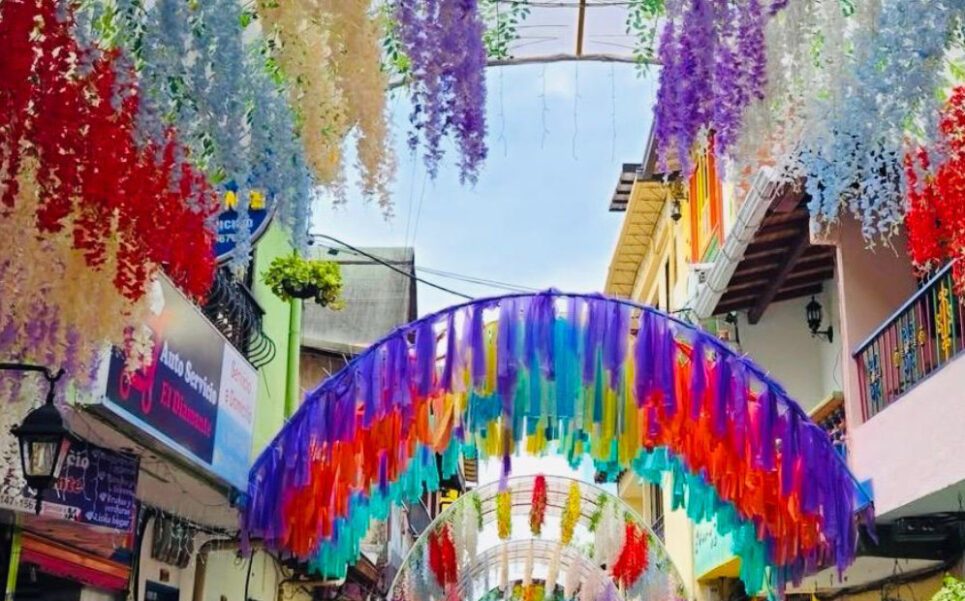
Within this same process of transformation, urban art began to occupy a central role in shaping a new narrative for the city.
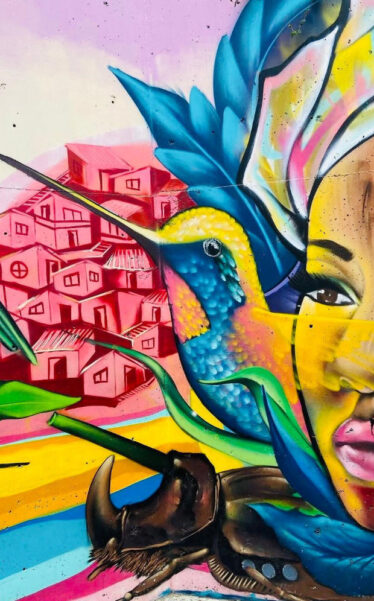
Comuna 13 is covered with murals, while music and cultural interventions are far more than decorative elements: they function as a living memory. Every painted wall, every guided tour, and every artistic performance tells fragments of a story marked by violence, but also by resilience and the capacity for community rebuilding.
Tourism came later, but the story was already there. And it remains there today.
Local artistic collectives have transformed the streets into open-air galleries. Graffiti, hip hop, breakdance, and rap form part of a cultural movement that has found in public space a tool for dialogue about identity, memory, and the future. Urban artists such as Chota13 have helped consolidate a distinctive aesthetic that blends art, social commentary, and community participation.
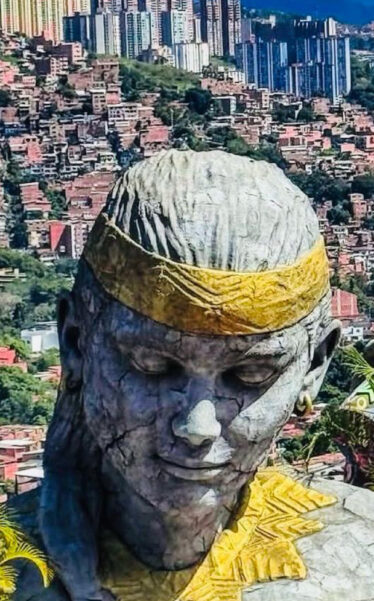
Beyond Comuna 13, Medellín is home to a diverse and constantly evolving artistic scene.
Hundreds of independent spaces, contemporary galleries, and urban art festivals coexist with iconic institutions such as the Museo de Antioquia, where the works of Fernando Botero engage in dialogue with new generations of creators.
The city has also seen the emergence of projects that explore memory through different disciplines.
Documentary photography collectives, community art initiatives, and performance groups work in neighborhoods historically affected by conflict, using artistic creation as a tool for reflection and connection.
In Medellín, art is not confined to museums.
It is found in the streets, on bridges, on the outdoor escalators of Comuna 13, at independent music festivals, and in cultural spaces that have emerged in former territories of exclusion.
More than an aesthetic expression, it has become a way of inhabiting the city and imagining possible futures.
Must-See Places to Discover Medellín
After understanding part of the history that has shaped the city, it is time to explore it. Medellín offers experiences for those seeking art, nature, gastronomy, architecture, or historical memory. Some places help visitors understand its past, while others reveal the energy of a city that continues to reinvent itself.
Although urban transformation is a fundamental part of Medellín’s identity, the city also offers spaces that allow visitors to understand it from different perspectives.
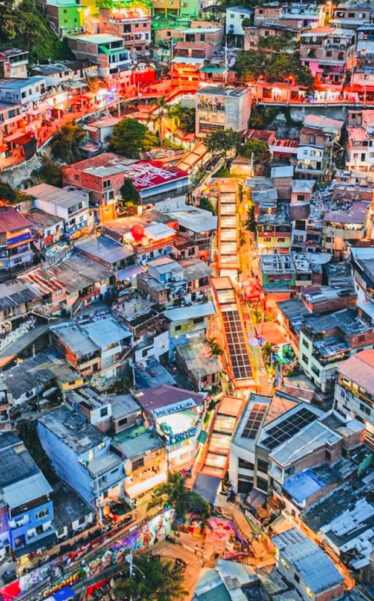
One of the most significant places to visit is Comuna 13, one of Medellín’s 16 districts and one of the areas that best reflects the city’s remarkable capacity for transformation.
For years, it was considered one of the most dangerous areas in Colombia due to the presence of armed groups and the violence that shaped the daily lives of its residents. Today, it has become an international reference point for community-based tourism and urban art.
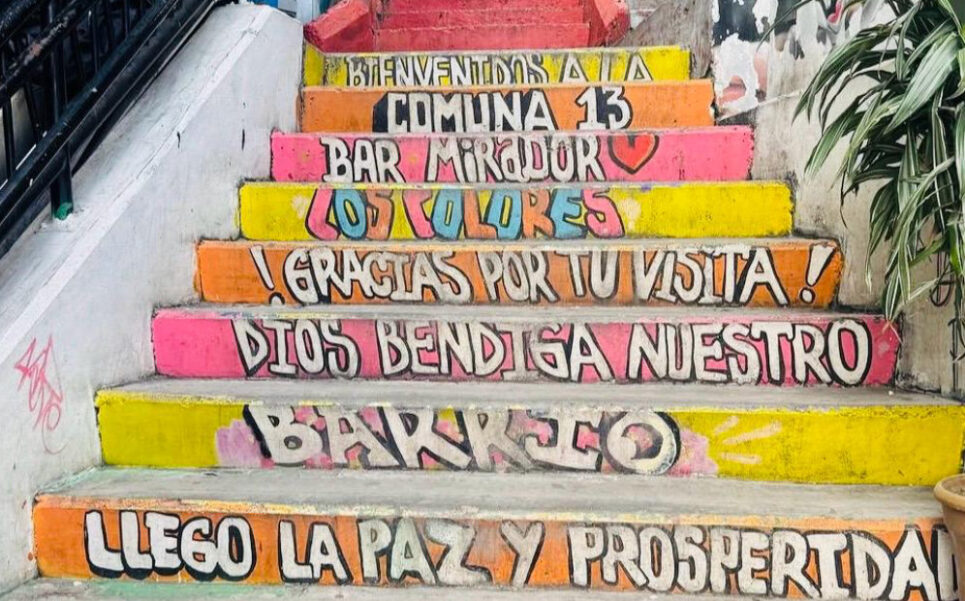
Walking through its streets is about much more than admiring colorful murals. The graffiti tells stories of violence, resistance, memory, and hope. Many of the works have been created by local artists who use art as a tool to preserve the neighborhood’s history and strengthen community ties.
Visitors can take guided tours led by community residents, discover cultural projects organized by young people, enjoy breakdance performances and urban music, and ride the famous outdoor escalators that have become one of the symbols of Medellín’s urban renewal.
Beyond the photographs, the true value of the experience lies in listening to the voices of those who lived through the most difficult years and became protagonists of the neighborhood’s transformation.
Located in the heart of Medellín, Plaza Botero is one of the city’s most iconic public spaces.
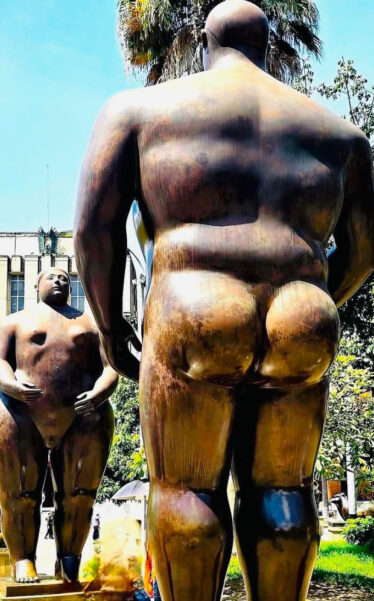
Covering nearly 7,000 square meters, the plaza functions as a vast open-air gallery where residents and visitors mingle daily among some of the most recognizable works of Colombian art.
Here, visitors can admire 23 monumental sculptures donated by Fernando Botero, Colombia’s most internationally renowned artist. His oversized and exaggerated figures depict people, animals, and everyday scenes that invite viewers to see the world from a different perspective.
For many visitors, walking through the plaza becomes a playful experience. It is common to see people posing next to the sculptures, examining the details of each piece, or simply enjoying the lively urban atmosphere that characterizes this historic part of Medellín.
The plaza also provides an opportunity to discover some of the city center’s most representative buildings and serves as a starting point for exploring nearby cultural attractions.
Directly across from the plaza stands the Museum of Antioquia, an essential stop for anyone wishing to delve deeper into Colombia’s artistic and cultural history.
The building, which once served as the Municipal Palace, was the first museum established in the department of Antioquia and the second in all of Colombia. In 1995, it was declared a National Monument.
Its collection houses hundreds of works by Fernando Botero, making it the location with the largest concentration of the artist’s work anywhere in the world. However, the experience extends far beyond Botero.
The permanent and temporary galleries allow visitors to explore different periods of Colombian and Latin American history through painting, photography, sculpture, and contemporary art. Many exhibitions address themes related to memory, identity, social conflicts, and the country’s cultural transformations.
For families traveling with children, both Plaza Botero and the museum are particularly appealing. The sculptures immediately spark curiosity through their exaggerated and expressive forms, while the museum’s educational activities provide an accessible and entertaining introduction to art.
Together, these two spaces help visitors understand a fundamental dimension of Medellín: a city that has transformed itself not only through infrastructure and innovation, but also through culture, art, and collective memory.
From the Urban Landscape to Nature
One of Medellín’s greatest contrasts is how easily visitors can move from the urban environment into nature.
For those seeking this connection with the natural world, Arví Park offers ecological trails, farmers’ markets, and privileged views of the mountains surrounding the city.
Arví Park is located in the eastern mountains that encircle Medellín. It is an extensive ecological reserve featuring hiking trails, local markets, and activities related to biodiversity.
The park covers 16,000 hectares, of which 1,760 hectares are preserved natural forests in excellent condition. It also offers 54 kilometers of trails designed to facilitate exploration and hiking.
Part of the experience involves reaching the park via the Metrocable, a journey that provides some of the most spectacular views of Medellín as it climbs the slopes of the valley.
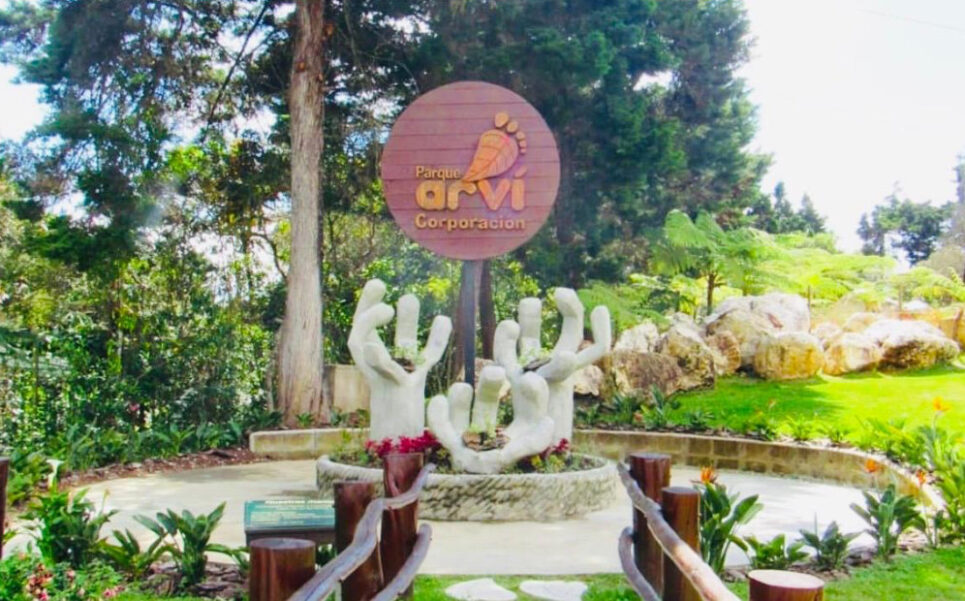
For families, it is one of the city’s most highly recommended destinations. The trails are accessible, there are picnic areas, and children can discover Colombia’s natural richness up close without the need for long excursions.
Another iconic destination is Pueblito Paisa, located atop Cerro Nutibara. Although it recreates a traditional Antioquian town square, its greatest attraction is the panoramic view over the Aburrá Valley.
The real highlight is the scenery. From this vantage point, visitors can contemplate much of the Aburrá Valley and gain a better understanding of Medellín’s scale as a city surrounded by mountains.
It is an especially pleasant visit for families because it combines short walks, open spaces for children, and opportunities to sample local cuisine while enjoying the landscape.
Also worth visiting is Medellín’s Botanical Garden, an urban oasis where visitors can discover part of Colombia’s extraordinary biodiversity without leaving the city.
Located in Comuna 4, Aranjuez, it features a living collection of more than 1,000 species and 4,500 individual plants.
The Joaquín Antonio Uribe Botanical Garden is one of the most enjoyable places for those seeking a peaceful break from the pace of urban life.
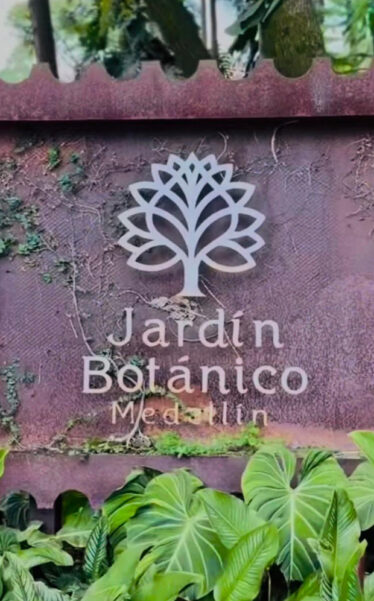
With more than 14 hectares of green space, it is home to hundreds of plant species, themed gardens, lakes, and walking paths.
Its most famous structure is the Orquideorama, an impressive architectural design inspired by natural forms that has become one of Medellín’s contemporary landmarks.
This is an ideal place for connecting with nature. Beyond its diversity of spaces, its accessibility is particularly noteworthy, as it is located in an area of significant cultural importance and high public activity.
Families often find it to be the perfect place to relax, stroll, and observe birds, butterflies, and tropical plants. Admission is free, making it an excellent choice for spending either a morning or an entire afternoon.
For those traveling with children, it is probably one of the most highly recommended attractions in the city.
Explora Park is an interactive museum dedicated to science, technology, and innovation. It features hundreds of hands-on experiences, experiments, and activities designed to spark curiosity among visitors of all ages.
One of its main attractions is the largest freshwater aquarium in South America, where visitors can observe species from a variety of Colombian ecosystems.
The concept achieves something unusual: transforming learning into an enjoyable and engaging experience for both children and adults.
Medellín Through Its Flavors
We all know that aromas and flavors can reveal the essence of a place. In Medellín, cuisine functions as an extension of Paisa culture: generous, diverse, and deeply connected to the rural traditions of Antioquia. Sitting down at the table is another way of understanding the city’s history and the people who inhabit it.
Getting to know Medellín also means sharing a meal. Paisa cuisine reflects the agricultural and rural history of the region, characterized by hearty dishes and flavors closely tied to the land.
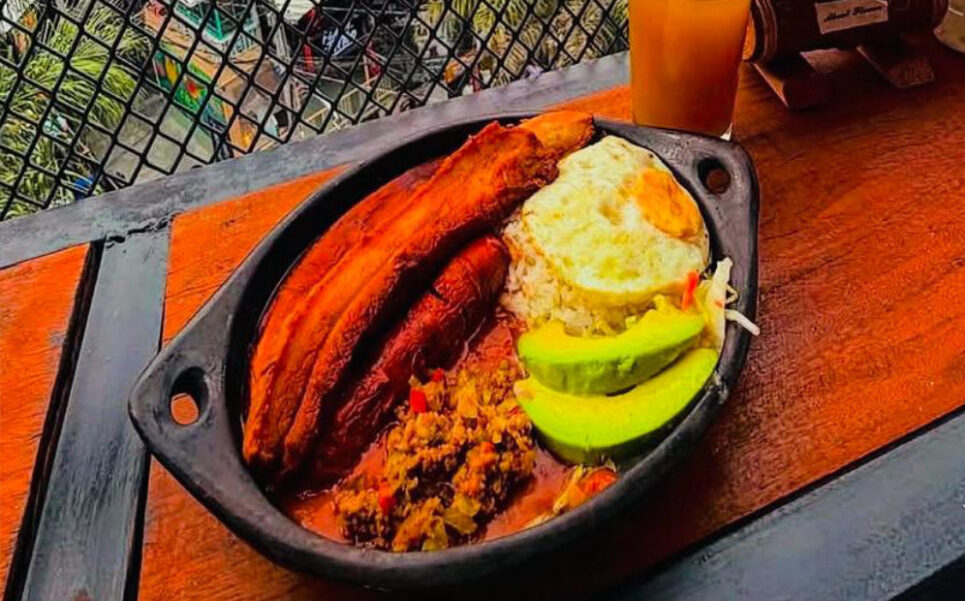
The undisputed star is the Bandeja Paisa, considered one of Colombia’s most representative dishes. Beans, rice, ground beef, pork crackling, egg, avocado, arepa, and plantain come together in a meal that is as substantial as it is symbolic of Antioquian identity.
However, Medellín offers much more than this iconic classic. Arepas de chócolo, empanadas, buñuelos, and pandebono are part of the city’s daily life and can be found in small family-owned establishments, food markets, and traditional cafés alike.
In recent years, the city has also developed a contemporary culinary scene that combines tradition and innovation. Neighborhoods such as El Poblado and Laureles are home to some of the country’s most interesting restaurants, where local chefs reinterpret traditional ingredients through a modern lens.
Like the city itself, Medellín’s gastronomy is a constant blend of memory and innovation, rural roots and contemporary creativity.
Coffee Culture: An Essential Experience in the Social Transformation in Medellín
Few beverages are as closely linked to Colombian identity as coffee. Although the major coffee plantations are located in the mountains surrounding Medellín, the city has become an excellent starting point for discovering coffee culture, understanding its production processes, and tasting some of the country’s finest specialty coffees.

To speak about Medellín is also to speak about coffee. While the vast coffee landscapes are found in the municipalities surrounding the city, the capital of Antioquia has become a meeting point for those eager to discover the richness of one of Colombia’s most emblematic products.
In the traditional neighborhood of Aranjuez lies Café Kirón, a space that combines gastronomy, history, and coffee culture. More than a café, it offers an immersive experience that takes visitors on a journey through the history of coffee, from its earliest cultivation in Africa to its expansion through Turkey and Latin America.
The establishment works with its own coffee brand and offers a variety of brewing methods that allow visitors to appreciate the nuances and aromas of different origins. Its gastronomic offering complements the experience with an internationally inspired menu that combines contemporary recipes with local ingredients.
For those wishing to delve deeper into the world of specialty coffee, another highly recommended stop is El Laboratorio del Café. Founded in Medellín in 2008, the project was created to strengthen the local coffee industry and connect consumers with the work of the farmers who cultivate coffee beans in the mountains of Antioquia.
More than a roasting and distribution company, El Laboratorio del Café serves as an educational space where visitors can understand every step behind a cup of coffee, from cultivation and harvesting to roasting and final preparation.
Guests can tour its experiential facility in Aguacatala or enjoy a coffee break at its location inside the Museum of Antioquia, an ideal combination for those wishing to connect art and gastronomy in a single outing.
The experience continues in Medellín’s historic center, particularly in the La Candelaria district, where traditional coffee houses coexist alongside newer specialty cafés. There, among historic buildings and lively public squares, visitors can discover how coffee remains an essential part of the city’s cultural identity.
Social Transformation in Medellín Continues
Perhaps one of Medellín’s most fascinating characteristics is that it never seems finished.
Unlike many cities that build a fixed image and maintain it for decades, Medellín remains in a constant process of reflection and reinvention. The city has learned to live with its contradictions, to confront its past honestly, and to continually ask itself what it wants to become in the future.
This capacity for self-examination has been one of its greatest strengths.
For decades, Medellín was internationally known for violence, drug trafficking, and urban conflict. Yet reducing the city to that narrative would ignore the enormous collective effort that has transformed many of its spaces and created new opportunities for thousands of people.
Social innovation, investment in education, the recovery of public spaces, the expansion of transportation systems, and the strengthening of cultural initiatives have been some of the tools used to build a different city.
But Medellín is not a complete success story, nor is its transformation finished.
Inequality remains a significant challenge. Economic gaps persist between different sectors of the city, and debates continue around gentrification, housing accessibility, employment opportunities, and urban sustainability.
That is precisely why Medellín’s social transformation is so compelling. It is not presented as a finished achievement, but as an ongoing process that continues to evolve.
It can be seen in neighborhoods that continue to develop community projects. A transformation can be seen in young people who use art as a form of expression and change. It can be seen in entrepreneurs creating new opportunities and in communities that continue preserving memory while imagining different futures.
The city keeps changing because its residents remain actively involved in that transformation.
And perhaps that is one of the most valuable lessons Medellín offers the world: the ability to reinvent oneself does not come from forgetting the past, but from learning to live with it while building new possibilities.
Medellín as an Experience
Walking through Medellín today means moving through different layers of time simultaneously.
In a single day, it is possible to pass through traditional neighborhoods, use transportation systems that have been studied internationally, admire monumental works of art, listen to stories of community resilience, and end the afternoon watching the lights gradually illuminate the mountains surrounding the valley.
The past has not disappeared. It remains present in the collective memory, in the stories of those who lived through the most difficult periods, and in places that still bear traces of that history. Yet it coexists with new ways of understanding the city.
Modernity is in constant dialogue with memory. Nature continues to define the urban landscape. And daily life unfolds between these two worlds.
Perhaps that is why Medellín is so difficult to capture in a single image.
It is not only the city of Fernando Botero. Nor is it simply the city of urban innovation, eternal spring, or social transformation. It is a combination of all these stories and many others that coexist simultaneously.
It is a city that offers music that stays with you in every corner. Its gastronomy that blends tradition and innovation. It has public spaces designed for encounter and connection, and it possesses a deeply rooted local identity combined with an increasingly international outlook.
But above all, it has its people. They are ultimately what defines the experience of those who arrive for the first time.
The warmth with which visitors are welcomed, the willingness to share stories, and the pride with which residents speak about their city often become some of the most lasting memories of the journey.
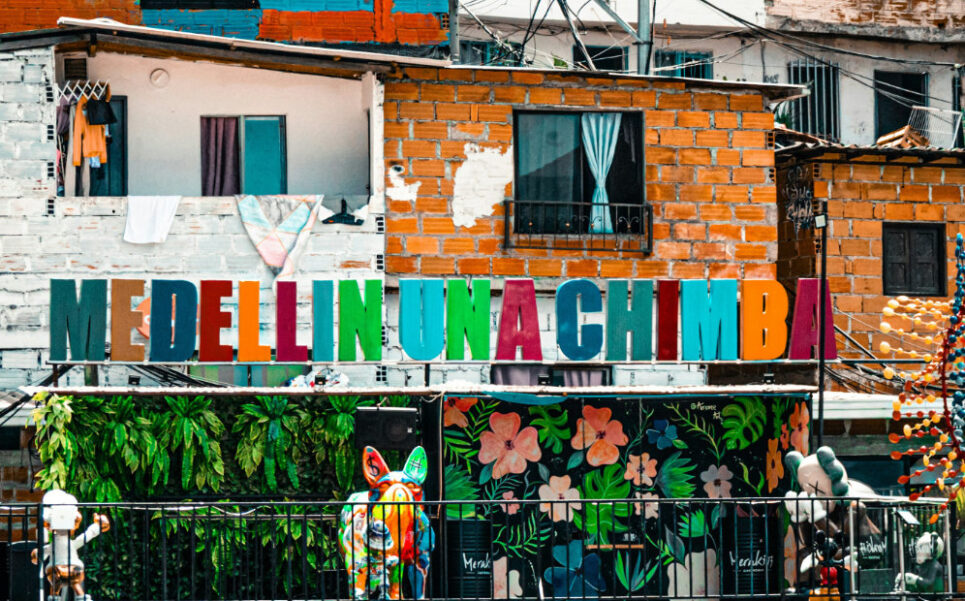
In the end, Medellín cannot be reduced to a monument, a museum, or a list of must-see attractions.
The city reveals itself through walking, listening, and observing how memory, innovation, nature, and everyday life coexist within the same space.
It is an experience that goes far beyond postcards. Perhaps that is why so many travelers leave with a completely different image from the one they had before arriving.
Medellín is not simply visited. It is understood gradually. And once that happens, it ceases to be merely a destination and becomes a story that continues to accompany the traveler long after returning home.