In Chicago’s vibrant and bustling West Side lies a hidden gem, offering a refreshing retreat from the fast-paced urban environment.
The Garfield Park Conservatory, one of the largest and most stunning conservatories in the United States, invites visitors into a world of lush greenery, architectural beauty, and educational opportunities. It has more than 80 acres, it provides a sanctuary for plant enthusiasts, families, and anyone seeking a peaceful moment to reconnect with nature.
With its diverse collection of plants, rich history, and community-focused programs, the conservatory stands as a testament to both the beauty of the natural world and the human desire to preserve and celebrate it.
A Botanical Paradise
Upon entering the Garfield Park Conservatory, visitors are greeted by an impressive array of tropical plants, succulents, ferns, and other botanical wonders.
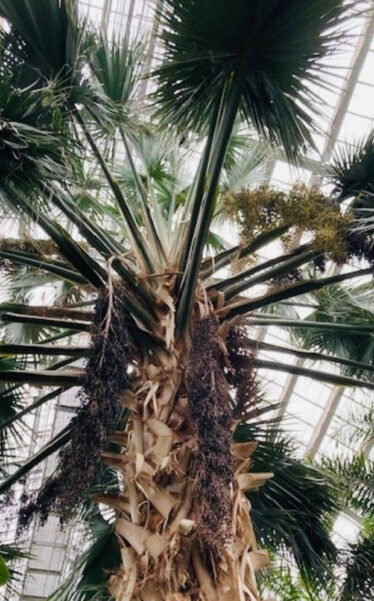
The conservatory is divided into themed gardens and greenhouses, each offering a unique, immersive experience:
** The Palm House: This lush tropical paradise boasts towering palms, vibrant orchids, and exotic ferns that transport visitors to distant rainforests.
The Palm House, a magnificent glass-domed structure standing 65 feet tall and spanning over 90 feet in diameter, was designed to evoke the feeling of stepping into a rainforest. Sunlight floods the dome, nourishing the tropical plants and giving visitors the sense of being immersed in nature.
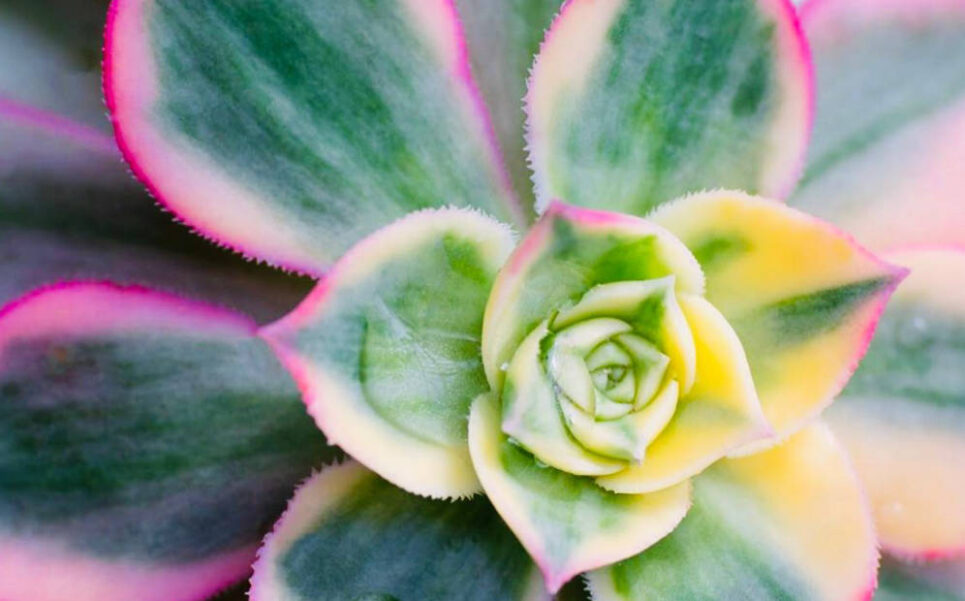
** The Desert House: In contrast to the Palm House, the Desert House presents a stunning collection of cacti, succulents, and other drought-resistant plants.
This space mimics a desert landscape with rocky terrain and sun-baked sands, offering a glimpse into some of the world’s most resilient plant life.
** The Fern Room: A walk through the Fern Room feels like stepping into a prehistoric wonderland, where ancient ferns and mosses thrive amidst cascading waterfalls and serene streams.
This room, with its moss-covered rocks and dense greenery, mimics the wild, untamed beauty of ancient forests, offering a tranquil, immersive experience.
Architectural Splendor
Beyond the incredible diversity of plant life, the Garfield Park Conservatory is celebrated for its stunning architectural design.

It was conceived in the early 20th century by visionary landscape architect Jens Jensen, the conservatory is a masterwork of form and function.
Its iconic sweeping glass domes and intricate ironwork are examples of architectural grandeur from a bygone era.
Jensen’s design philosophy embraced natural, organic shapes over the rigid, symmetrical styles of earlier conservatories.
This approach is evident in the flowing pathways, the use of natural materials, and the carefully curated plant groupings that mimic natural ecosystems.
The Palm House, with its towering glass panes supported by ornate iron frameworks, exemplifies the blend of function and beauty.
This light, airy atmosphere creates an elegant space that is both durable and aesthetically pleasing.
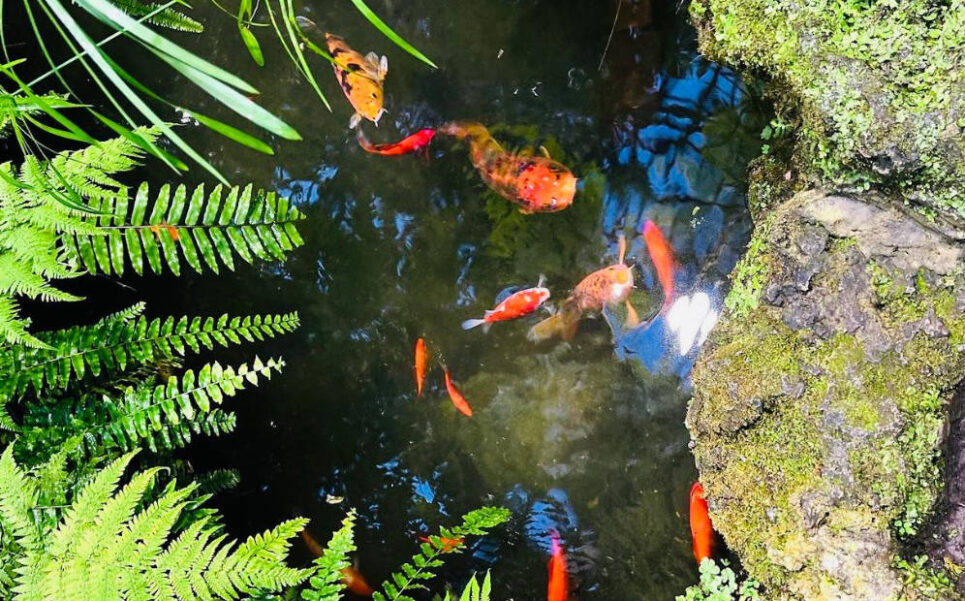
The Fern Room also stands as an architectural highlight, designed by Jensen to transport visitors back to prehistoric times, seamlessly integrating the built environment with nature.
Jensen’s vision of “landscape art under glass” has been meticulously preserved and restored over the years. This has allowed future generations to appreciate both the natural and architectural wonders of the conservatory.
Community Engagement and Outreach
The Garfield Park Conservatory plays a vital role in fostering community engagement and outreach, acting as a cultural and social hub for Chicago. It hosts a wide array of events, festivals, and celebrations that bring together residents and visitors from across the city.
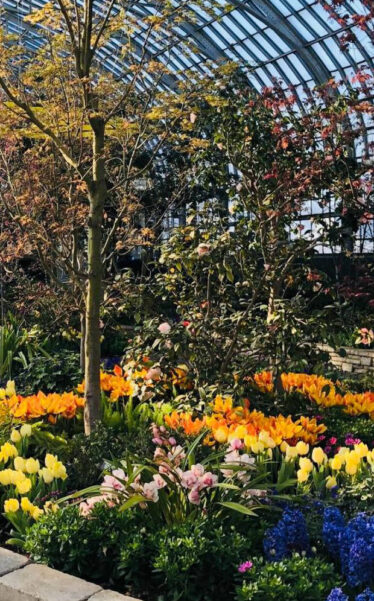
From neighborhood clean-up initiatives to volunteer programs, the conservatory nurtures a sense of community pride and environmental stewardship.
Its hands-on gardening volunteer programs allow community members to participate in the upkeep of the gardens, gaining practical experience while contributing to the beauty and sustainability of the space.
Volunteer docents offer guided tours and educational information, enhancing visitors’ understanding of the botanical collections and the history of the conservatory.
The conservatory is extremely proud of taking part in neighborhood beautification projects like the tree planting programs and the public space clean-up efforts.
The beautification and environmental care projects have revitalized parts of the surrounding community, helping to transform once-neglected areas into thriving green spaces.
These efforts also improve the quality of life for residents by providing cleaner, more inviting public spaces, which can have positive ripple effects on mental health and community cohesion.
The conservatory also provides educational programs for children, with hands-on activities such as seed planting, nature-based crafts, and interactive tours that introduce younger visitors to the wonders of plant life and ecology.
The conservatory fosters environmental responsibility and instills a sense of pride in the local community.
Overall, the Garfield Park Conservatory has become more than just a botanical garden.
Through its various programs, the conservatory has strengthened local pride, taught eco-friendly practices that are easily integrated into daily life, improved mental and physical health, and created an inclusive space where residents from different backgrounds and walks of life can share experiences and learn from one another.
Conservation and Sustainability
As a dedicated steward of the environment, the Garfield Park Conservatory emphasizes conservation and sustainability. Its staff works tirelessly to protect endangered plant species, restore natural habitats, and promote eco-friendly practices.
The conservatory leads by example, implementing sustainable techniques such as composting, water conservation, and organic gardening.
Through these initiatives, the conservatory fosters a culture of sustainability, encouraging a deeper connection to the natural world and promoting long-term ecological health in the surrounding community.
Committed to preserving the environment, the conservatory employs sustainable techniques such as composting, water conservation, and organic gardening. By utilizing rainwater harvesting systems and drip irrigation, the conservatory minimizes water usage while maintaining its lush gardens.
This focus on sustainability not only reduces the conservatory’s ecological footprint but also serves as a model for visitors to adopt similar practices in their own lives.
A Sanctuary of Natural Beauty and Learning
The Garfield Park Conservatory is more than just a place to admire plants—it’s a living, breathing sanctuary of natural beauty, a center of education, and a pillar of community connection in the heart of Chicago.
Whether you’re seeking an escape into a world of verdant greenery, eager to learn about the natural world, or simply looking for a peaceful day surrounded by the wonders of nature, the conservatory offers an inviting refuge from the urban hustle.
With its timeless charm, dedication to sustainability, and inclusive community engagement, the Garfield Park Conservatory continues to be one of Chicago’s most beloved cultural landmarks—a place where visitors of all ages can explore, learn, and connect with the beauty of the natural world.