Europe is no longer just a geographic continent. It is debated in parliaments, lived in the streets, and decided at the ballot boxes. Political polarization, migration, and historical memory are transforming European identity, and each change reflects how Europeans relate to their past and their future. Additionally, international conflicts, the climate crisis, and recent economic challenges amplify these tensions, making every political decision directly impact citizens’ daily lives.
Political polarization and its impact on European identity
The first thing to understand is that political polarization has become one of the most visible factors in European public debate. We are not just talking about ideological differences between parties. We are also talking about opposing visions of the continent’s future.
In this context, European identity becomes a contested space. Political decisions, public discourse, and election results show how different forces attempt to define what it means to belong to Europe today.
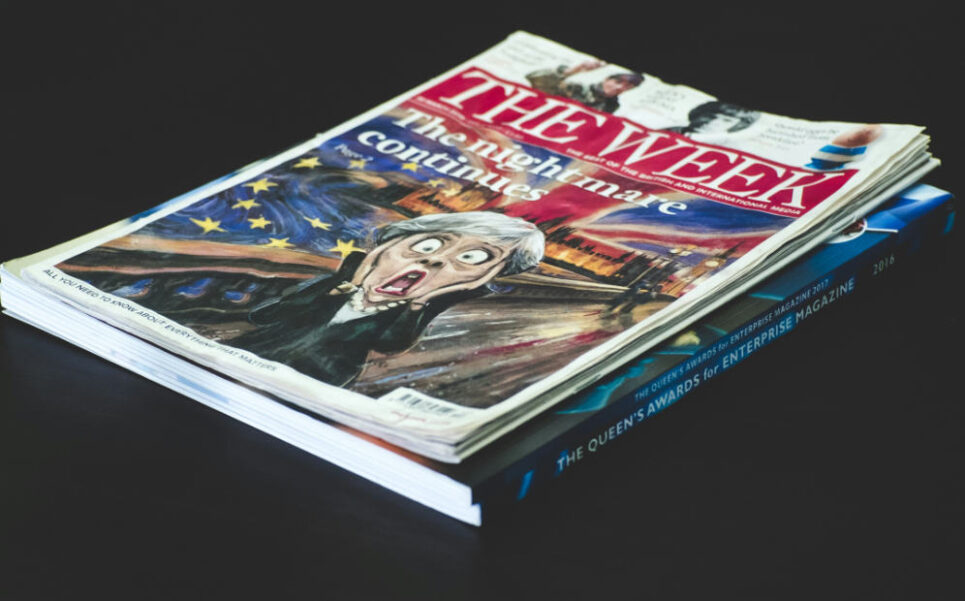
European politics is showing increasing polarization. This phenomenon directly influences European identity.
On one side, movements are questioning supranational integration. On the other hand, forces are defending a united and diverse Europe.
In national elections and parliaments, nationalist parties have gained ground, shifting political balances in several countries.
Leaders like Viktor Orbán (Hungary’s current Prime Minister since 2010, a far-right politician) or Marine Le Pen (French politician and lawyer, widely classified as far-right) prioritize “cultural sovereignty” over migration. This stance reshapes the debate around European identity.
Meanwhile, pro-European movements advocate cooperation and shared rights. They defend diversity as a driver of development.
A clear example occurred in the 2019 elections. Pro-European parties lost their absolute majority.
Eurosceptic groups increased their presence in the European Parliament, leading to more complex negotiations. (European Parliament, 2019)
This fragmentation created a new political landscape. European identity became exposed to a more visible contest.
Polarization is not just a party conflict. It is a confrontation over who defines European identity. The debate no longer focuses solely on concrete policies; it encompasses values, belonging, and the very meaning of the common project.
This polarization shows that European identity is not a fixed concept. It is constantly negotiated among different political projects. While some defend a more integrated Europe, others prioritize national sovereignty and cultural borders. As a result, political debate attempts to define the very meaning of the European project. The central question shifts from who wins elections to how to respond politically to this new reality.
Strategies against polarization
Faced with this fragmented scenario, European political actors must decide how to react. Polarization does not vanish on its own; it requires strategic responses that shape the course of the European project.
Three main approaches emerge: complacency, co-optation, and counterattack. Each represents a different way of managing polarization, while also influencing the construction of European identity.
Complacency means maintaining the status quo, which can be dangerous for European identity.
Many citizens underestimate European elections. Voter turnout is usually lower than in national elections. Yet pro-European parties still achieved a majority in the Parliament. The European People’s Party (EPP) went from 182 to 184 seats.
The Socialists and Democrats (S&D) lost 15 seats, and Renew Europe lost 28 seats.
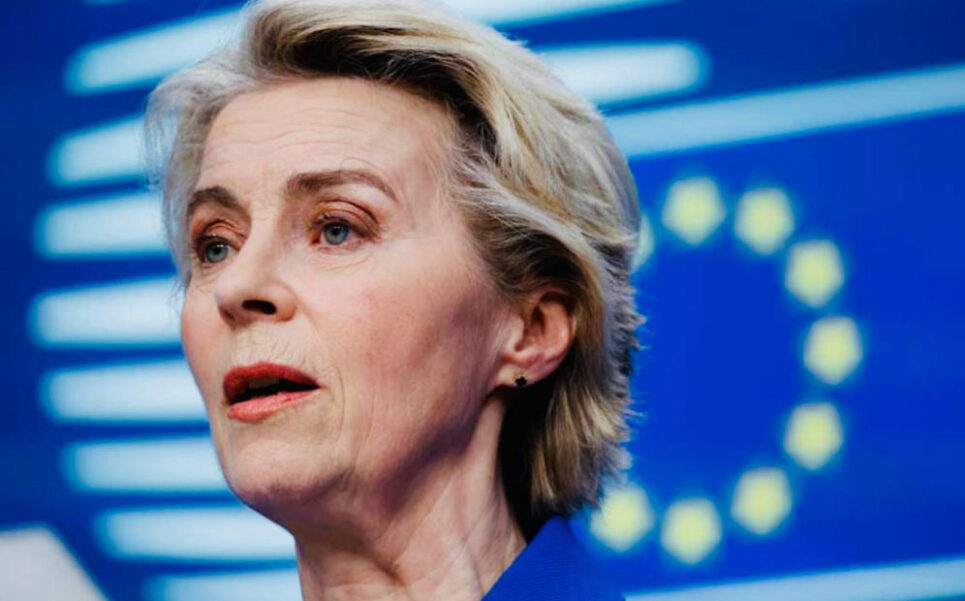
This result left Ursula von der Leyen with a narrow margin for reelection, not guaranteeing a stable pro-European bloc. Complacency can create a false sense of security. Without civic mobilization, European identity is exposed to setbacks.
Co-optation involves bringing radical right forces closer. Some center-right parties adopt stricter migration policies, aiming to integrate the radical right within the European system and reduce direct confrontation.
The logic is pragmatic: moderate, extreme positions from within the institutions. Partial integration seeks to prevent these actors from acting as anti-system forces and to curb their electoral growth.
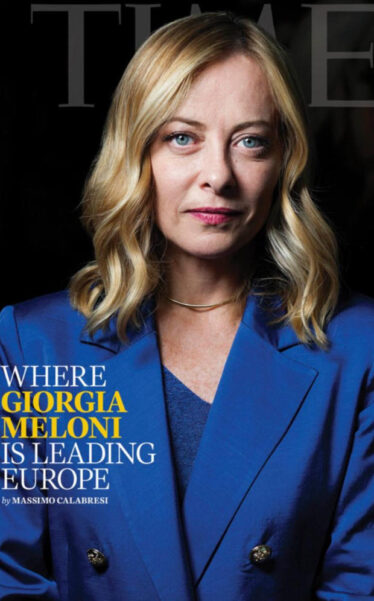
For instance, Giorgia Meloni in Italy has actively worked with EU institutions to improve her profile.
However, this strategy carries significant risks for European identity, as it may normalize exclusionary rhetoric. Parties like Fidesz in Hungary or AfD in Germany illustrate these risks.
Fidesz, led by Viktor Orbán, has governed Hungary since 2010, promoting reforms that weaken judicial independence and limit press freedom.
The European Commission has activated mechanisms over potential rule-of-law violations, generating constant tension with EU institutions.
AfD in Germany emerged as a Eurosceptic party and has adopted harder nationalist positions over time. Some members have been linked to xenophobic discourse, and the party has been monitored by German intelligence in certain federal states.
These examples show that co-optation does not always lead to moderation. Integrating without transformation can weaken core principles of European identity.
Counterattack, on the other hand, means reaffirming democratic values firmly. It involves defending the rule of law without ambiguity, strengthening European institutions, and increasing citizen participation.
The goal is to consolidate a European identity based on rights, pluralism, and cooperation. It is not only about resistance but also about renewing the common project.
Complacency, co-optation, and counterattack represent distinct paths, each shaping the continent’s political future.
Ultimately, European identity is not decided solely in elections; it is also defined by the collective ability to uphold shared values.
Transforming European identity
It is essential to recognize that European identity has never been fixed. It has been built through encounters, migration, and cultural exchange. Today, this process continues, but at a more visible pace.
Cities, universities, and workplaces show how younger generations experience Europe differently. In this context, European identity transforms through daily experiences connecting cultures, languages, and personal trajectories.

European identity is not static; it constantly evolves through social and demographic processes.
Europe has never been a homogeneous block. It has always been a mosaic of cultures, languages, and traditions.
This historical diversity is central to European identity. Internal and external migrations have shaped the continent for centuries.
Today, European identity is redefined daily. Social changes accelerate this transformation.
Young people moving across the Schengen area develop new forms of belonging. Many study in one country and work in another, strengthening transnational ties and weakening rigid national identities.
Multicultural life in cities and schools transforms perceptions of what it means to be European. Every day experiences matter more than political rhetoric.
For example, multicultural neighborhoods in Berlin, Barcelona, or Stockholm show how languages, customs, and cuisines mix. These interactions shape contemporary European identity.
Everyday interactions redefine the sense of belonging. European identity is also constructed in local spaces.
Migration is key to this process. Over 40 million people born outside the EU live in member states, about 9% of the total population, and this number is growing. (Eurostat, 2024)
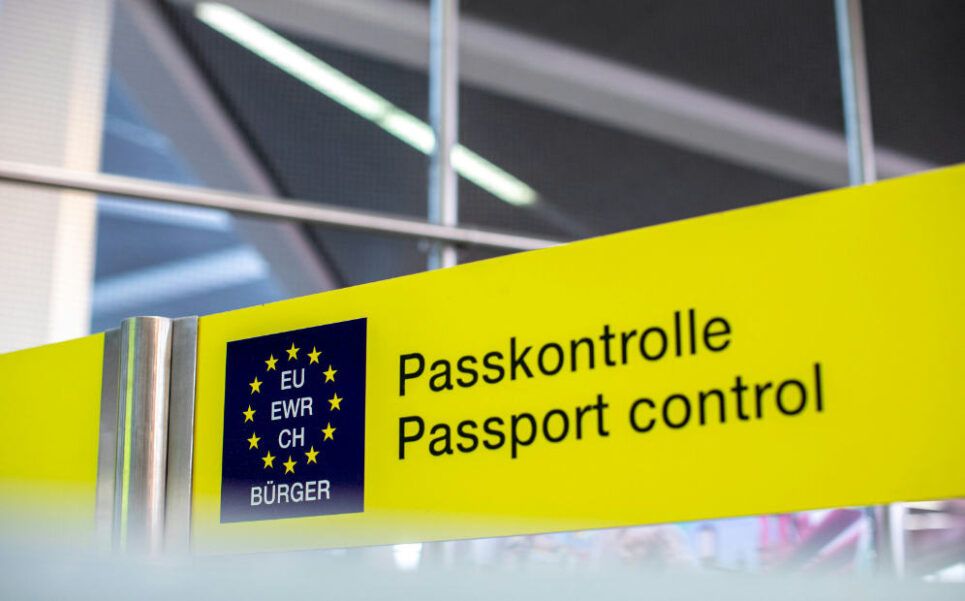
This shows that diversity is not marginal; it is a structural component of modern European identity.
Demographic transformation is not inherently threatening; it is a political and cultural challenge.
European identity depends on how this diversity is managed. Integration or exclusion produces very different outcomes.
The current debate is not only about numbers but about what it truly means to belong to Europe.
Between fragmentation and redefinition
As European society changes, political debate intensifies. Cultural transformations coexist with political tensions questioning the European project.
In this scenario, European identity becomes both a meeting point and a contested field. Different actors attempt to define which values, histories, and future visions should occupy the core of the European narrative.
European identity faces simultaneous political tensions and cultural change. Some sectors aim to reinforce closed national identities, while others defend an open and inclusive European identity.
This tension does not necessarily imply rupture; it can become a space for democratic redefinition. Political fragmentation coexists with social integration practices. European identity has never been uniform; it has always emerged through dialogue among differences.
Today, it is in a particularly visible phase of transformation. Political decisions will influence its future direction.
The central question is no longer whether Europe will change; change is already underway. The question is who defines it and under which values European identity is redefined. The future of the European project depends on this collective response.
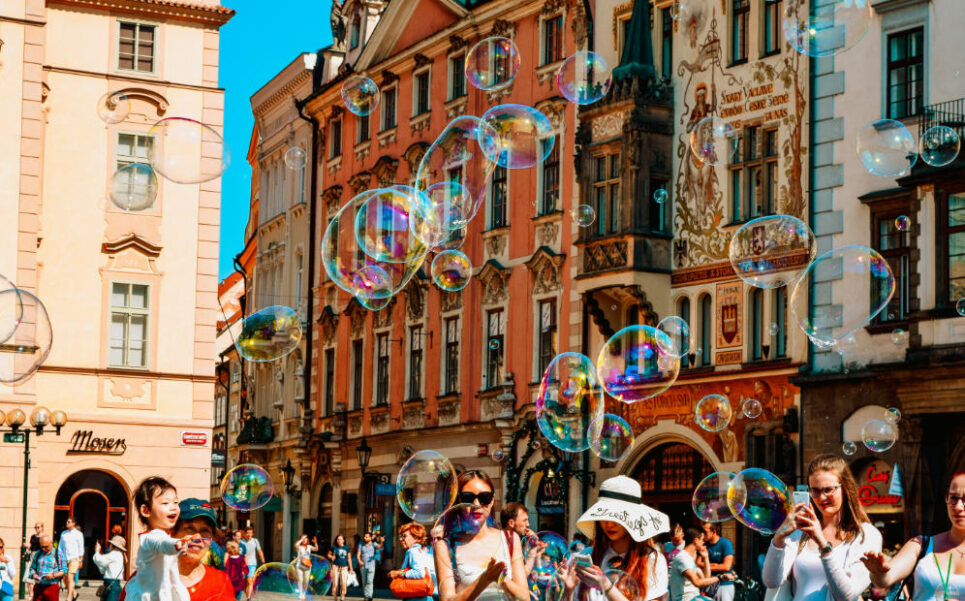
Europe is at a decisive moment. Political fragmentation and social integration advance simultaneously.
European identity does not disappear, nor does it remain intact. It is constantly redefined through public debate, political decisions, and daily coexistence. Ultimately, the continent’s future depends on citizens’ capacity to transform diversity into a common project.
Conclusion: building and living a European identity every day
European identity is not set in stone. It is a dynamic and open process. Political polarization reveals deep internal tensions, while cultural diversity shows significant transformative potential.
Both forces coexist in today’s Europe, forming contemporary European identity.
Defining European identity does not only fall to governments or parliaments; it also depends on citizens, communities, and new generations.
Ultimately, European identity is built in everyday practice, through dialogue, conflict, and coexistence. It is more than a fixed essence; it is a constant negotiation that shapes Europe’s path.