Food is much more than nourishment. It is culture, memory, social connection, and resilience. Our world is marked by inequality and the climate crisis. These problems shape what we eat and give rise to initiatives that seek to transform the way we feed ourselves. Community kitchens and food sovereignty have become spaces where community, sustainability, and education meet, leaving a mark that goes far beyond food.
In cities such as Bogotá, Madrid, and Lisbon, community kitchens and food sovereignty initiatives not only cook nutritious dishes, but also strengthen local networks, create awareness about the origin of food, and promote collaboration among neighbors.
Urban context and relevance of community kitchens
Bogotá, Madrid, and Lisbon are not only notable for their cultural richness but also for their urban and social dimensions.
Bogotá, the Colombian capital, has more than 8 million inhabitants. In addition, it faces a constant flow of floating population exceeding one million daily due to work, study, and urban mobility.
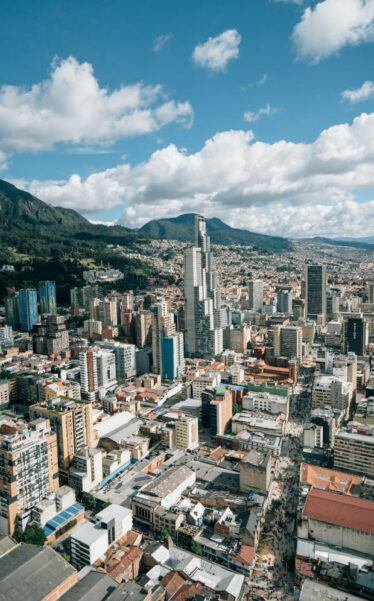
The city spreads over the Bogotá savanna, surrounded by imposing hills that give it a unique landscape.
This context makes community kitchens and food sovereignty essential to serve vulnerable sectors, provide nutritional education, and strengthen social fabric, especially in popular and peripheral neighborhoods.
And the numbers are a bit alarming. In Colombia, around 9.76 million tons of food are wasted every year. This means that nearly 34% of the food produced for consumption goes to waste. In Bogotá alone, the figure reaches 1,228,000 tons, according to the Food and Agriculture Organization of the United Nations (FAO).
Madrid, the Spanish capital, is an impressive city. It has around 3.4 million residents and a floating population exceeding 4 million during peak hours, facing similar challenges.
Like any capital, it faces a wide range of social and economic challenges.
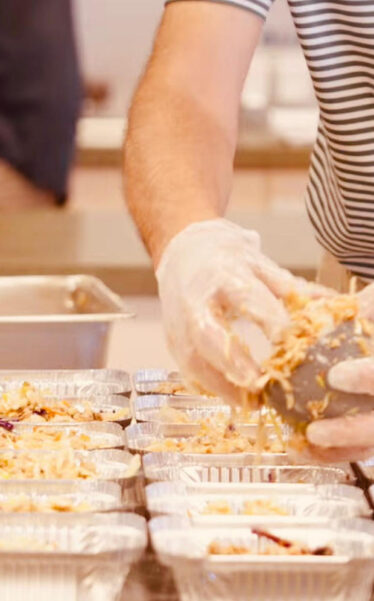
Its community kitchens and food sovereignty programs not only fight food insecurity but have also become spaces for cultural integration.
Here, migrants and neighbors of different nationalities share recipes, knowledge, and experiences, reinforcing coexistence and social inclusion.
The Portuguese capital, Lisbon, although smaller, with about 550,000 inhabitants, receives a large daily flow of tourists and workers.
Its community kitchens and food sovereignty initiatives focus on sustainability and urban innovation.
In them, learning to cook goes hand in hand with learning to care for the planet, cultivating responsible habits and fostering social cohesion in diverse neighborhoods.
In all three cities, community kitchens and food sovereignty are not only responses to basic needs.
They are urban strategies that strengthen resilience, promote inclusion, and educate about responsible consumption. Thanks to them, food becomes a driver of community, solidarity, and social transformation.
The soul of the community kitchen
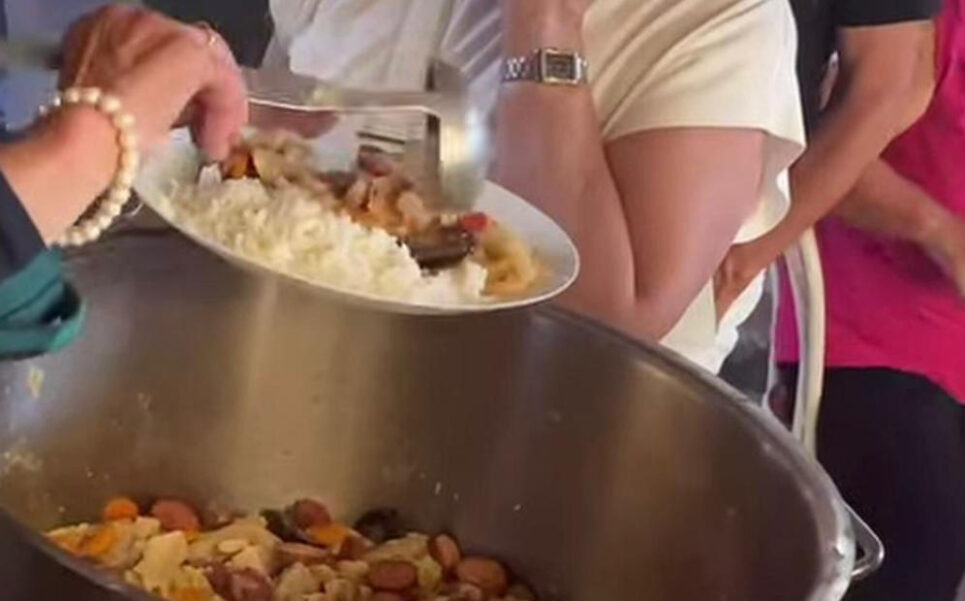
At the heart of every community kitchen and food sovereignty initiative are people. Hundred of volunteers, neighbors, local producers, and diners cross paths in the same space. There, preparing food becomes an act of collective care. The steaming pots and aromas of fresh ingredients mix with conversations that go beyond the recipe, sharing stories, advice, and dreams.
In Bogotá, popular neighborhoods have transformed old communal halls into centers where healthy food is distributed and nutritional education is offered. Workshops teach how to prepare traditional dishes and promote sustainable eating, household economy, and responsible consumption. Every dish served is also a lesson in social awareness.
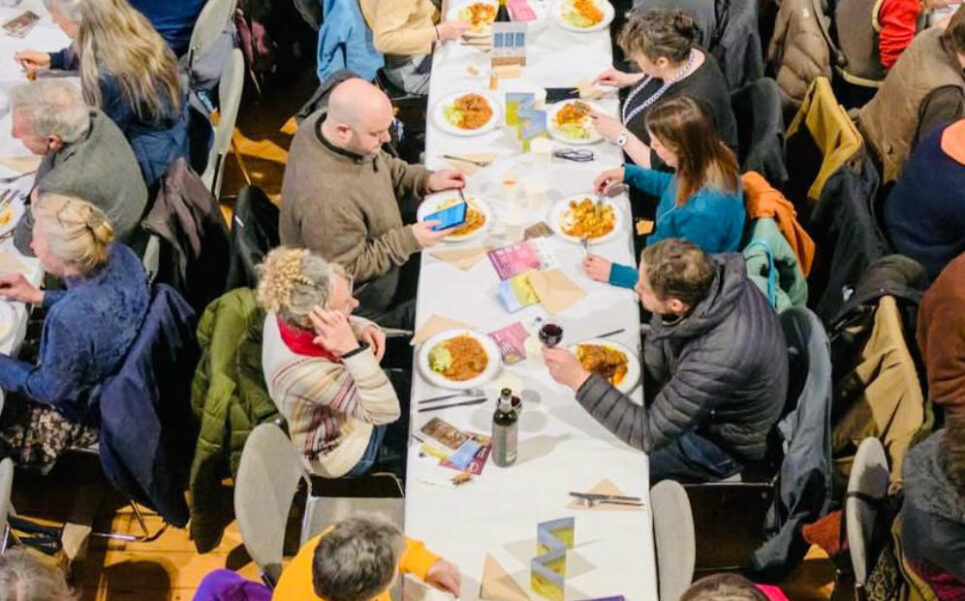
The popular dining rooms managed by the District Secretariat of Social Integration not only provide food; they offer inclusion and support to those who need it most. Initiatives such as the Mupho community pot in Bosa prepare thousands of portions each month for recyclers and people experiencing homelessness, demonstrating that solidarity transforms into food and companionship.
In the Belén neighborhood, CasaB combines cooking with agroecology and training, fostering autonomy and the production of clean food, while also generating community.
At present, Bogotá has 129 community kitchens and popular canteens. These spaces provide meals to people in vulnerable situations.
One of the most recent canteens is the Alaska canteen, which offers 200 spots to provide food assistance to the most vulnerable residents of Usme.
The Alaska canteen was established in an area aimed at reaching those most in need. It’s important to note that two of the three new canteens in Usme (Bolonia and Alaska) are located in rural border areas, helping improve access to social services, food assistance, and community participation among residents in hard-to-reach zones.
With a canteen like this, many beneficiaries are supported. In detail, 15% live in extreme poverty, 50% in moderate poverty, 33% experience food insecurity, and 2% live in temporary housing or on the streets (4 individuals). There is also a high level of participation from children and adolescents.
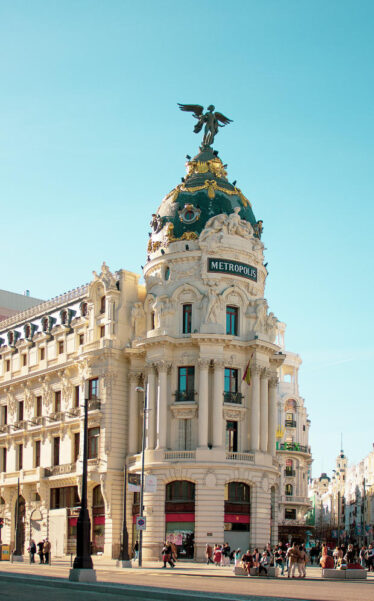
The Spanish capital is a great example. Madrid has turned community kitchens and food sovereignty initiatives into a refuge for migrants and people in vulnerable situations.
Each recipe is a bridge between cultures, and cooking workshops are complemented with language classes, artistic activities, and integration events, promoting social inclusion. Programs like the Healthy, Sustainable, and Intercultural Community Kitchen of the Centro District encourage coexistence while teaching responsible and conscious cooking.
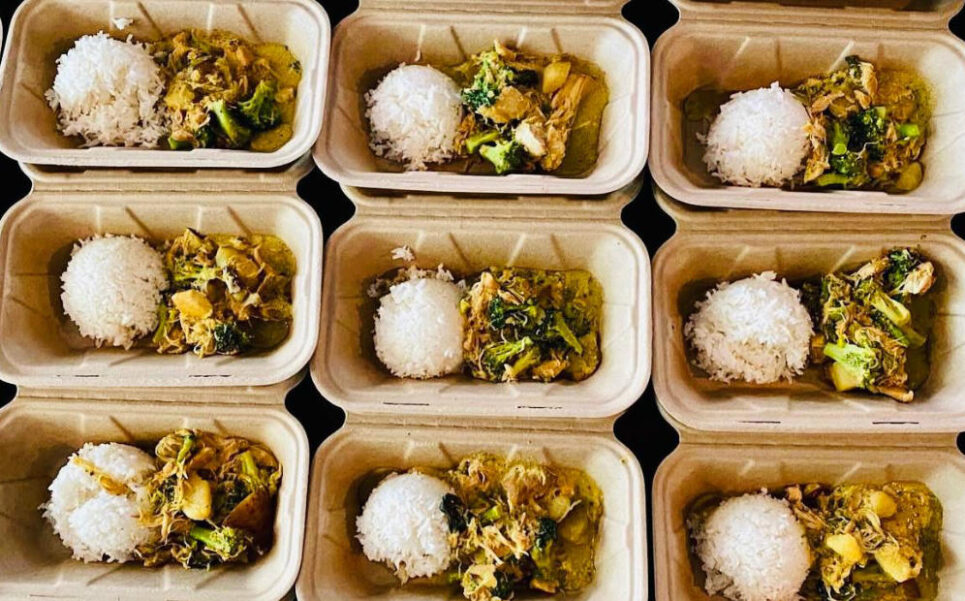
The Community of Madrid manages an Open Network of Social Dining Rooms, which provides daily breakfast, lunch, and dinner services to meet the basic nutritional needs of people in vulnerable situations.
However, the exact number of community kitchens and food sovereignty initiatives in Madrid is not available, as non-governmental organizations and local associations manage many.
The community kitchens guarantee meal service seven days a week, 365 days a year.
The primary goal is to meet basic nutritional needs while also providing spaces for community interaction and opportunities for social and labor inclusion through this type of assistance.
Lisbon combines tradition and modernity. Its community kitchens and food sovereignty programs organize local food fairs, gastronomic gatherings, and urban garden workshops.
In Lisbon, around 400 meals are distributed daily to people in vulnerable situations.
Initiatives such as Cozinha Popular da Mouraria aim to guarantee access to complete and healthy menus, promoting inclusion and community well-being. In Costa da Caparica, the Terras da Costa Community Kitchen integrates diverse communities, strengthening cultural identity and social cohesion through shared food.
In all these cities, community kitchens and food sovereignty are not just places to eat; they are spaces for gathering, learning, and solidarity. Food becomes a bridge that connects people, strengthens the community, and transforms everyday life.
The heart of community kitchens and food sovereignty initiatives is not in the recipe, but in the stories cooked alongside the food, and in the bonds that are strengthened among neighbors, volunteers, and producers.
Challenges and opportunities of community kitchens
Despite their enormous benefits, community kitchens and food sovereignty initiatives face significant challenges. Funding is one of the main obstacles. Most rely on donations, temporary grants, or volunteer work, which limits their reach and puts their long-term sustainability at risk. Additionally, daily logistics require constant planning and collective commitment.
However, these challenges also open opportunities. The need to innovate has led many community kitchens and food sovereignty programs to establish partnerships with local producers, agricultural cooperatives, and sustainable companies.
This approach ensures fresh, high-quality ingredients, strengthens the local economy, and promotes food sovereignty, generating a positive impact beyond the kitchen itself.
In Bogotá, some community kitchens and food sovereignty initiatives have created urban gardens on rooftops and patios, growing vegetables for daily menus. This reduces dependence on large distribution chains and teaches the community to manage their own food resources.
In Madrid, financial challenges have encouraged collaboration between NGOs, local governments, and citizen collectives. Thanks to these alliances, community kitchens and food sovereignty programs expand their reach to peripheral neighborhoods, foster citizen participation, and strengthen education in healthy cooking.
Lisbon has turned obstacles into learning spaces: food recycling workshops, urban composting, and healthy cooking training allow the community to nourish itself while acquiring practical knowledge.
The challenges of community kitchens and food sovereignty are not barriers, but drivers of innovation. Each difficulty inspires creative solutions that strengthen the community and consolidate food sovereignty.
Global perspective and comparison between Bogotá, Madrid, and Lisbon
Although they all share a common goal, each city imprints its unique character on community kitchens and food sovereignty initiatives.
Bogotá, the capital of Colombia, is a metropolis of over 8 million inhabitants, with a daily floating population exceeding one million due to work and study.
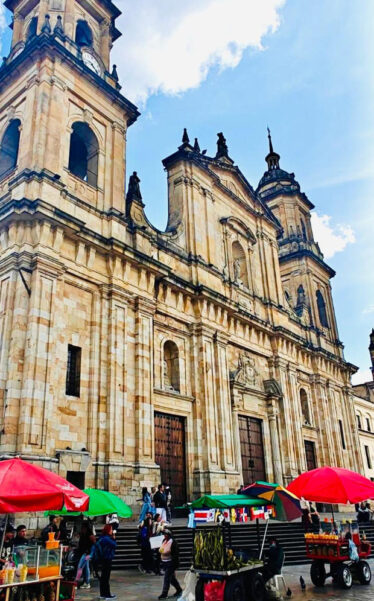
There, they face inequality challenges, especially in peripheral neighborhoods where many families depend on subsidies or social programs. Here, community kitchens and food sovereignty function as learning and social cohesion centers.
They prepare nutritious food and, at the same time, teach healthy cooking, how to make the most of ingredients, and how to reduce waste. Additionally, talks on nutrition, self-care workshops, and educational activities reinforce social integration and generate spaces for neighbors to meet.
In Bogotá, these community kitchens and food sovereignty initiatives not only feed people but also build community and promote resilience against food insecurity.
Madrid, with approximately 3.4 million inhabitants and a floating population exceeding 4 million during working hours, is characterized by its cultural and migratory diversity.
Community kitchens in the Spanish capital have become spaces of integration and social inclusion. Each recipe is a bridge between cultures, and each dish tells a shared story.
Besides teaching healthy cooking, these initiatives include language workshops, artistic activities, and community events that encourage interaction among residents of different nationalities.
In neighborhoods with high concentrations of migrants, community kitchens and food sovereignty are essential to guarantee access to nutritious food, strengthen support networks, and promote interculturality.
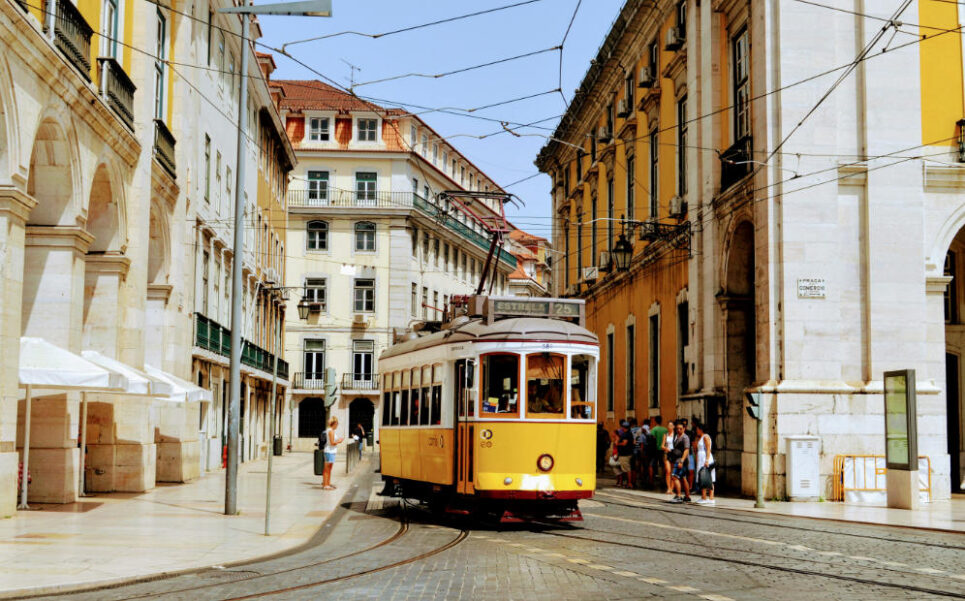
Lisbon, with around 550,000 inhabitants and a constant daily flow of tourists and workers, combines Portuguese tradition with urban innovation. Its community kitchens and food sovereignty programs focus on sustainability, environmental education, and local production.
Urban gardens, gastronomic fairs, and composting workshops turn the city into a living classroom of responsible consumption.
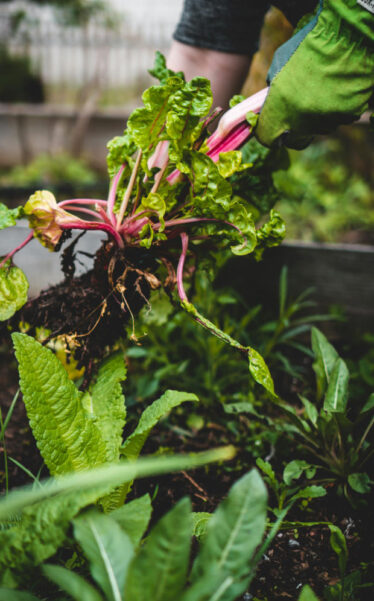
Learning to cook merges with learning to care for the planet. These community kitchens and food sovereignty initiatives not only feed people but also teach circular economy practices, promote the consumption of local products, and raise awareness of the environmental impact of food.
In Lisbon, they are engines of social and ecological innovation, strengthening neighborhood cohesion and promoting sustainable habits from within the community.
The comparison between Bogotá, Madrid, and Lisbon shows that although the social, economic, and cultural contexts differ, the essence of community kitchens and food sovereignty remains intact: strengthening community, educating on responsible habits, and creating spaces for gathering and solidarity.
Each city brings a particular focus — social integration and education in Bogotá, inclusion and interculturality in Madrid, and sustainability and urban innovation in Lisbon — but all demonstrate that community kitchens and food sovereignty are much more than places to eat: they are laboratories of social and environmental change, capable of transforming the lives of neighbors and strengthening urban resilience.
Social and environmental impact
The reach of these initiatives goes far beyond filling stomachs. They generate employment, promote inclusion, strengthen the local economy, and foster community kitchens and food sovereignty. They especially empower women and young people, who coordinate menus and lead educational workshops.

Each kitchen acts as a node of social interaction, where neighbors collaborate, share resources, and support one another.
Bogotá shows tangible transformations: people who previously depended on external aid learn to manage gardens and pass on their knowledge. Madrid and Lisbon replicate this model, with a focus on cultural integration and sustainability.
Community kitchens and food sovereignty are engines of social transformation.
Each dish prepared leaves a mark that strengthens solidarity and community cohesion, demonstrating that food can also be an act of inclusion and education.
The environmental impact of community kitchens and food sovereignty is significant.
They encourage waste reduction through efficient use of food and education on responsible consumption. Prioritizing local and seasonal products reduces the carbon footprint.
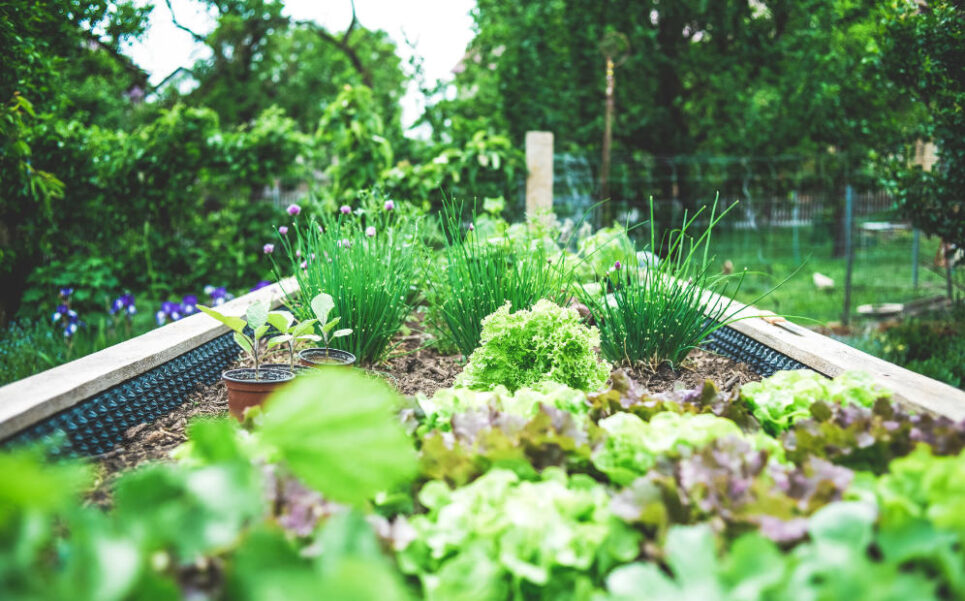
Lisbon has incorporated urban composting and the reuse of leftovers, turning waste into valuable resources. Bogotá and Madrid apply similar strategies, teaching people to see food as a precious resource. Each participant becomes an environmental change agent in their home and community.
Community kitchens and food sovereignty demonstrate that eating well can be a conscious act. Feeding bodies and minds is possible, combining gastronomy and sustainability.
Inspirational conclusion
Community kitchens and food sovereignty demonstrate that sharing food goes far beyond nourishing bodies: it is an act of collective care, education, and empowerment. In Bogotá, Madrid, and Lisbon, these initiatives show how the kitchen can become a space for social transformation, where neighbors, volunteers, and producers connect, learn, and support one another.
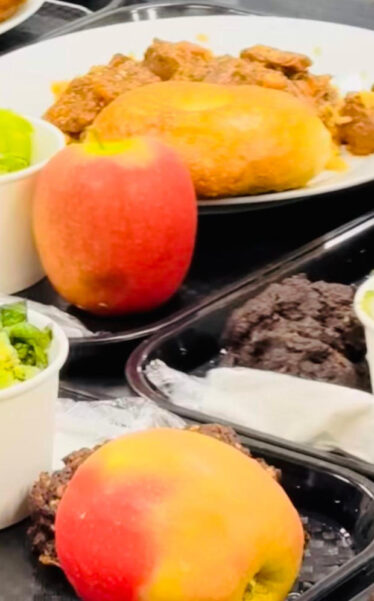
It is important to understand that a “community kitchen” is not a rigid concept. It includes community dining rooms and other similar facilities. In essence, it is a shared space where people can prepare food together, even though its configuration can vary widely.
Each workshop, each dish served, and each recipe shared builds networks of solidarity that transcend food. They also empower women, youth, and vulnerable groups, generating opportunities for leadership and active participation in urban life.
They are laboratories of creativity and learning, spaces where gastronomy meets education, inclusion, and sustainability. They teach us that by sharing a dish, we also share stories, values, and hopes, building a fairer, more sustainable, and connected future for all through community kitchens and food sovereignty.