Historic European cities are much more than stones and monuments. They are spaces where memory, culture, and everyday life intertwine. In many of them, intercultural education in Europe is transforming streets, squares, and museums into true open-air classrooms.
Through educational programs, community workshops, and heritage projects, young people and adults learn together to value cultural diversity and protect the history that inhabits their cities.
This educational approach does not simply transmit knowledge. Intercultural education in Europe also awakens curiosity, empathy, and a sense of belonging.
Responsible Tourism and Intercultural Education in Europe
Before exploring these projects, it is important to understand that not all tourism has the same impact.

In many cases, intercultural education in Europe has become a key tool for transforming the way visitors and communities interact.
Mass tourism concentrates large groups of visitors in the same destinations. Consequently, this can put historic neighborhoods, monuments, and traditions at risk if proper management does not exist.
By contrast, responsible tourism proposes another approach. This approach emphasizes smaller groups and educational experiences that strengthen the bond between visitors and local communities.
The key is to transform a visit into a learning and experience. It is not merely about walking along old streets or taking photographs. Rather, it is about understanding the history that lives in those places.
When travelers participate in cultural workshops, collaborate on heritage projects, or learn from local artisans, the experience changes. The visitor ceases to be a mere observer and becomes an active participant in cultural life.
Dubrovnik: Restoring Heritage While Learning
In the walled city of Dubrovnik, historic heritage is an essential part of daily life. Its medieval walls, built between the 13th and 16th centuries, surround the Old Town for almost two kilometers and are among the best-preserved defensive complexes in Europe.
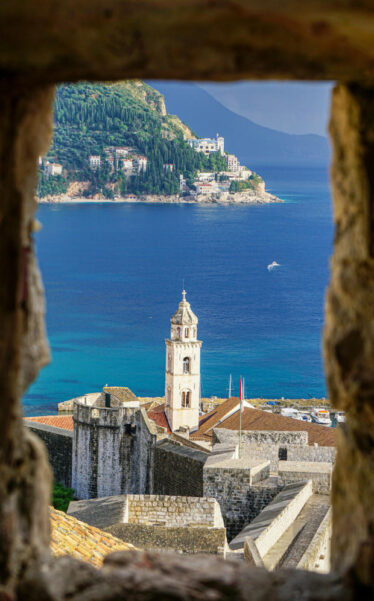
It is important to note that Dubrovnik is located in Croatia. It was a major Mediterranean maritime power from the 13th century onward.
Returning to our main topic, maintaining these structures in good condition requires constant work. Therefore, heritage conservation has also become an educational opportunity.
Organizations such as the Society of Friends of Dubrovnik Antiquities promote conservation programs that combine restoration with training. Many of these projects are developed in collaboration with international initiatives like UNESCO World Heritage Volunteers.
During these workshops, young people from different countries work alongside local restorers. They learn traditional techniques for stone conservation, cleaning historic walls, and architectural documentation.
However, the learning is not only technical. Historians explain how the walls protected the city for centuries and how their preservation continues to be fundamental to Dubrovnik’s identity.
At the end of the programs, many participants present small research projects or exhibitions about the heritage they have studied.
Thus, restoring a wall also becomes a way to learn history and understand the city’s cultural value. In this context, intercultural education in Europe finds an ideal setting in cities like Dubrovnik to connect heritage, learning, and international cooperation.
Salzburg: Music, Culture, and Intercultural Dialogue
Nestled between the Alps and crossed by the Salzach River, Salzburg is a city where history and culture are part of the everyday landscape.
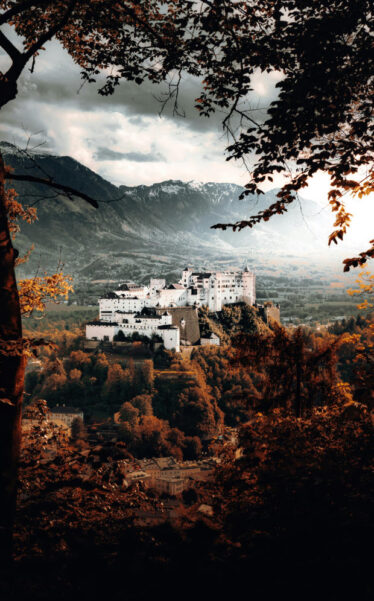
Its Baroque Old Town, a UNESCO World Heritage Site, preserves churches, squares, and palaces that tell the story of centuries of European life.
Internationally known as the birthplace of Wolfgang Amadeus Mozart and home to the prestigious Salzburg Festival, Salzburg has built a cultural identity deeply linked to music, the arts, and intellectual exchange.
Today, this tradition remains alive through educational and cultural projects that invite residents and visitors to participate actively in the city’s artistic and heritage life. Moreover, beyond concerts and festivals, the city has also become a space for intercultural learning.
Institutions such as the Mozarteum Foundation Salzburg develop educational programs that bring classical music closer to students from different countries.
In many of these workshops, participants perform works by Wolfgang Amadeus Mozart, who was born in Salzburg in 1756. Music becomes a common language that allows different cultures to connect.

In addition to music, gastronomy and cultural heritage are also part of the learning experience.
Culinary workshops teach traditional recipes such as apple strudel, while guided visits to museums and historic sites explain the city’s cultural evolution.
Organizations like the Salzburg Global Seminar also promote international gatherings dedicated to cultural dialogue.
These initiatives demonstrate that heritage is not only preserved in museums.
It is also transmitted through experience, art, and interaction among people from different places.
Through these experiences, intercultural education in Europe shows that art and music can become powerful tools for cultural dialogue.
Protecting Cultural Heritage
Caring for cultural heritage involves much more than restoring old buildings. It means preserving stories, traditions, and ways of life that have given cities their identity for centuries. In Europe, many educational initiatives start precisely from this idea: heritage is not just the past; it is a tool for understanding the present and building the future.
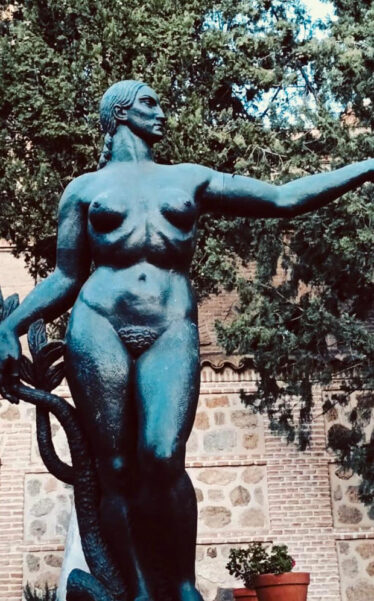
Sociologist Maurice Halbwachs defined this phenomenon as collective memory. It refers to the memories that a society decides to preserve and transmit to new generations. Monuments, squares, churches, markets, and historic streets thus become spaces where that memory remains alive.
Moreover, intercultural education in Europe plays a key role in this process. Through workshops, school programs, and community projects, students learn that heritage does not belong solely to historians or specialists. It also belongs to those who live in the cities and to those who visit them.
Therefore, many European cities have begun integrating heritage conservation into educational programs. Participants not only study history in books. They also research archives, document buildings, learn traditional restoration techniques, or converse with older residents who pass down stories from the past.
These types of initiatives transform the way history is learned. Heritage ceases to be a distant object and becomes a participatory experience.
The following cities demonstrate how this educational approach is generating real impact across Europe.
Toledo: Learning History in the City of Three Cultures
Situated on a hill and surrounded by the Tagus River, Toledo is one of Europe’s most emblematic historic cities.
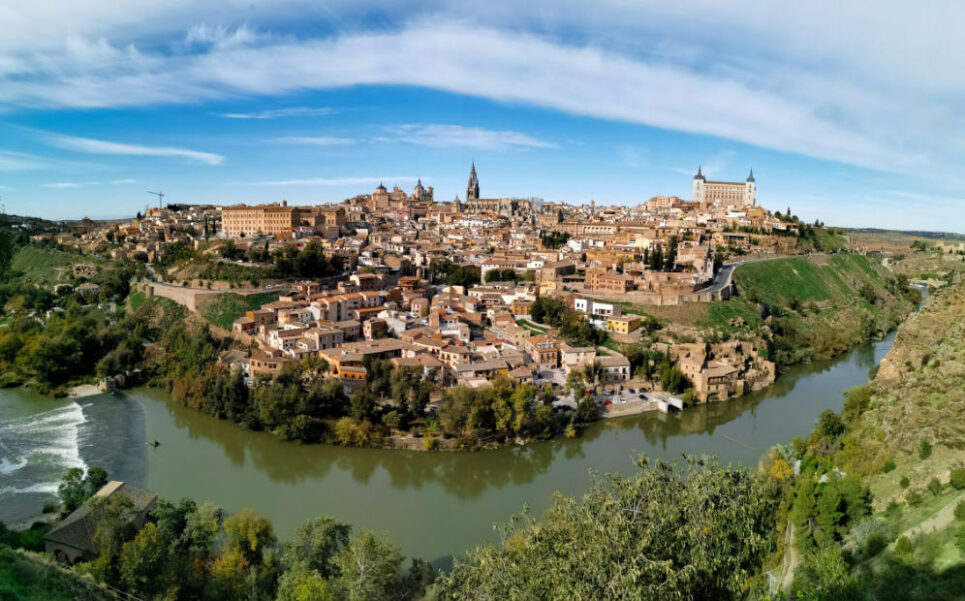
Moreover, its network of medieval streets, synagogues, churches, and ancient mosques reflects centuries of coexistence among Christian, Jewish, and Muslim cultures. This legacy has earned it recognition as a UNESCO World Heritage Site.
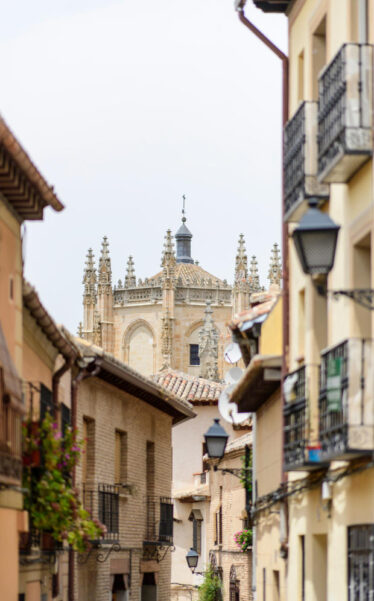
Indeed, known as the “city of three cultures,” Toledo is now a space where history becomes an educational tool that allows exploration of cultural diversity and understanding of how different communities have contributed to building European identity. Toledo has been a meeting point for cultures for centuries.
Today, that historical diversity has become an educational tool. For example, one of the most representative programs is Tres Culturas: Spanish in Toledo, developed by the University of Castilla-La Mancha in collaboration with the Instituto Cervantes.
This project combines Spanish language courses with cultural activities and historical tours throughout the city. During these programs, participants visit medieval synagogues, mosques, and monasteries while exploring how different communities coexisted in the city over centuries.
In addition, institutions such as the Royal Foundation of Toledo promote research and heritage conservation programs.
In many educational workshops, students participate in historical documentation projects or learn basic restoration techniques.
As a result, the city becomes an open classroom where history is learned while walking, and intercultural education in Europe comes alive through heritage.
Ghent: Urban Heritage and Citizen Participation
Crossed by canals and marked by carefully preserved medieval architecture, Ghent is a city where historic heritage coexists with a vibrant contemporary cultural life.
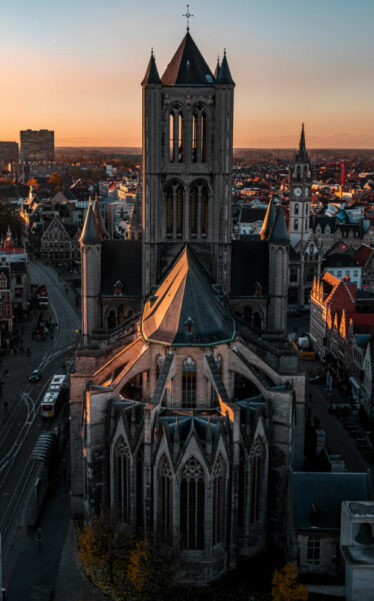
First, it is worth mentioning that during the Middle Ages, it was one of Europe’s most important commercial centers. Today, its historic center still reflects that wealth through Gothic towers, historic squares, and old port warehouses.
Consequently, this environment has turned Ghent into an urban laboratory where education, culture, and citizen participation combine to bring history closer to new generations and foster a more active relationship with the city’s heritage.
In particular, urban heritage in Ghent has become an educational tool that connects generations and communities.
Furthermore, the city has numerous educational projects led by STAM – Ghent City Museum, a museum dedicated to the city’s history. Through interactive workshops, students analyze historic maps, research old buildings, and study how medieval canals influenced urban development.
Moreover, many programs include cultural documentation activities. Young people interview older residents, collect local stories, and photograph changes in the urban landscape. As a result, these projects foster a deeper understanding of the city.
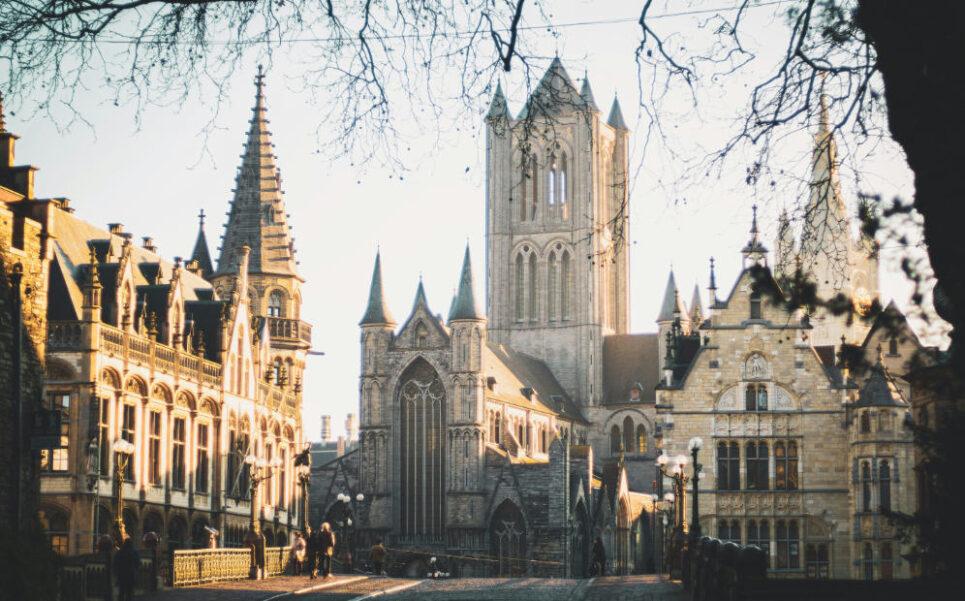
Students discover that heritage is not only ancient architecture but also the stories and experiences of those who have lived there.
By involving different generations, these initiatives strengthen the link between community, history, and education. Thus, this educational approach demonstrates how intercultural education in Europe can strengthen the relationship between citizenship, historical memory, and cultural participation.
Communities Reinventing Their Economy
It is important to note that intercultural education in Europe not only protects heritage but can also drive new forms of local economic development. When culture, creativity, and entrepreneurship combine, opportunities arise for entire communities.
For instance, in Bologna, educational projects led by the Fondazione Golinelli support initiatives that connect innovation and traditional craftsmanship. Young entrepreneurs develop products that blend traditional Italian techniques with contemporary design.
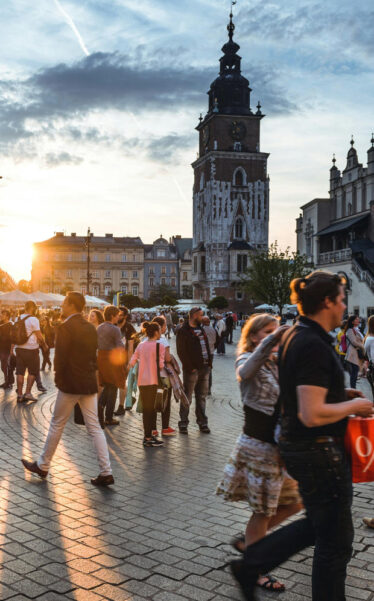
Similarly, in Kraków, the International Cultural Centre in Kraków promotes educational programs on European heritage and sustainable tourism. These programs include traditional culinary workshops, guided historical tours, and training for cultural entrepreneurs.
Therefore, the city becomes a laboratory where history, responsible tourism, and the creative economy intersect.
European Identity as a Shared Experience
Talking about European identity often brings to mind maps, political treaties, or international institutions. However, in daily life, the identity of a continent is built differently: in the streets of its cities, through cultural exchanges, and in the experiences people share.
In fact, Europe is not just a set of monuments or ancient cities. It is also a network of stories, traditions, and encounters that have woven a shared memory over centuries.
European identity is constructed through daily coexistence, respect for diversity, and mutual learning between generations and cultures. Furthermore, each language, each tradition, and each community contributes a piece to the cultural mosaic that characterizes the continent.
Moreover, intercultural education in Europe plays a fundamental role in this process. Through educational programs, cultural festivals, and community projects, young people and adults discover that European heritage is not static or distant. It is a living reality that transforms with each generation.
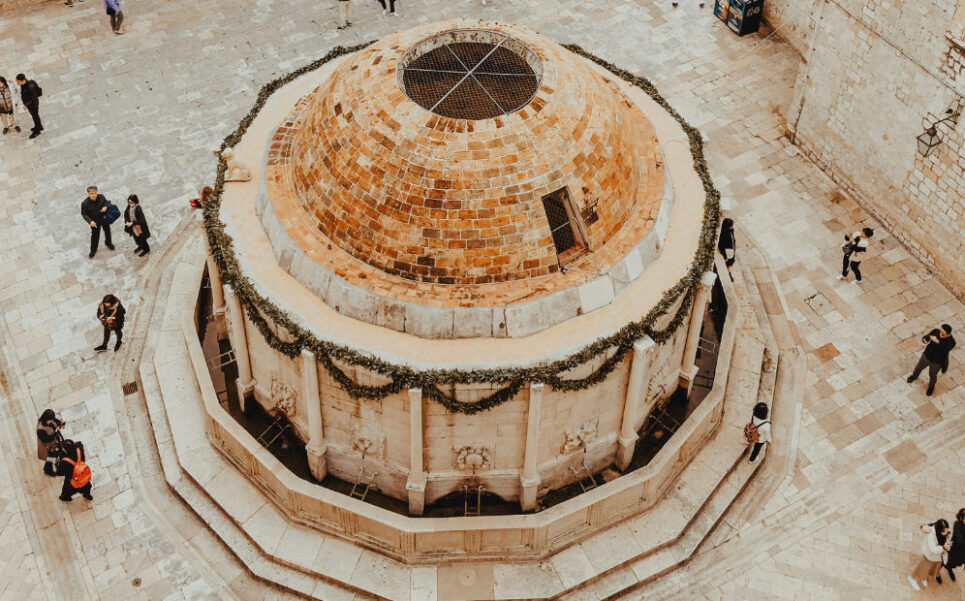
For example, in historic cities such as Toledo, Ghent, Salzburg, and Dubrovnik, many of these programs invite participants to experience history directly. Students explore historic neighborhoods, participate in workshops with local artisans, or investigate archives and traditions passed down by previous generations.
These experiences make it clear that European identity emerges not only from the past but also from cultural interaction. When people from different countries collaborate on educational or cultural projects, spaces for dialogue are created where diversity becomes a source of learning.
Specifically, festivals, artistic workshops, and community projects reinforce this idea. In them, music, gastronomy, craftsmanship, or architecture act as shared languages connecting different cultural realities.
Therefore, visitors cease to be passive observers. They become active participants in a story that continues to unfold.
In addition, understanding European identity as a shared experience allows us to view heritage from a broader perspective. It is not just about conserving buildings or traditions. It is about keeping alive a culture nourished by encounters among people, generations, and communities.
In this ongoing dialogue between past and present, European identity continues to evolve. Consequently, it does so precisely where history is lived, shared, and transformed every day.
Conclusion: Intercultural Education as a Driver of Transformation
The experiences of cities such as Toledo, Dubrovnik, Salzburg, Ghent, Bologna, and Kraków demonstrate that intercultural education in Europe can profoundly transform the way we live and understand our cities.
When learning is connected to heritage, history ceases to be a distant memory. It becomes a living experience transmitted through workshops, conversations, community projects, and encounters among cultures.
At the same time, responsible tourism also plays a fundamental role in this process. When visitors actively participate in a city’s cultural life, they cease to be mere spectators. They become allies in heritage protection and in building more conscious and sustainable communities.
Furthermore, these projects show that intercultural education in Europe can drive new economic opportunities. Initiatives related to craftsmanship, gastronomy, music, or heritage generate local employment and strengthen community creativity.
Yet, perhaps the deepest impact of these projects is less visible. Every shared workshop, documented story, and transmitted tradition contributes to something greater: the construction of a European identity based on respect, dialogue, and cooperation.
Europe is defined not only by its monuments or museums. In other words, it is defined by the people who inhabit its cities, the stories they share, and their ability to learn from one another.
Consequently, when young people restore historic walls in Dubrovnik, when students explore cultural coexistence in Toledo, or when international musicians perform Mozart in Salzburg, something else happens. Heritage is not only preserved—it also builds bridges between generations, communities, and countries.
As a result, in that meeting between past and present, between visitors and residents, history stops being something we observe from afar. It becomes something we live. Indeed, it is precisely there that intercultural education in Europe leaves its deepest mark: in cities that continue to breathe memory, creativity, and diversity, and in people who learn to recognize that cultural heritage belongs not only to the past but also to the future we build together.